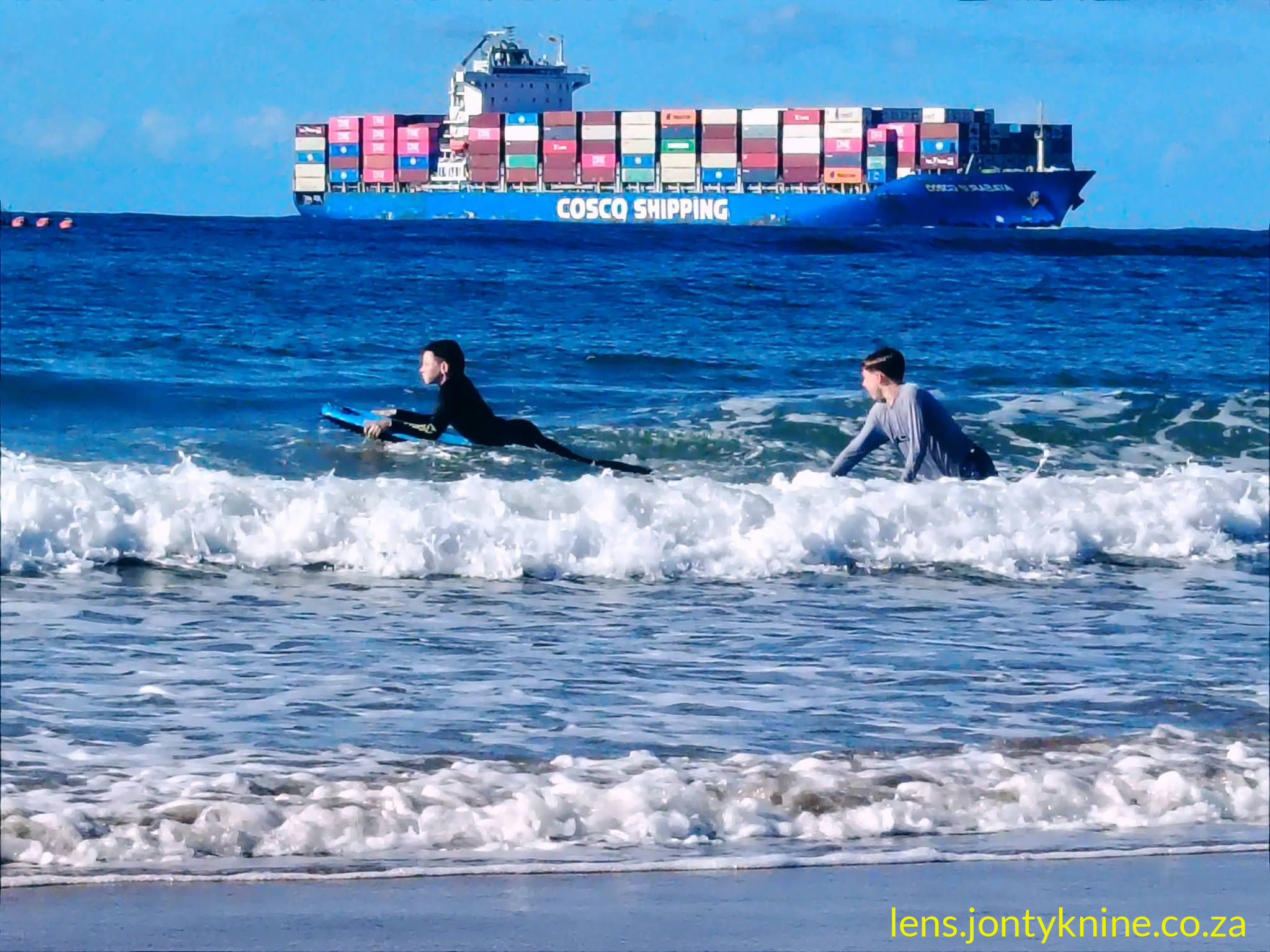


Durban Beach refers primarily to the iconic stretch of coastline in Durban (eThekwini), KwaZulu-Natal, South Africa, centered on the famous Golden Mile (also called “The Mile”). This is one of South Africa’s most popular urban beach destinations, known for its long stretches of golden sand, warm Indian Ocean waters, year-round swimming potential, surfing culture, and a lively promenade packed with activities, amenities, and attractions.
The Golden Mile and Key Beaches
The Golden Mile runs roughly from uShaka Beach (near the Point Waterfront and harbour mouth, home to uShaka Marine World) in the south to the area near Suncoast Casino in the north. It is often described as stretching about 6–8.5 km (or more when including connected areas), with a wide, multi-use promenade ideal for walking, jogging, cycling, and people-watching. The beachfront was significantly upgraded for the 2010 FIFA World Cup, creating a broad, modern boardwalk.
Key sections and nearby beaches include:
- South Beach / uShaka Beach / Addington Beach: Family-oriented, adjacent to the major marine theme park and aquarium. Good for swimming, beginners learning to surf, and easy access to shops, restaurants, and rides. Protected by shark nets and lifeguards.
- North Beach, Dairy Beach, Bay of Plenty: Heart of the urban surf scene. Consistent waves suitable for intermediates and longboarders; bodyboarding and swimming are popular with families. Features include sunken gardens, an amphitheatre, a giant picture frame for photos, and a skate park.
- Battery Beach, Snake Park, Country Club, Pirates: Mix of swimming and surfing spots. Some sections favour surfers or kiteboarders; conditions vary with swell and tide.
- Northern extensions (e.g., Umhlanga Main Beach, further up the North Coast): More upscale, with the iconic red-and-white Umhlanga Lighthouse, Whalebone Pier, luxury hotels, restaurants, and a cleaner, more polished promenade vibe. Often Blue Flag status.
- Southern and other spots (e.g., Ansteys Beach on the Bluff, Thompson’s Bay further north, or quieter stretches toward Blue Lagoon): Can offer more tranquility, rock pools, or different surf. Some northern undeveloped stretches between Blue Lagoon and Snake Park are noted as relatively quieter.
The sand is golden and generally clean on the main managed beaches. Piers divide sections and provide fishing spots or viewpoints.
Climate, Water, and Best Times
Durban has a subtropical climate, making it a true year-round beach destination—unlike colder Cape Town waters.
- Air temperatures: Mild winters (June–August) with daytime highs often around 20–25°C and cooler nights; hot, humid summers (November–March) with highs in the mid-to-high 20s or above, plus afternoon thunderstorms.
- Sea water temperatures: Comfortably warm year-round. Summer averages around 24–28°C; winter (including August) typically averages about 21°C (range roughly 19–22.5°C historically), still suitable for swimming without a full wetsuit for most people (a thin springsuit may suit longer sessions).
- Current context (early August 2026): Winter conditions prevail—pleasant for walks and surfing, with water still swimmable. Recent water quality reports show the vast majority of monitored beaches open and meeting recreational standards (excellent or acceptable E. coli levels), with lifeguards on duty roughly 06:00–18:30. A few may close temporarily for precautionary water quality reasons; always check the latest eThekwini Municipality updates. Swell can be present for surfing.
Peak crowds hit during South African school holidays, especially December–January (festive season can see hundreds of thousands of visitors and strong economic activity) and June–July. Shoulder seasons (April–May, September–October) or weekday mornings offer a more relaxed experience. Early mornings on the promenade are particularly pleasant for exercise, with good security presence.
Activities and Attractions
Beyond swimming and sunbathing:
- Surfing and water sports — Durban is a historic South African surf hub (home to legends and consistent beachbreaks). Spots like New Pier, North Beach, and further afield (Cave Rock, Ansteys) attract intermediate to advanced surfers. Lessons and rentals are available; bodyboarding and paddle sports are common. Shark nets + drumlines (maintained by the KwaZulu-Natal Sharks Board since the mid-20th century) plus lifeguards make managed beaches among the safer for shark-protected surfing worldwide.
- Promenade pursuits — Jogging/cycling (one of the best urban runs), skating, people-watching, street vendors selling crafts and snacks, Zulu cultural performances at times.
- uShaka Marine World — Major draw at the southern end: aquarium (one of the largest in the Southern Hemisphere, with a notable shark tank restaurant), water park, animal shows, and dining.
- Other nearby — Suncoast Casino, Moses Mabhida Stadium (with its iconic arch), Mini Town, Blue Lagoon for picnics/fishing, and easy links to broader Durban attractions (Indian cuisine/bunny chow culture, markets, heritage sites).
- Family options include tidal pools, kids’ play areas, bike/Segway rentals, and gondola-style rides in places.
Dog-friendly sections exist (leashed in designated zones on some beaches and the promenade).
History and Context
The beachfront evolved from a more rustic “Back Beach” / Oceans Beach area in the early 1900s (dunes cleared around 1906, early hotels appearing). It developed as a major seaside resort, with the “Golden Mile” nickname emerging mid-20th century amid hotel and apartment growth (especially 1950s–1970s boom). It has long been a domestic holiday favourite, particularly for visitors from inland Gauteng. Redevelopment for the 2010 World Cup modernised the promenade and surrounds. The area reflects Durban’s multicultural character (Zulu heritage, Indian influences, diverse beach users).
Safety, Practical Tips, and Considerations
- Swim only in designated, lifeguarded areas between the flags. Heed warnings, avoid swimming after heavy rain (runoff can affect water quality temporarily), and respect currents/riptides.
- Shark nets significantly reduce risk but do not eliminate it entirely—stay aware.
- Keep valuables secure; petty crime can occur in busier urban areas (common-sense precautions apply, as in many cities). The promenade is generally well-patrolled, especially mornings.
- Facilities: Changing rooms, showers, food stalls, restaurants, and parking along the parade roads (Snell Parade, O.R. Tambo/Marine Parade, Erskine Terrace).
- Accessibility: Central location near the CBD makes it easy to reach; public transport, rideshares, or walking from many hotels work well.
- Crowds and vibe: Energetic and mixed (families, surfers, locals, tourists). Quieter alternatives exist further north or south if you prefer less density.
Durban’s beaches stand out for combining urban convenience, warm water, strong safety infrastructure (lifeguards + nets), and a genuine South African coastal energy. Whether you’re after a family day at uShaka, a surf session, a long promenade walk at sunrise, or simply golden sand and Indian Ocean waves, the Golden Mile and surrounding coastline deliver a classic subtropical beach experience. For the absolute latest water quality, weather, or event details, check official eThekwini or tourism sources, as conditions can change.