



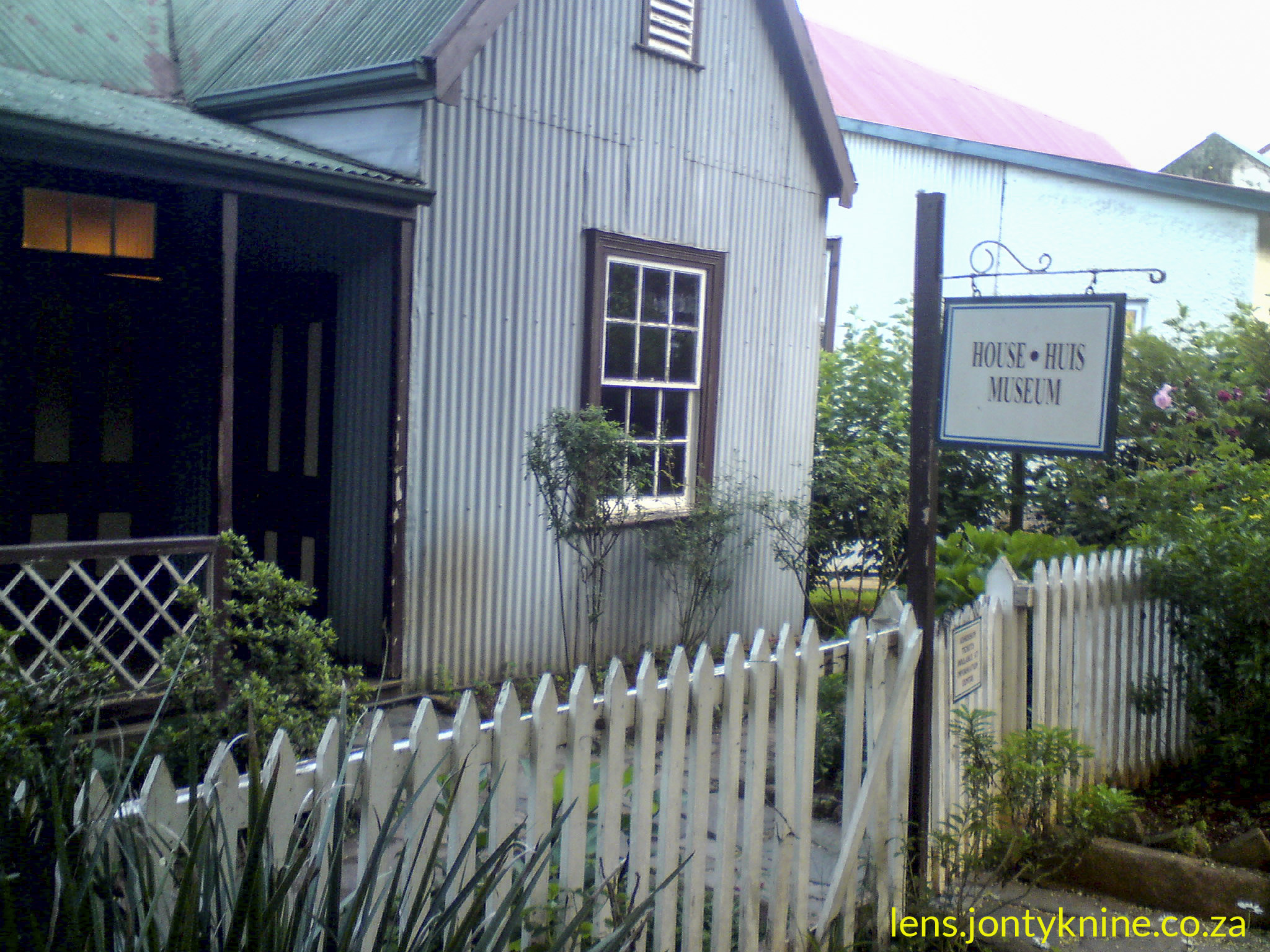
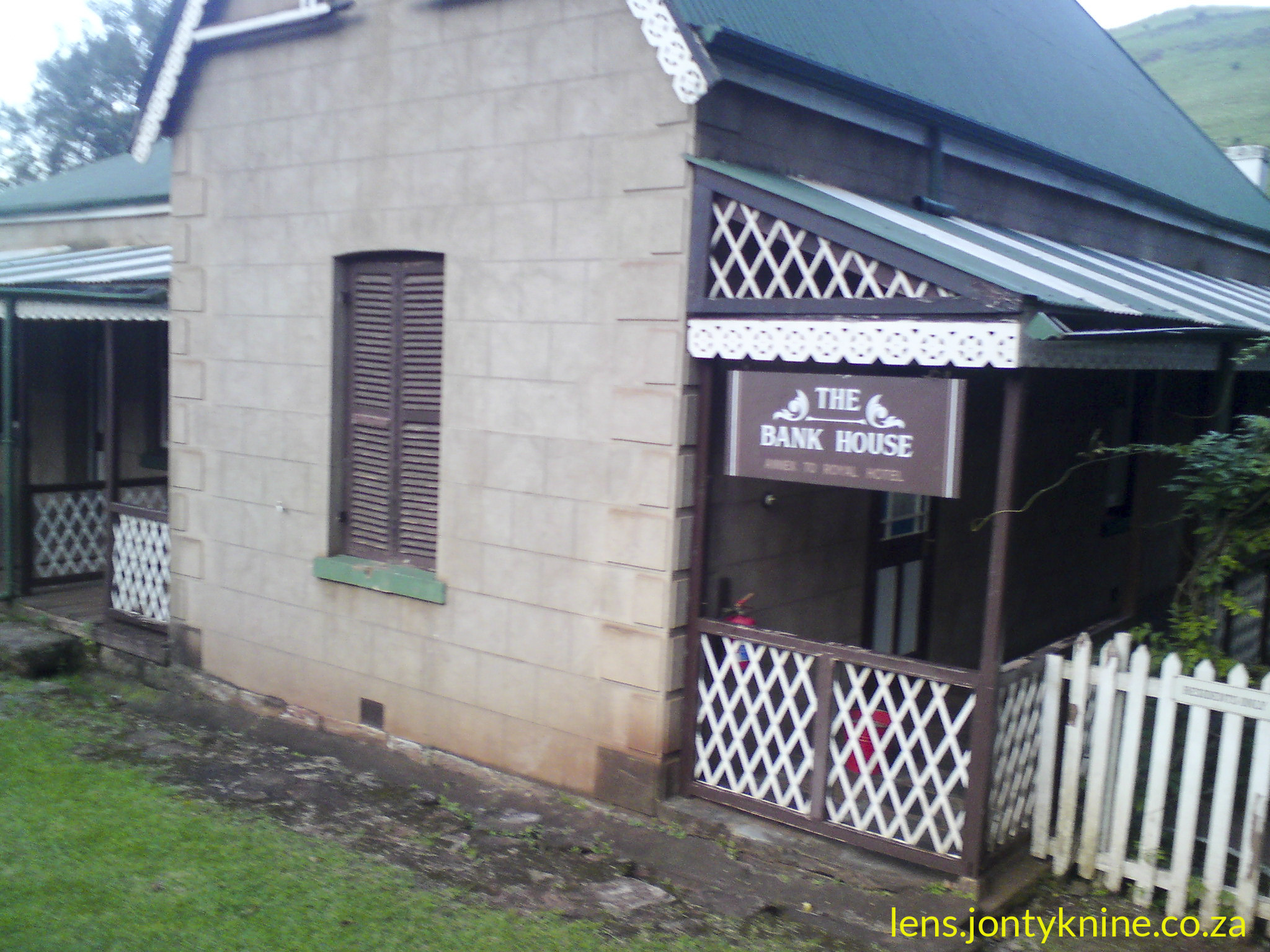
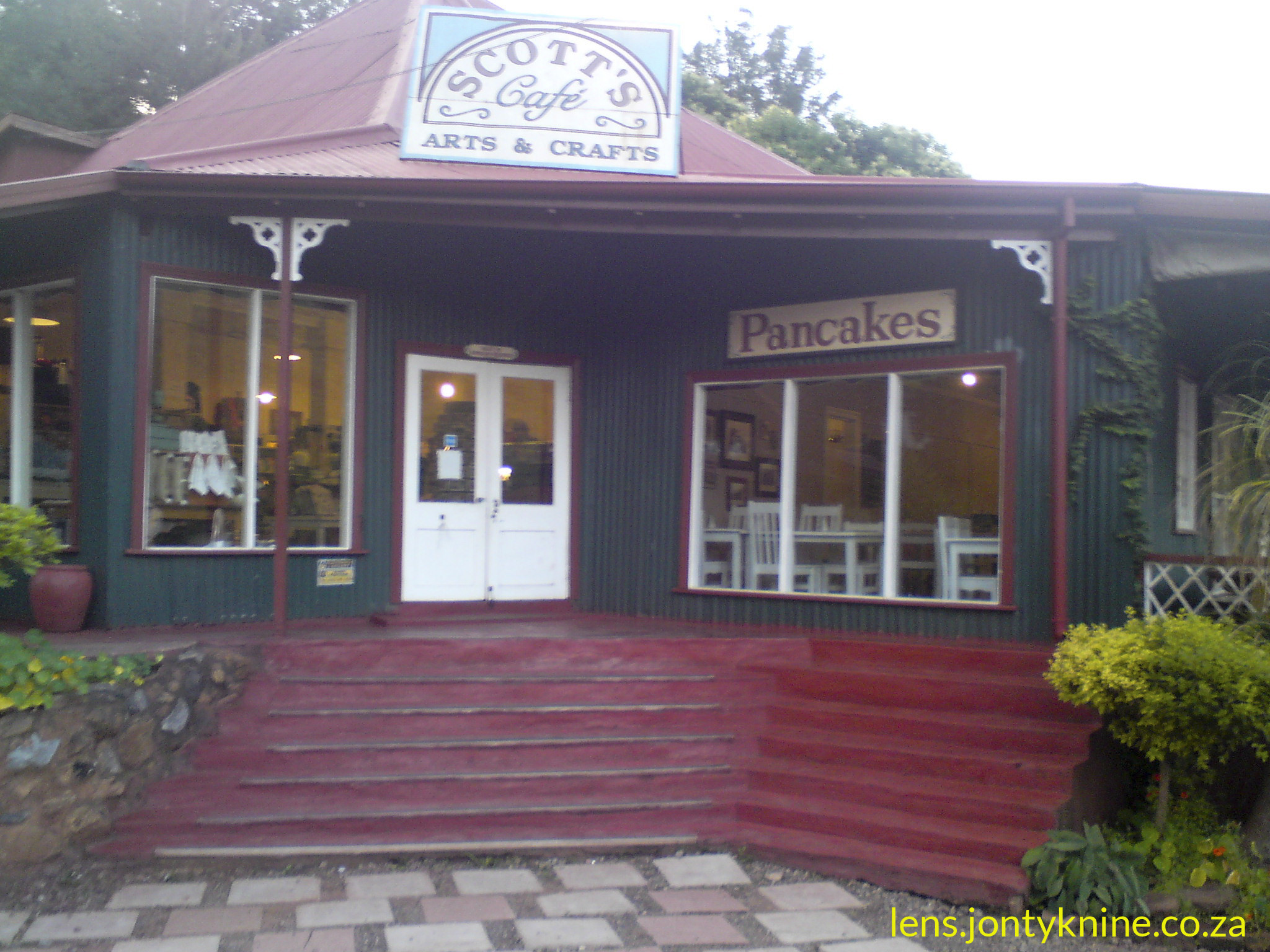
Pilgrim’s Rest (Afrikaans: Pelgrimsrus) is a small, well-preserved historic gold-rush village in Mpumalanga province, South Africa, on the Panorama Route / eastern escarpment.
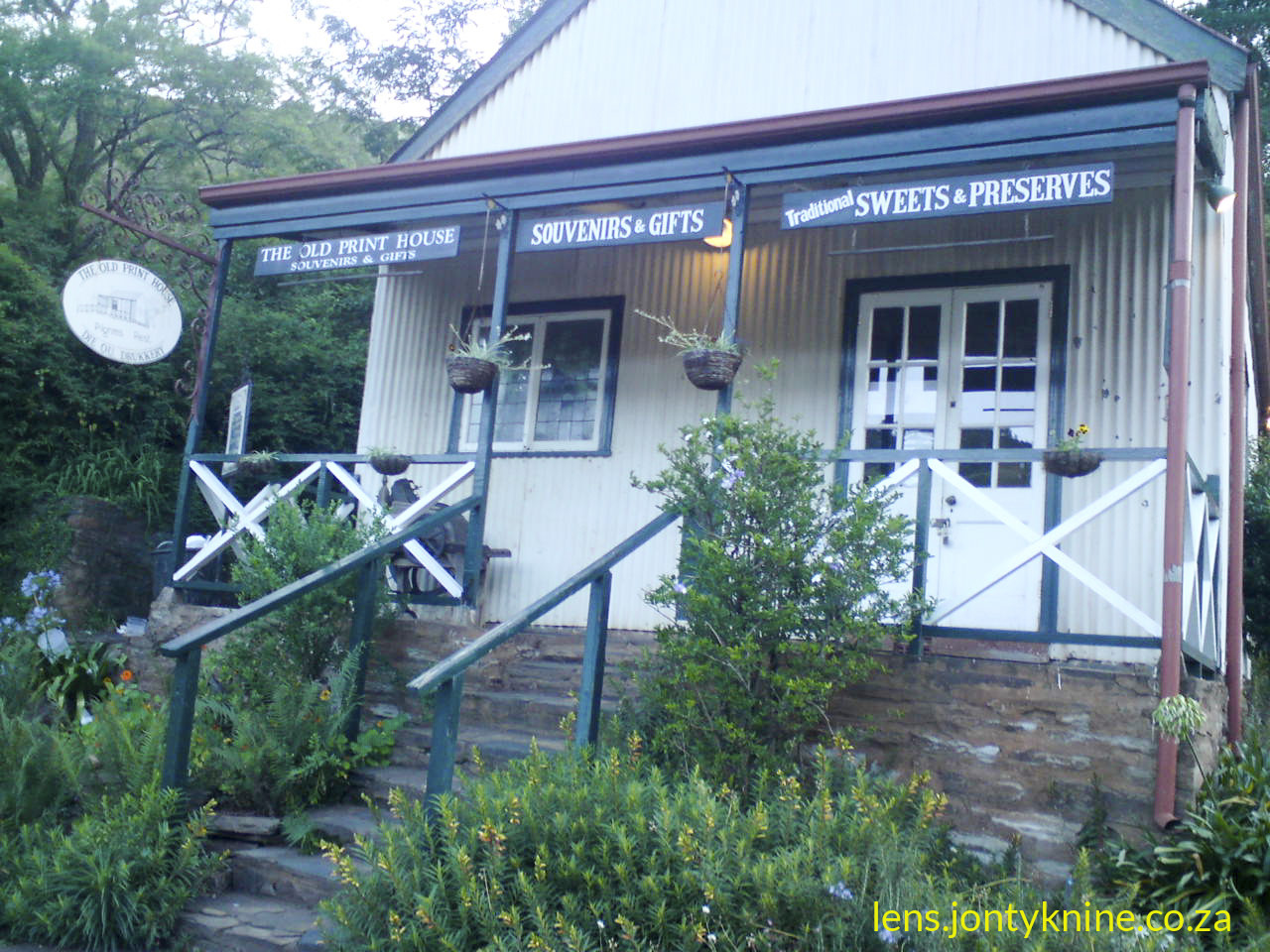
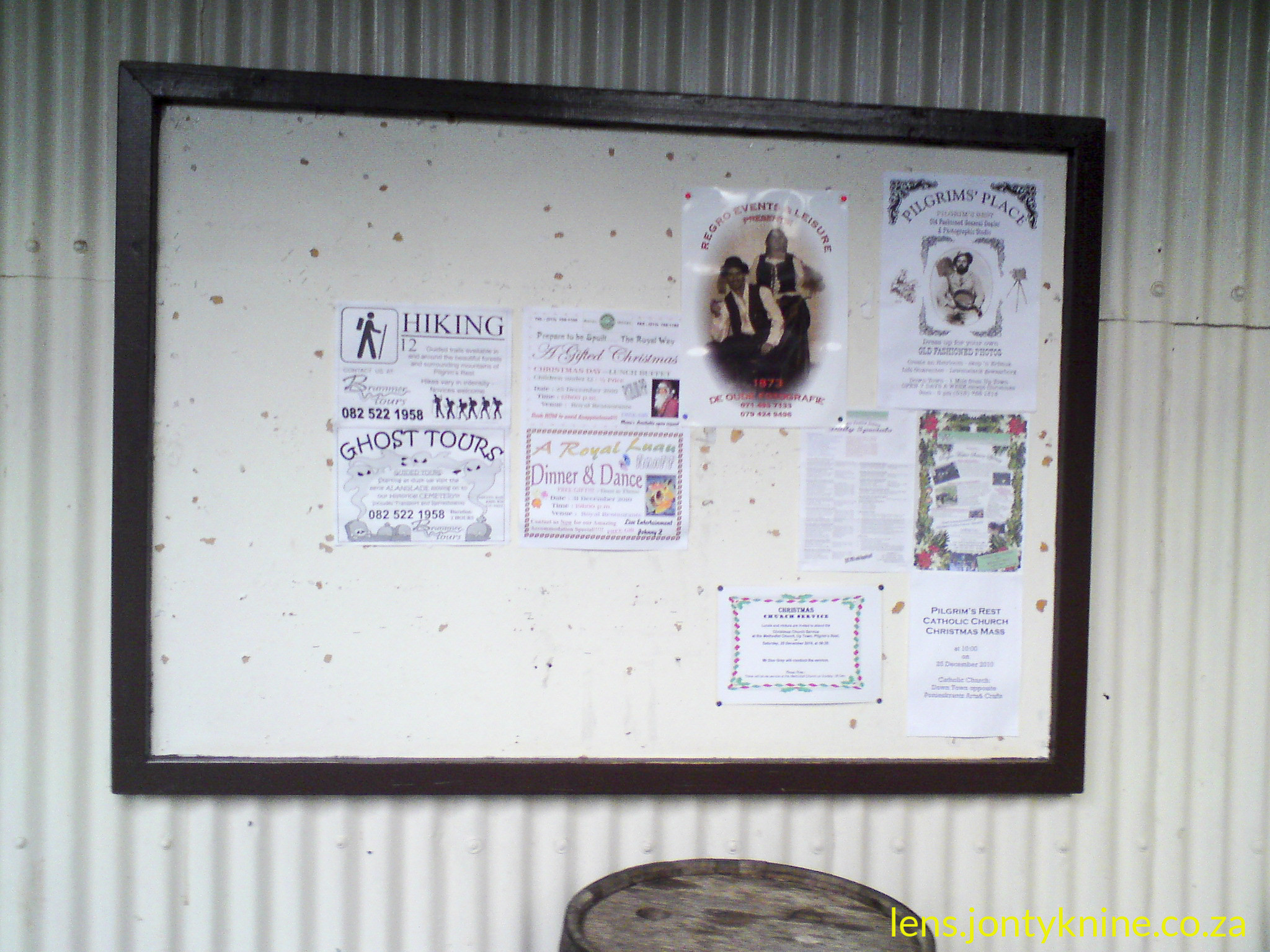
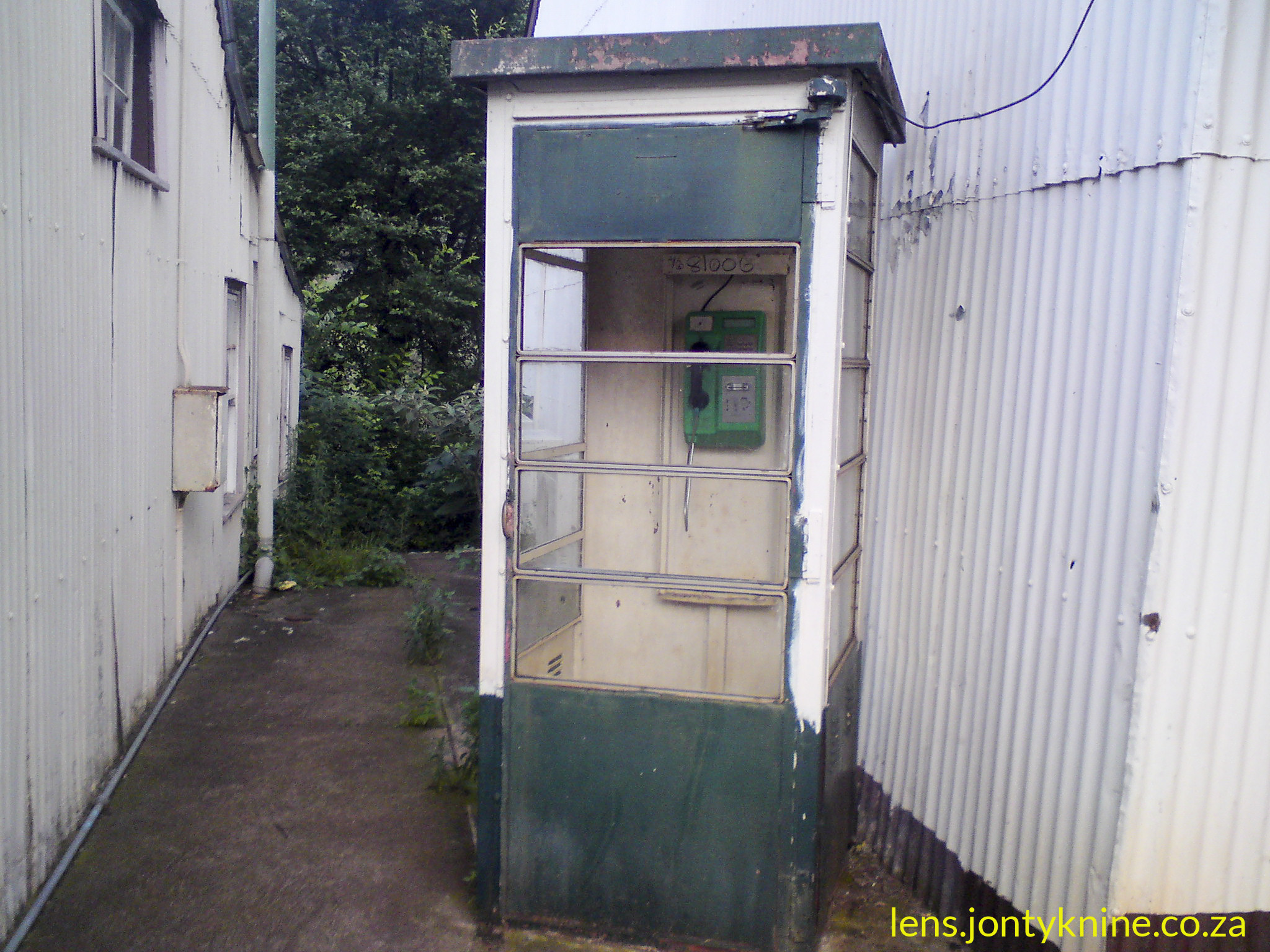
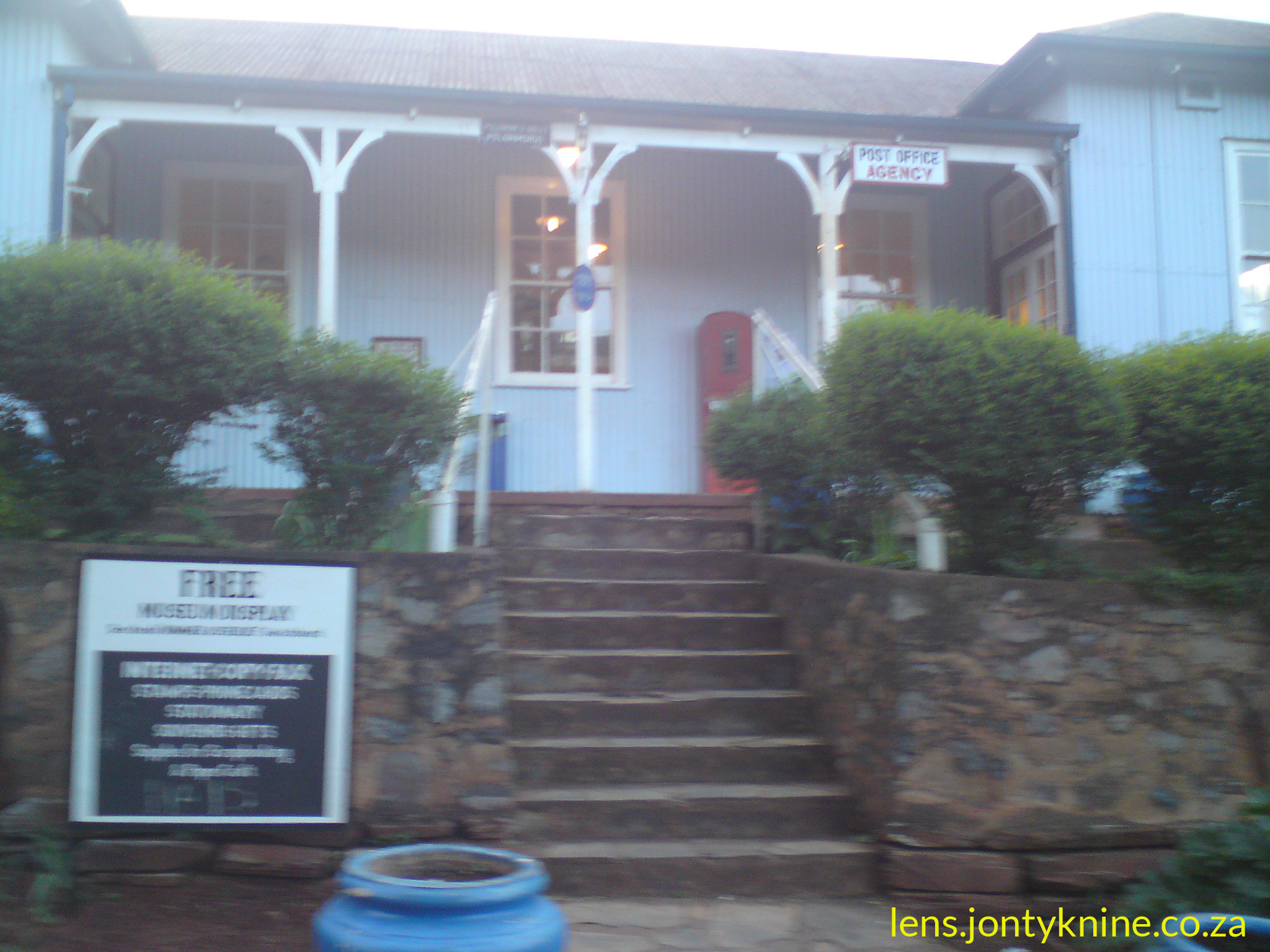
It is protected as a provincial heritage site (declared a National Monument in 1986) and functions as a living museum. The entire town retains much of its late-19th/early-20th-century character, with corrugated-iron buildings, original shopfronts, and mining-era architecture largely unchanged.
History
Alluvial gold was discovered in 1873 by prospector Alec (or Alex) Patterson on the farm Ponieskrantz (along what became known as Pilgrim’s Creek). He initially kept the find quiet, but when William Trafford also located gold nearby and registered a claim, news spread rapidly. The site was officially proclaimed a gold field on 22 September 1873.
Diggers poured in from across South Africa and abroad. By the end of 1873 there were roughly 1,500 prospectors working thousands of claims. The settlement grew quickly from tents into a proper village with stores, canteens, churches, a newspaper, and the well-known Royal Hotel. The name “Pilgrim’s Rest” is said to come from diggers feeling they had finally found their lasting place after many failed dreams.
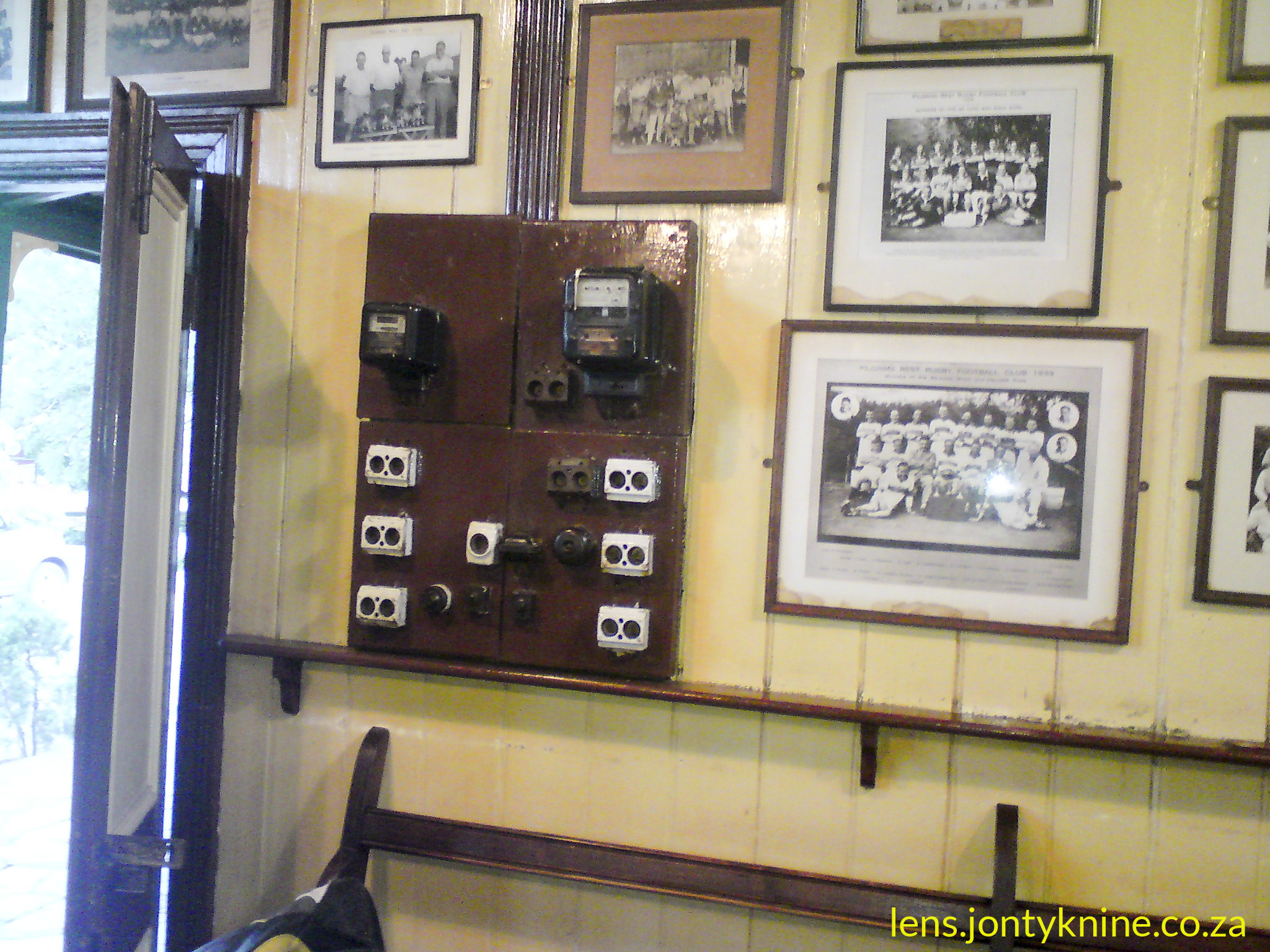
Alluvial panning eventually gave way to deeper reef mining under companies such as Transvaal Gold Mining Estates (TGME). The town was an early adopter of technology for the region—it became the second place in southern Africa (after Kimberley) to have street electricity, supplied in part by the Belvedere hydro-electric power station on the Blyde River (completed 1911). Mining declined over the decades; the last major operations wound down in the 1970s, after which tourism and heritage preservation took over. Limited mining activity has resumed in more recent years under different ownership.
What to See and Do
The village is compact and best experienced on foot. Key attractions include:
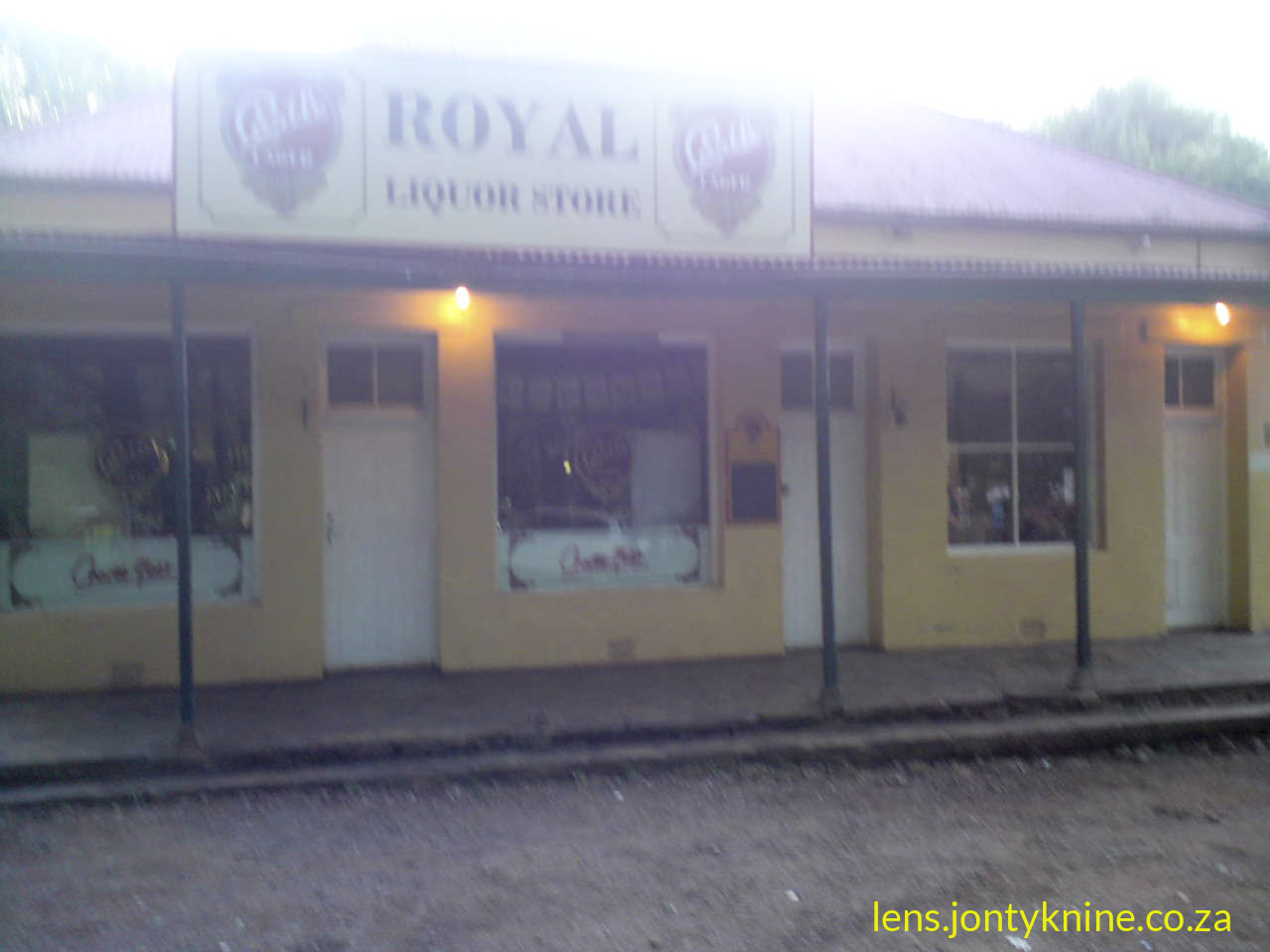
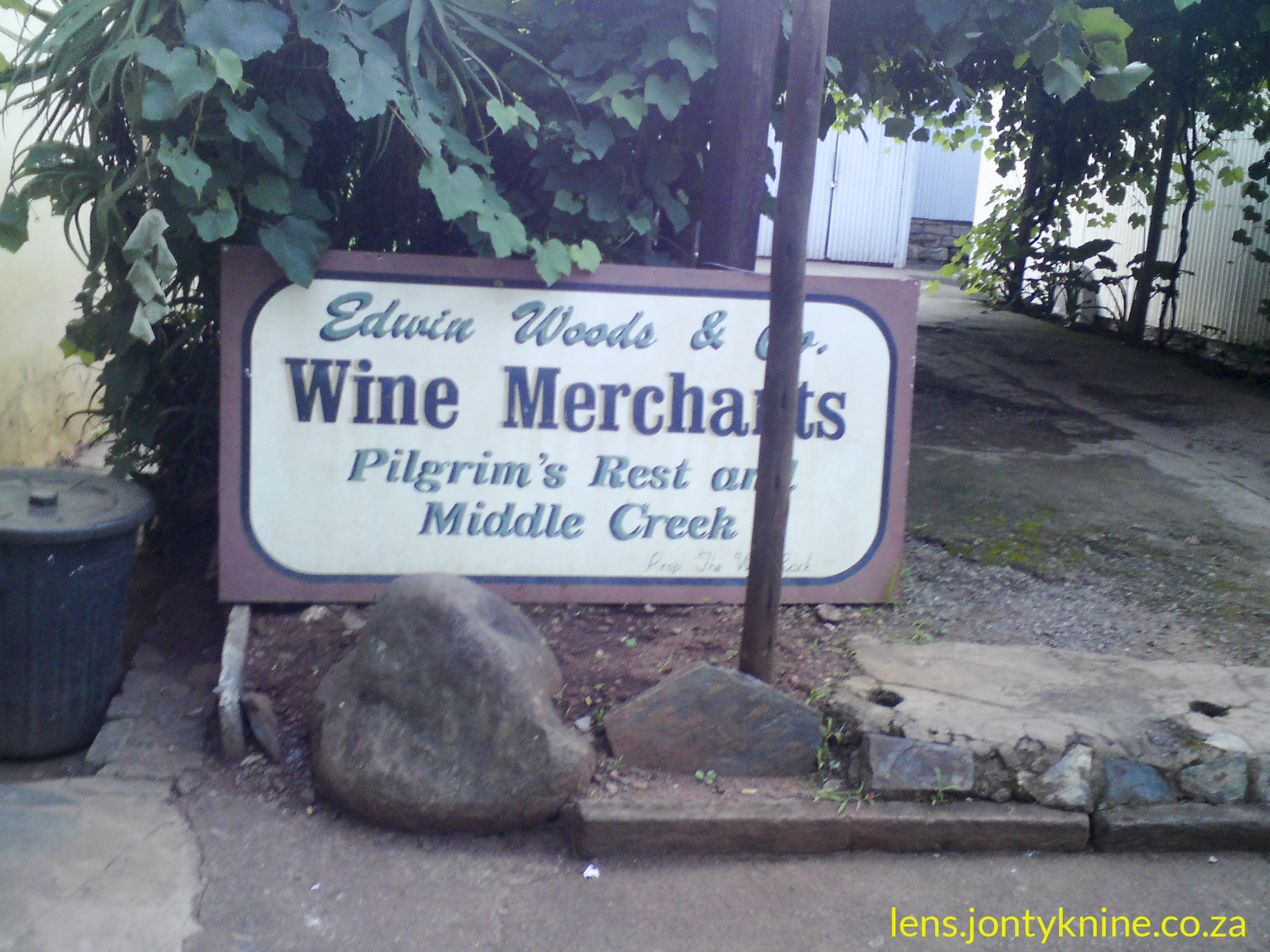
- Main street (Uptown and Downtown) — Lined with restored Victorian and early-20th-century buildings, shops selling curios/crafts/antiques, restaurants, and cafés.
- Museums and historic sites — Information Centre (good starting point for tickets, maps, and exhibits), House Museum, Printing Museum, Dredzen Shop & House Museum, Central Garage Transport Museum, Diggings Site Museum (with gold-panning demonstrations), Alanglade House Museum (former mine manager’s residence, furnished in period style).
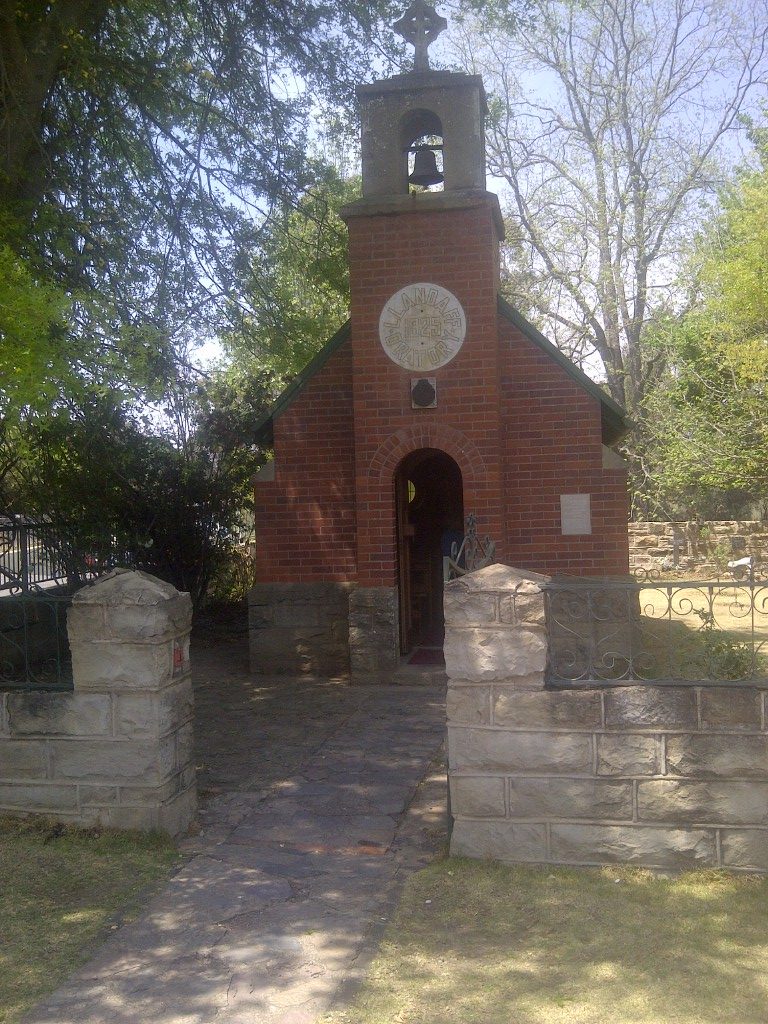
- Churches — Including the Methodist Church, Anglican Church (St Mary’s, built 1884), Catholic Church (Sacred Heart), and others.
- Historic Cemetery — Notable for the “Robber’s Grave” (an unnamed thief’s tombstone faces a different direction from the others).
- Joubert Bridge — Built in 1896 at the western entrance.
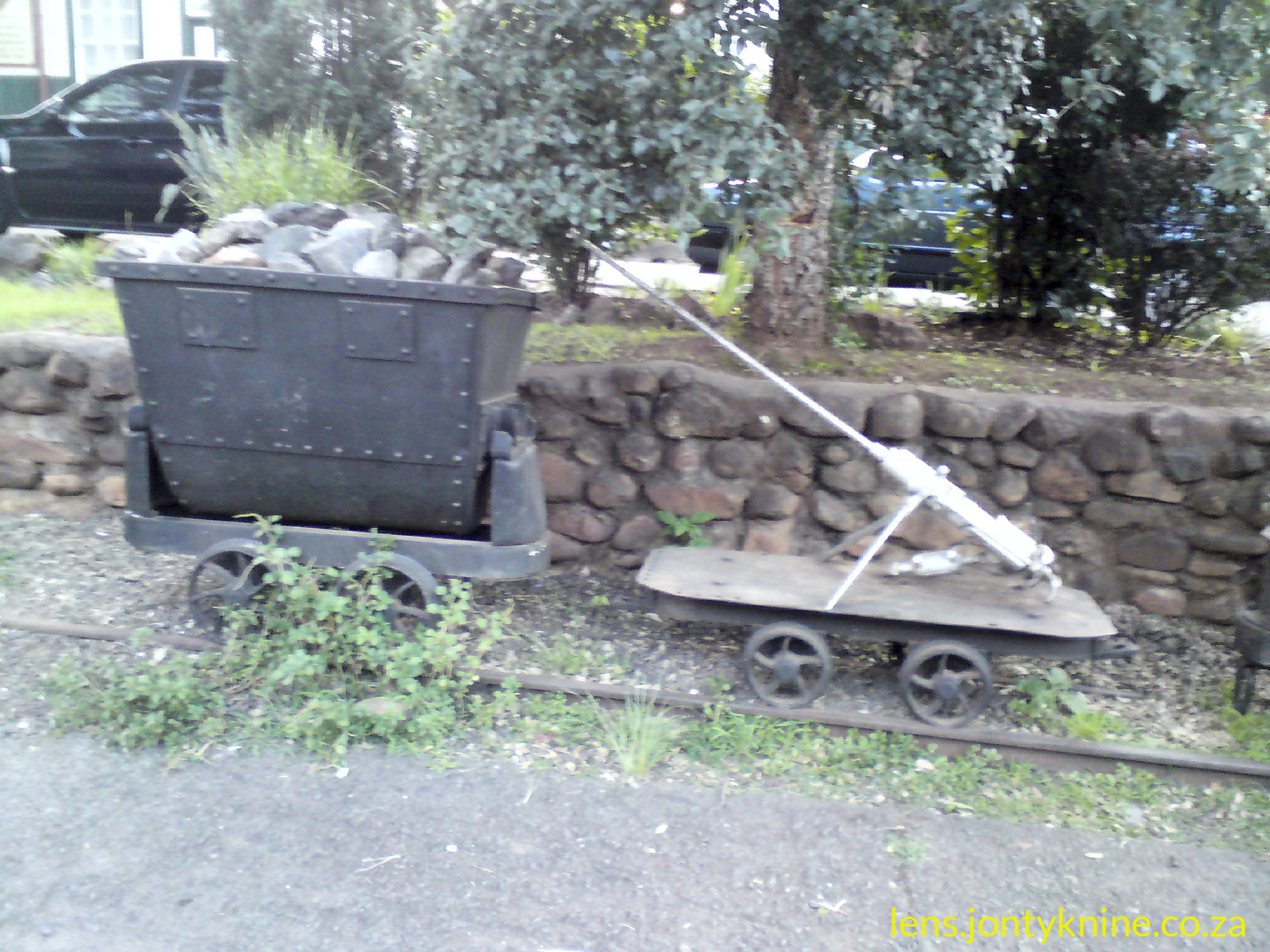
- Other — War memorial, old prison, and various mining relics. Gold-panning demonstrations and championships still take place.
The surrounding Panorama Route offers dramatic scenery, viewpoints, waterfalls, and access to the broader Mpumalanga lowveld/Kruger region. Outdoor options nearby can include hiking, 4×4 trails, fly-fishing, and more.
Practical Notes
- Location: On the Panorama Route in the Thaba Chweu area of Mpumalanga, roughly between Sabie/Graskop and the Blyde River Canyon region. Elevation is around 1,280 m.
- Getting there: Best reached by car (or organised tour). It makes a natural stop on a Panorama Route day or multi-day itinerary.
- Atmosphere: Quiet and atmospheric, especially outside peak tour-bus hours. It works well as a half-day or overnight stop rather than a long base.
- Accommodation: Historic hotels (including the Royal Hotel), guesthouses, B&Bs, and self-catering options, many in restored period buildings.
- Best time: The drier winter months (roughly June–August) are popular for clear weather and milder temperatures, though the area is visitable year-round.
Other, less common matches for the phrase “Pilgrims Rest” / “Pilgrim’s Rest” include a B&B in Walsingham (Norfolk, England), a 1946 Miss Silver mystery novel by Patricia Wentworth, a short-lived 1990s British TV comedy series set in a transport café, a historical novel by Michael Nicholson, and a location/quest in the game Hollow Knight: Silksong. In the South African context (and given the SAST timezone), the gold-rush village is by far the primary reference.
If you’re looking for travel planning details (routes, current opening times, accommodation recommendations, gold-panning experiences, or how it fits with nearby attractions like God’s Window, Bourke’s Luck Potholes, or Kruger)