









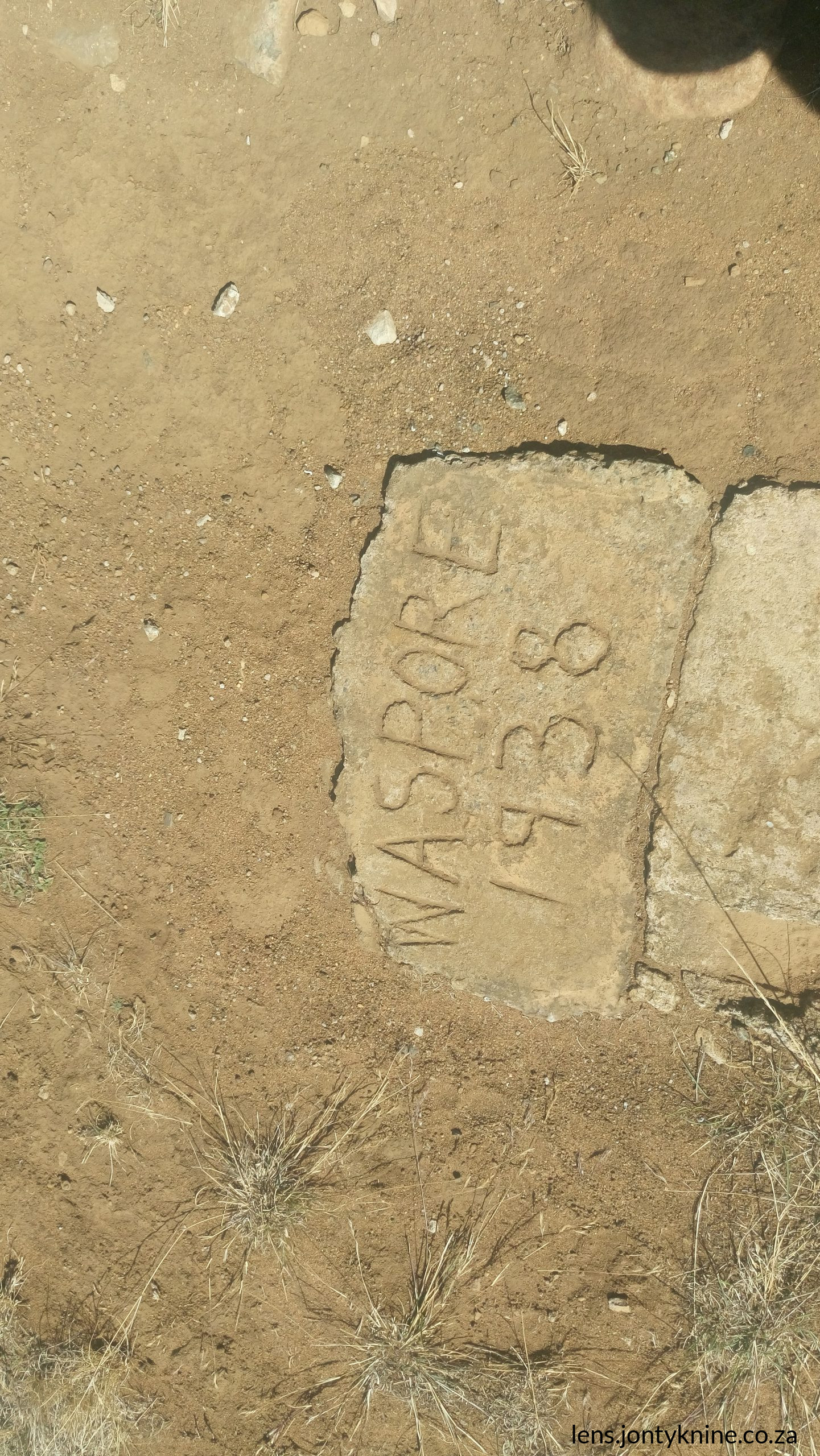
















The Battle of Blood River (also known as the Battle of Ncome River) took place on December 16, 1838, in present-day KwaZulu-Natal, South Africa. It was a pivotal clash during the Great Trek between a Voortrekker (Boer pioneer) commando led by Andries Pretorius and a much larger Zulu force under King Dingane.
Historical Context
In the early 19th century, Dutch-descended Boer farmers (Voortrekkers) migrated inland from the British-controlled Cape Colony to escape British rule, seek new land, and preserve their cultural and economic independence. This mass migration, known as the Great Trek (starting around 1835–1838), brought them into conflict with indigenous African kingdoms, including the powerful Zulu Kingdom in the southeast.
Key triggers for the battle:
- Land disputes and diplomacy: Voortrekker leader Piet Retief negotiated with Zulu King Dingane for land in Natal. Dingane reportedly agreed on the condition that the Boers recover stolen cattle from a rival chief. A treaty was allegedly signed, but tensions escalated.
- Massacres: In February 1838, Dingane ordered the killing of Retief and his delegation at his kraal (UmGungundlovu), followed by attacks on Voortrekker settlements (e.g., the Bloukrans/Weenen massacre), killing hundreds of Boers, including women and children. These events provoked a retaliatory campaign.
- Zulu perspective: The Zulus viewed the Voortrekkers as invaders encroaching on their territory amid broader pressures from European traders and hunters on the coast. Dingane’s kingdom was at its height but faced internal and external threats.
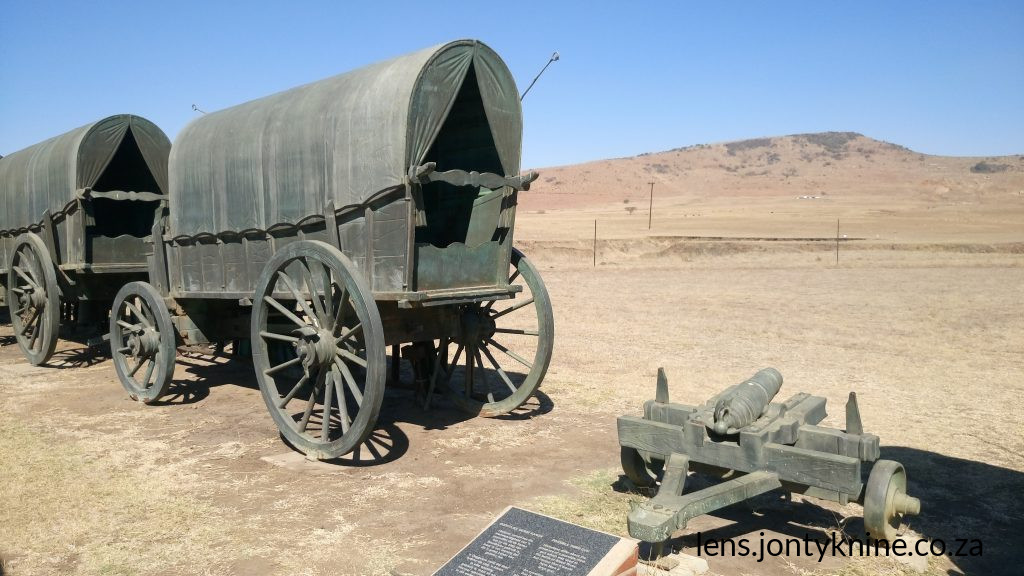
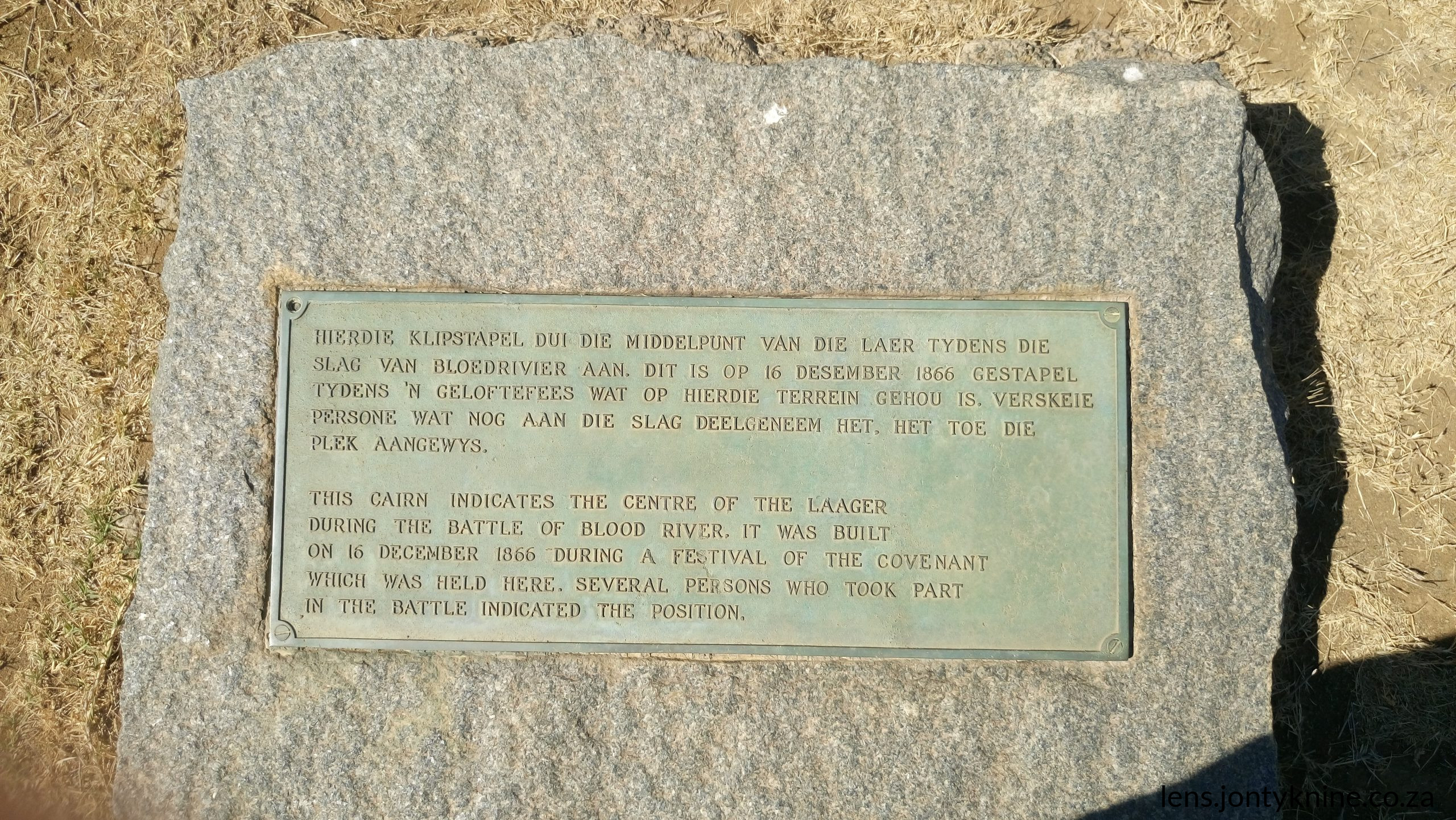
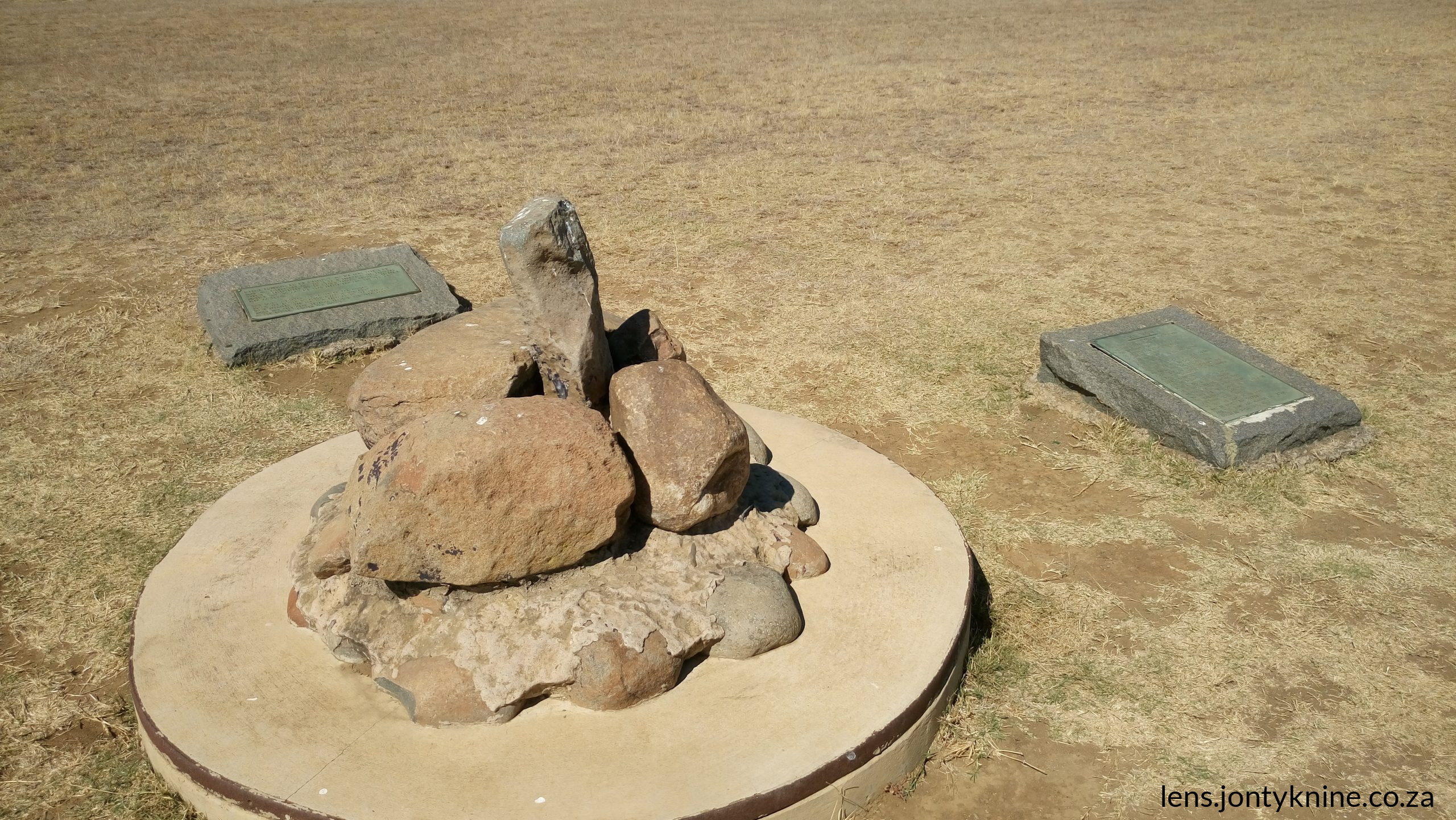
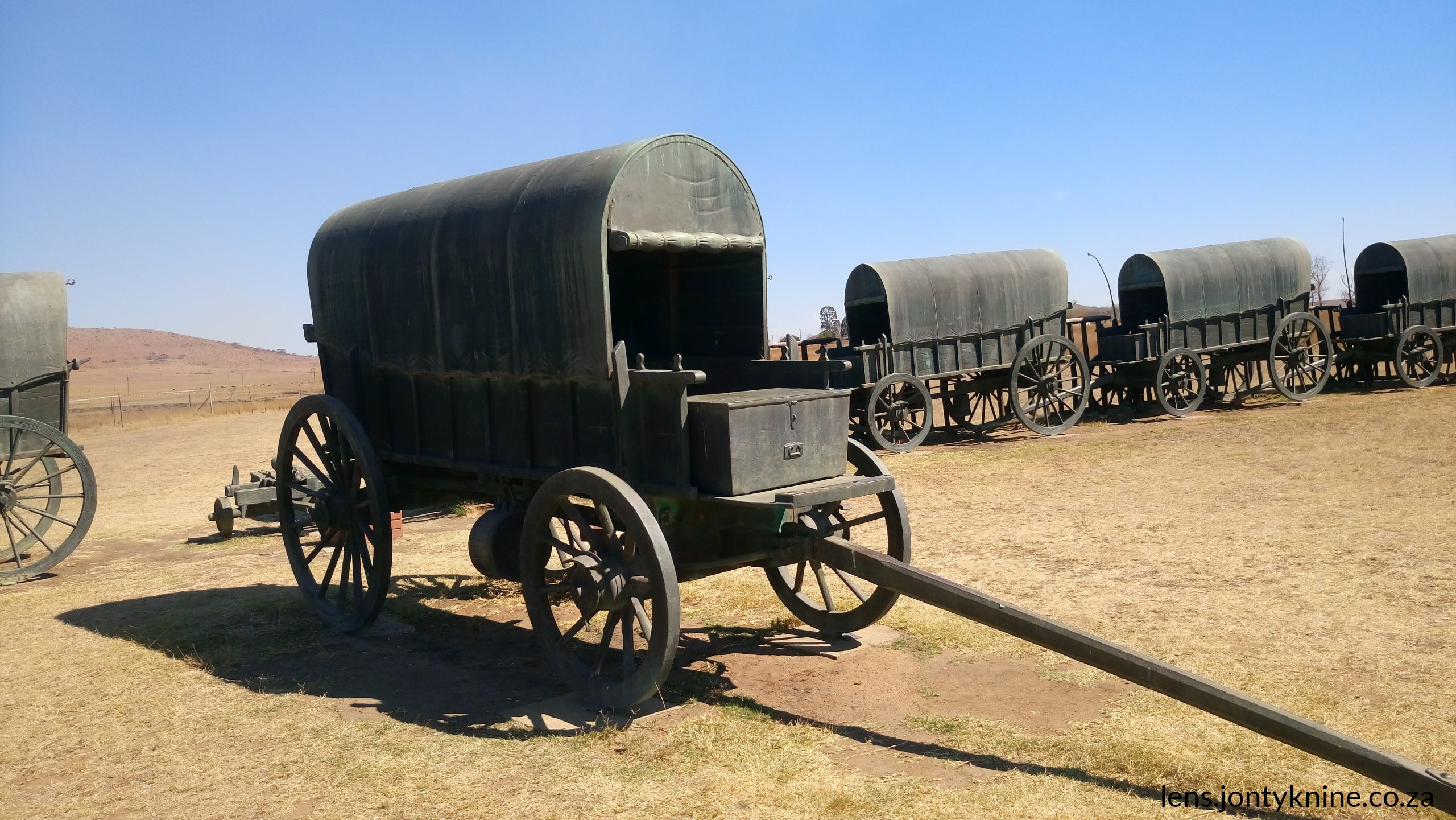
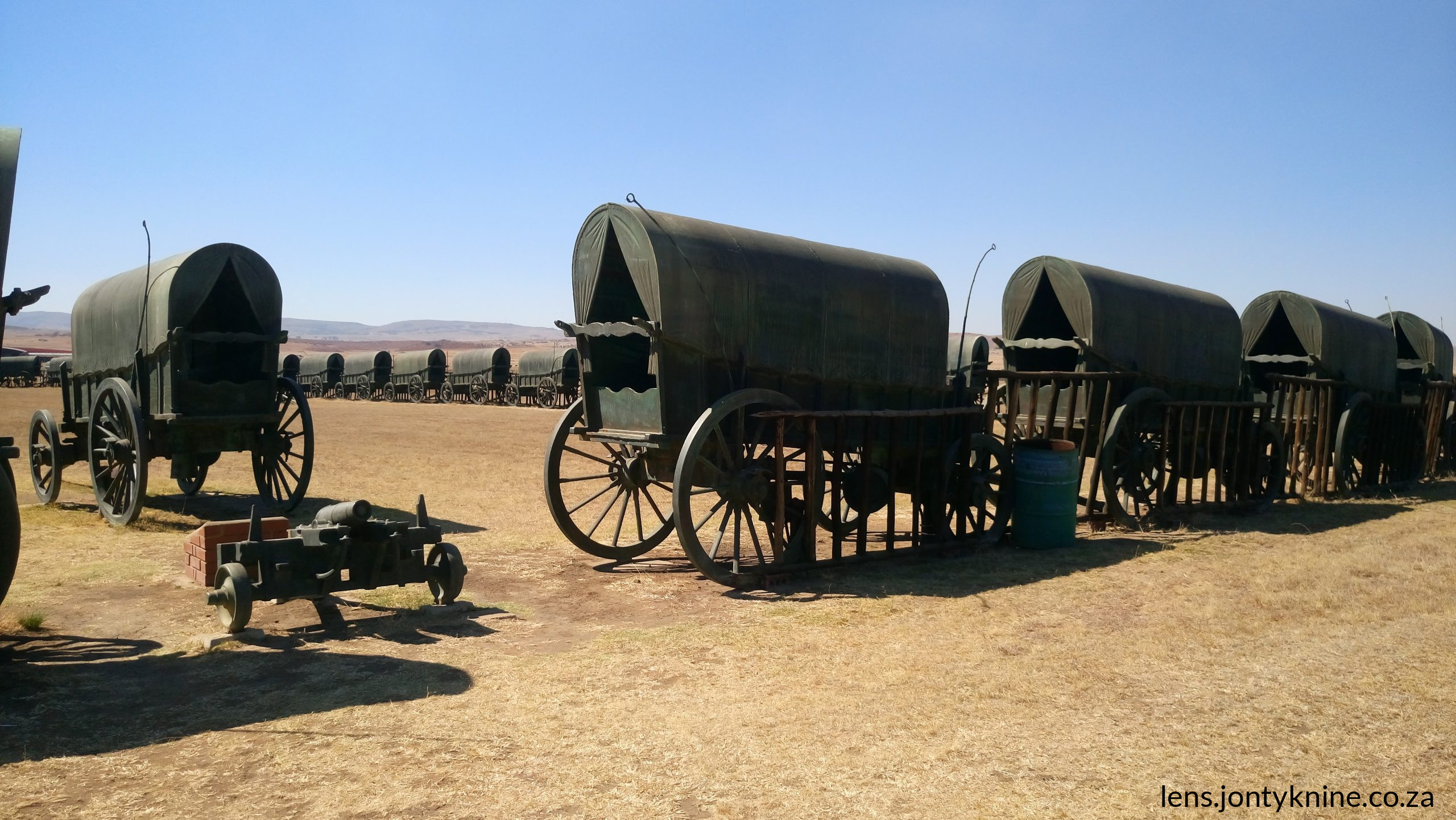
The Voortrekkers formed a laager (a defensive circle of wagons) on the banks of the Ncome River, a strategic position with natural barriers (river on one side, open ground).
The Battle Itself
Forces:
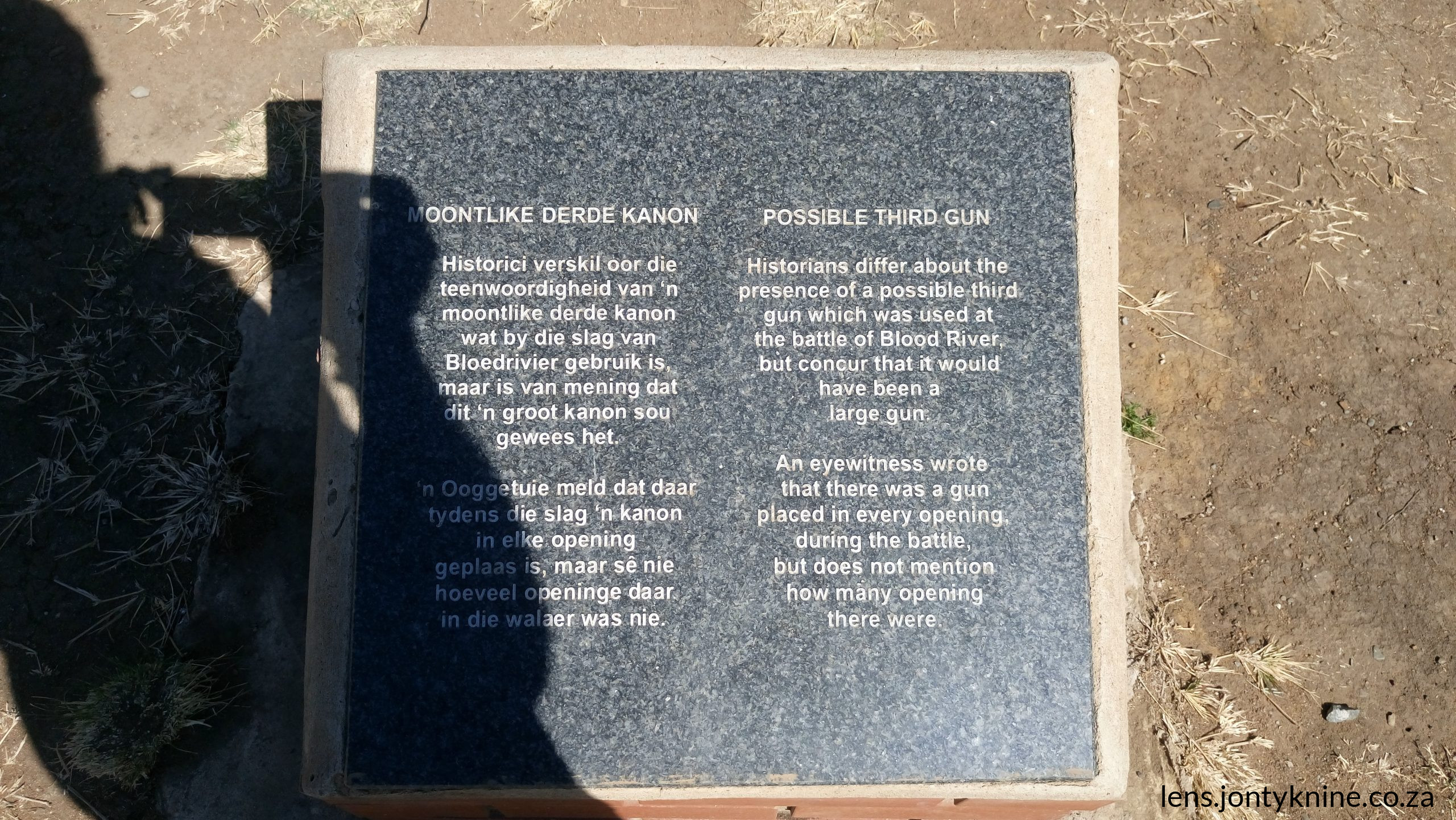
- Voortrekkers: Approximately 464–500 fighting men (plus servants), armed with muzzle-loading rifles, two or more cannons, and organized defensively. Total around 664 including non-combatants.
- Zulu: Estimates vary widely—commonly 10,000–30,000 warriors, primarily using traditional assegais (short spears), shields, and some firearms acquired through trade. They employed the classic “buffalo horns” formation (central “chest” for main attack, flanking “horns” to encircle).
Events (December 16, 1838):
- The Zulus launched repeated frontal assaults on the laager. Boer firepower—rifles and grapeshot from cannons—decimated the charging warriors at close range.
- Misty or wet conditions may have hampered Zulu coordination, with part of their force unable to cross the river fully.
- After hours of fighting, the Zulus suffered massive losses and retreated as night fell. The Voortrekkers pursued briefly.
- The river reportedly ran red with blood, giving it the name Blood River (Bloedrivier in Afrikaans; Ncome in isiZulu).
Casualties: Heavily lopsided. Voortrekkers: 3 lightly wounded (including Pretorius). Zulus: Over 3,000 killed (including notable leaders/princes).
The victory was not inevitable; earlier Boer efforts had been repelled, and the outcome hinged on defensive tactics, superior ranged weaponry, discipline, and positioning against massed charges.
Immediate Aftermath
- The Voortrekkers advanced to Dingane’s kraal, finding it destroyed. They recovered remains of Retief’s party (with disputed claims about the treaty document).
- Dingane’s power weakened; he was later overthrown in a civil war involving his brother Mpande, who allied with the Boers.
- The Boers established the short-lived Republic of Natalia (annexed by Britain in 1843), expanding their influence in the region.
Significance and Legacy
Afrikaner Perspective:
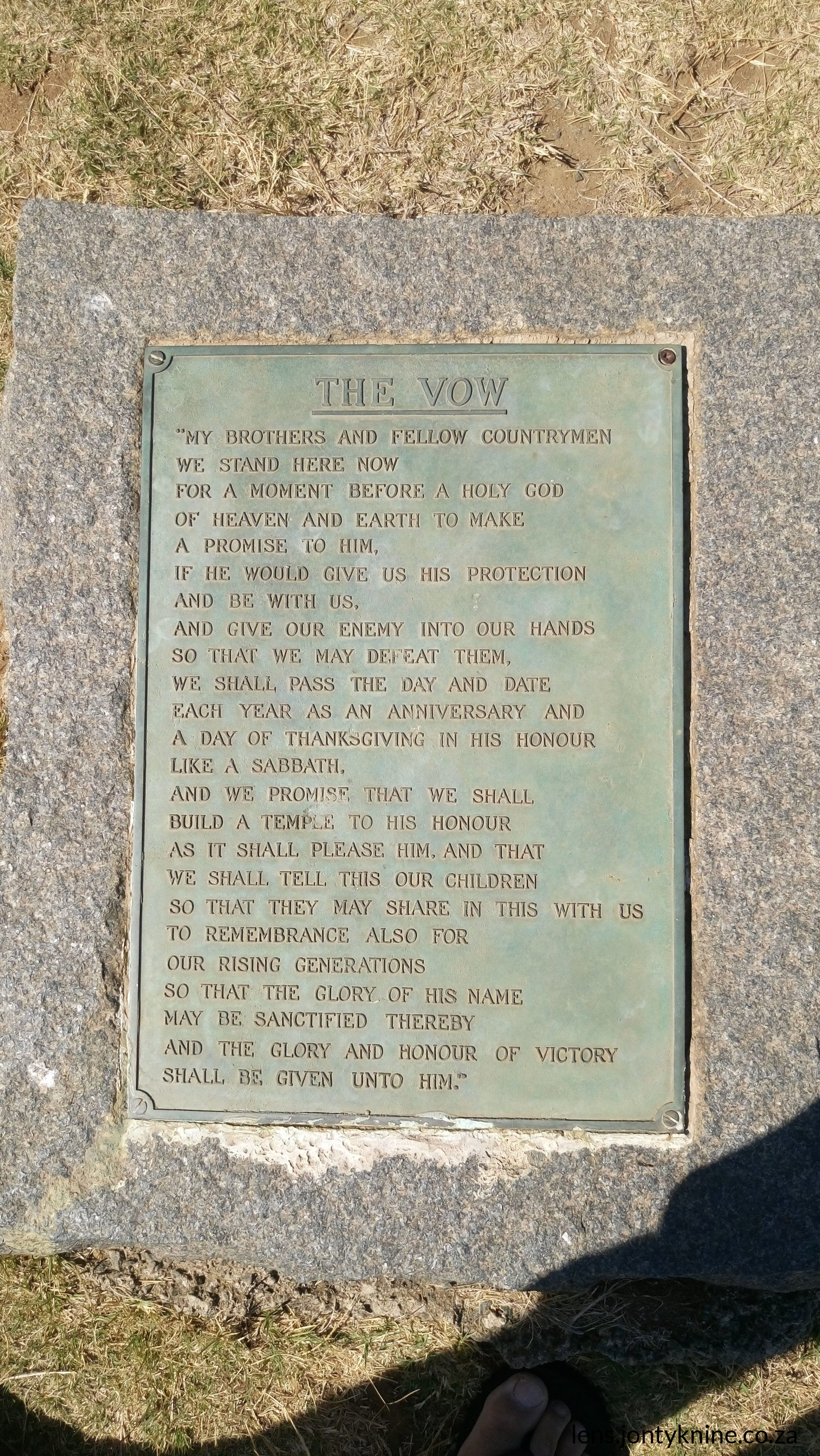
- Seen as a miraculous divine intervention and foundational event in Afrikaner identity and nationhood. The Voortrekkers had made a Vow (promising to observe the day as a Sabbath and build a church if victorious), leading to the Day of the Vow (later Dingane’s Day).
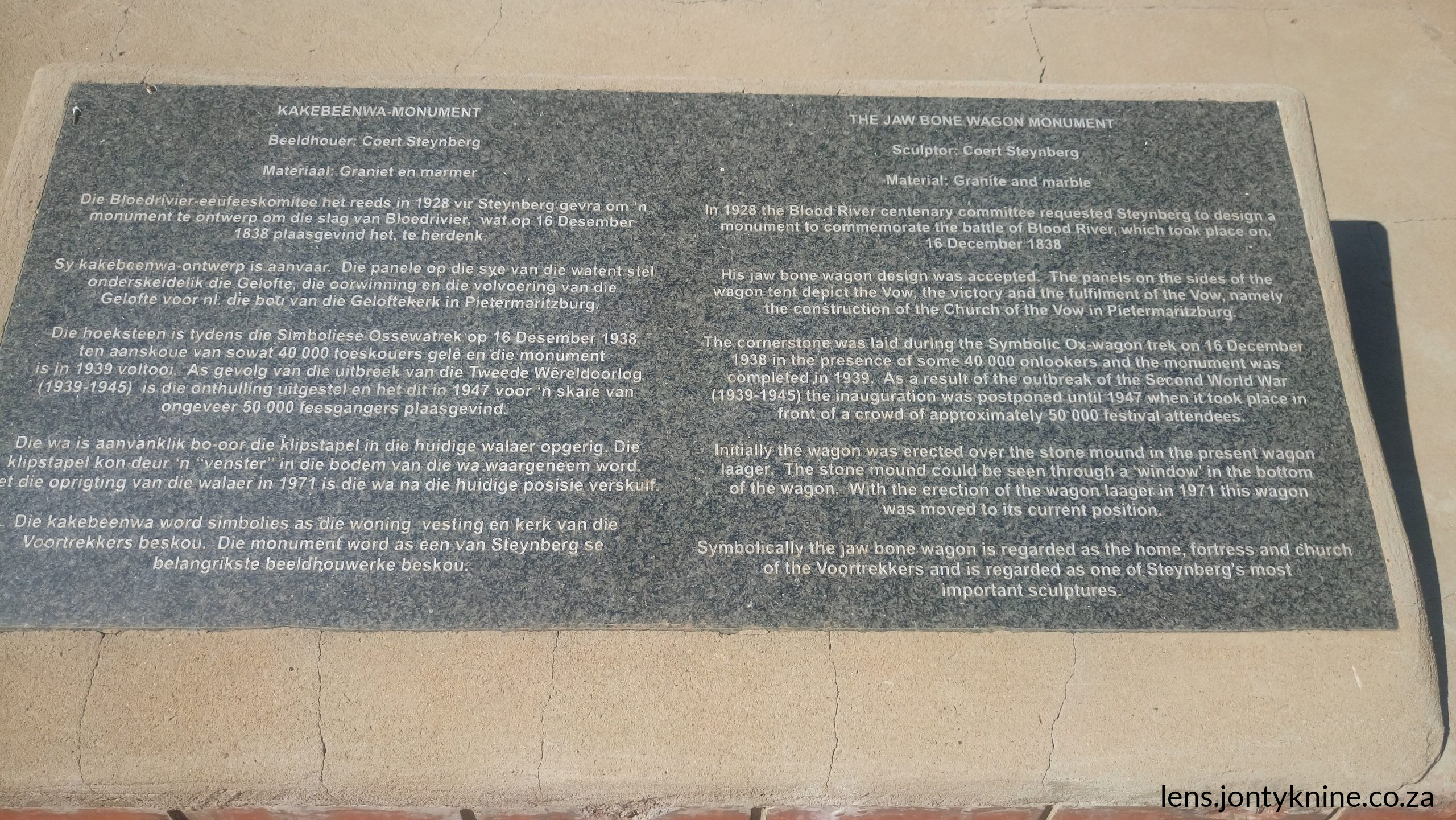
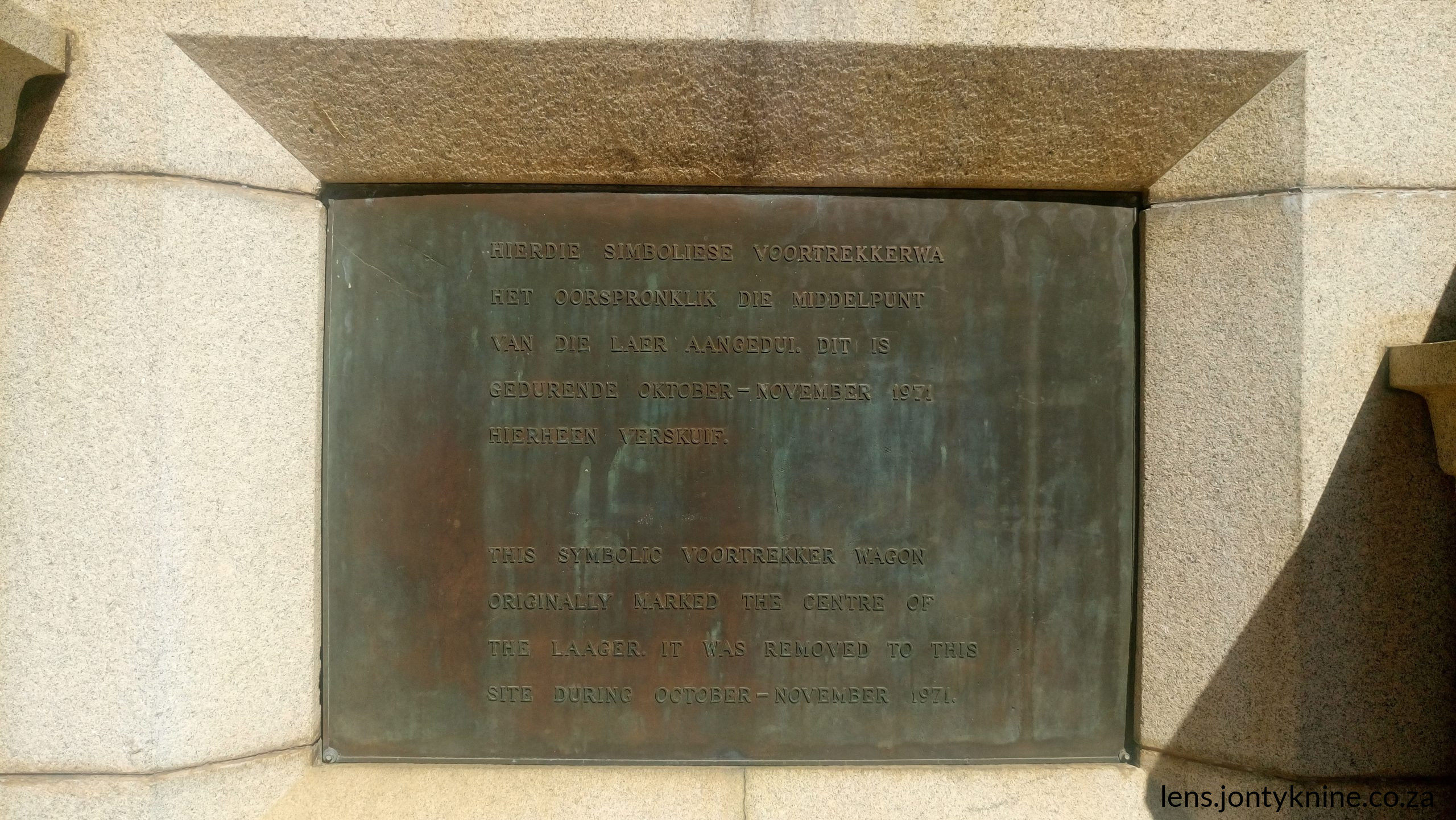
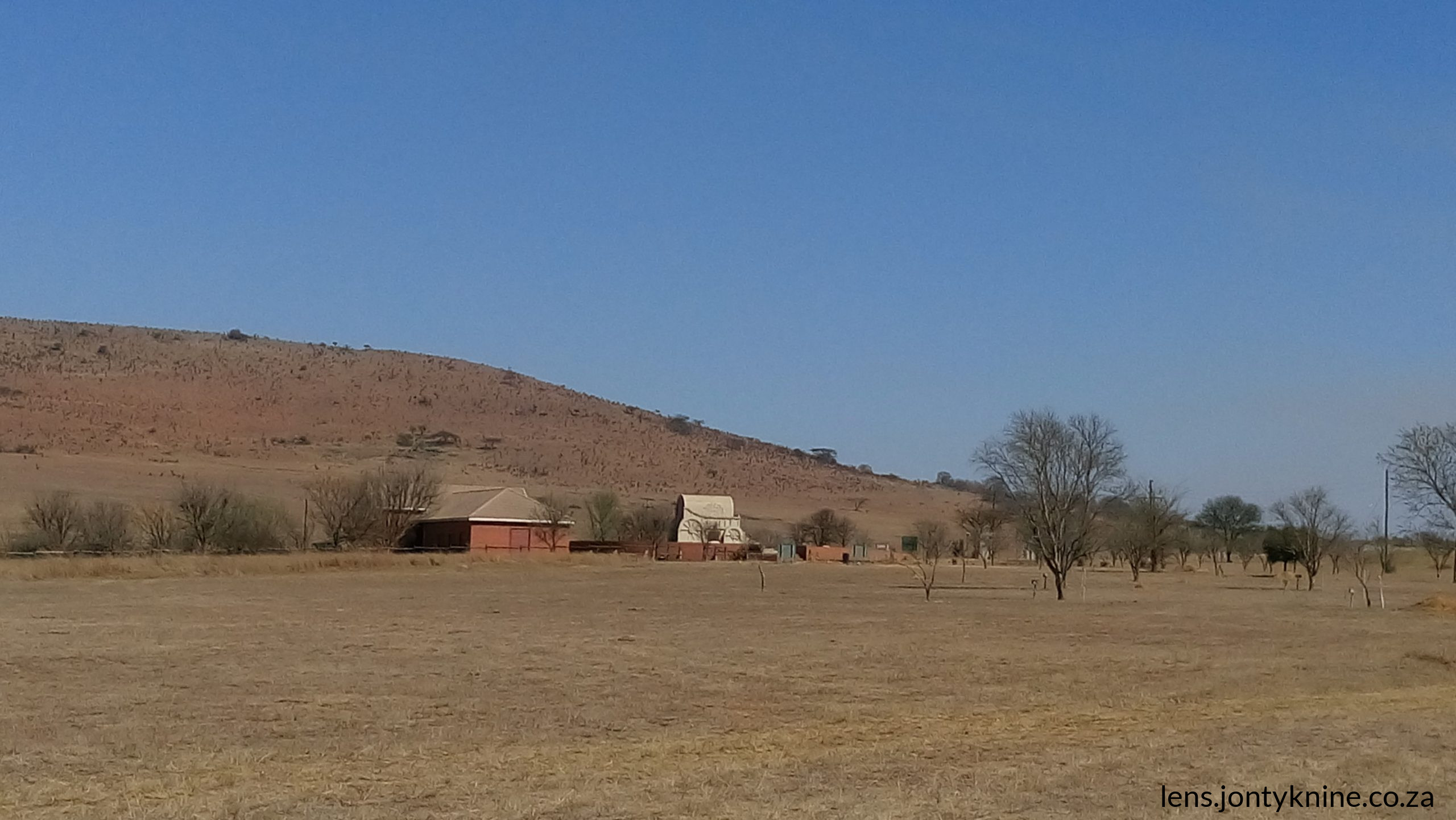
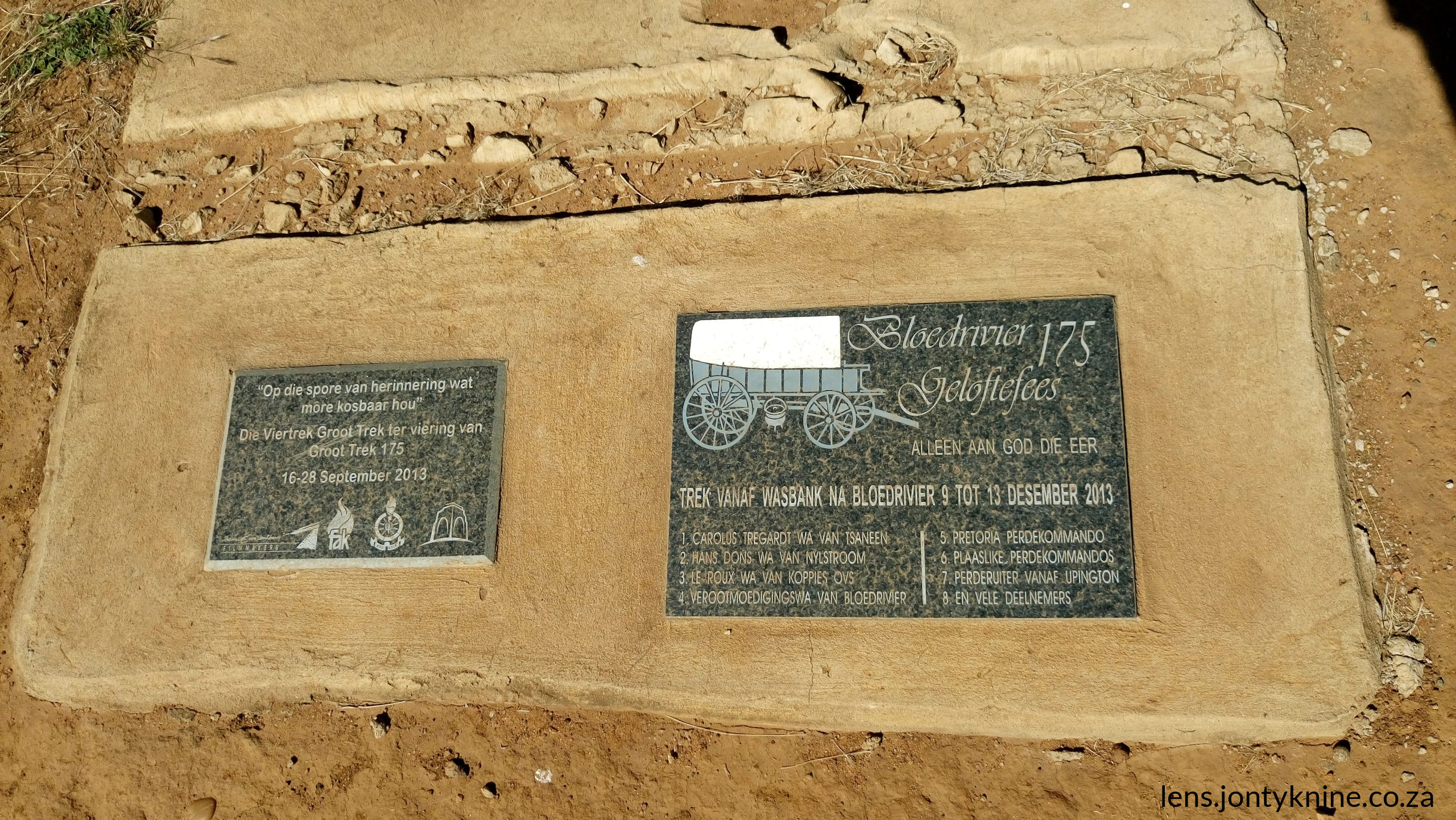
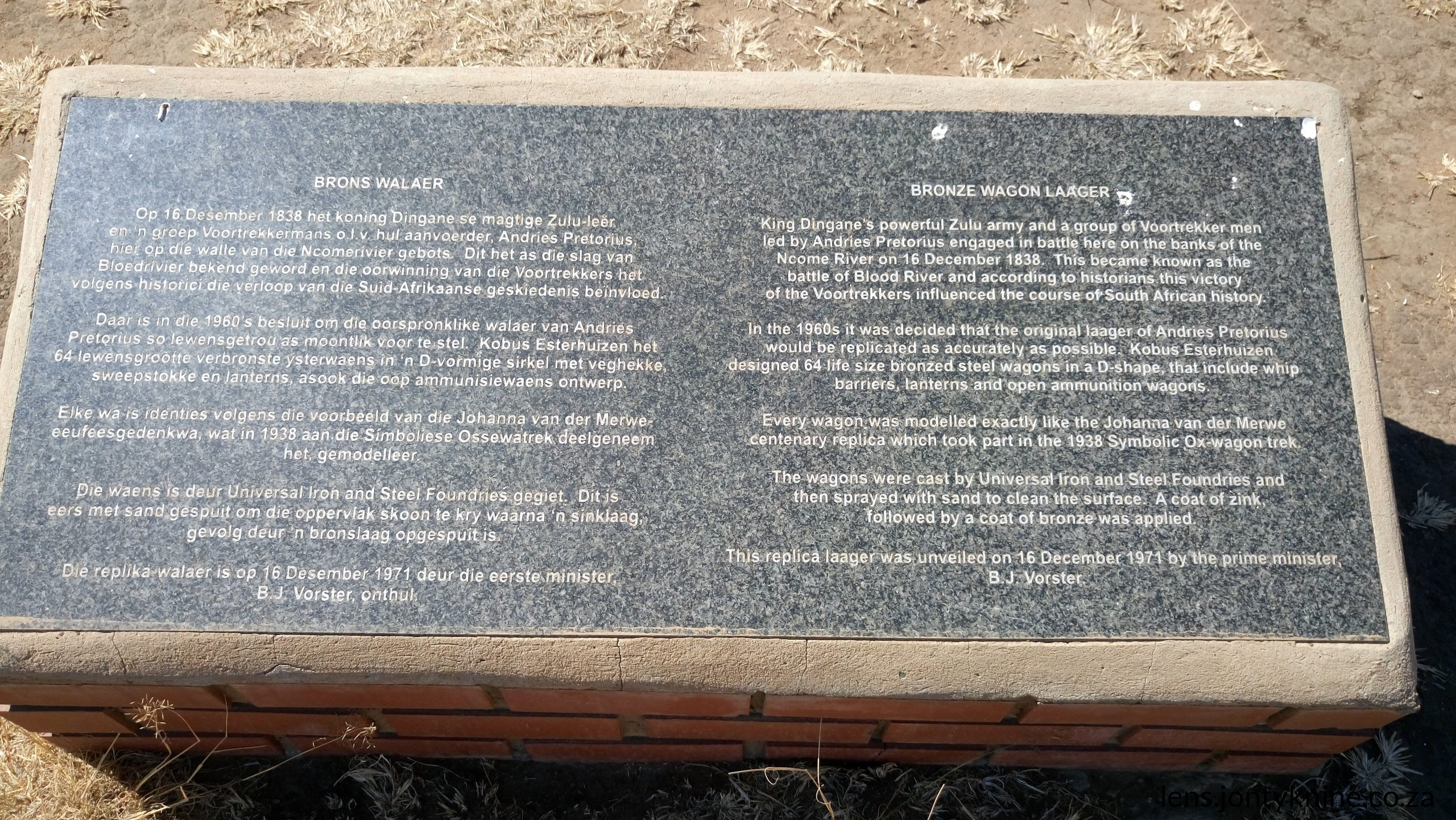
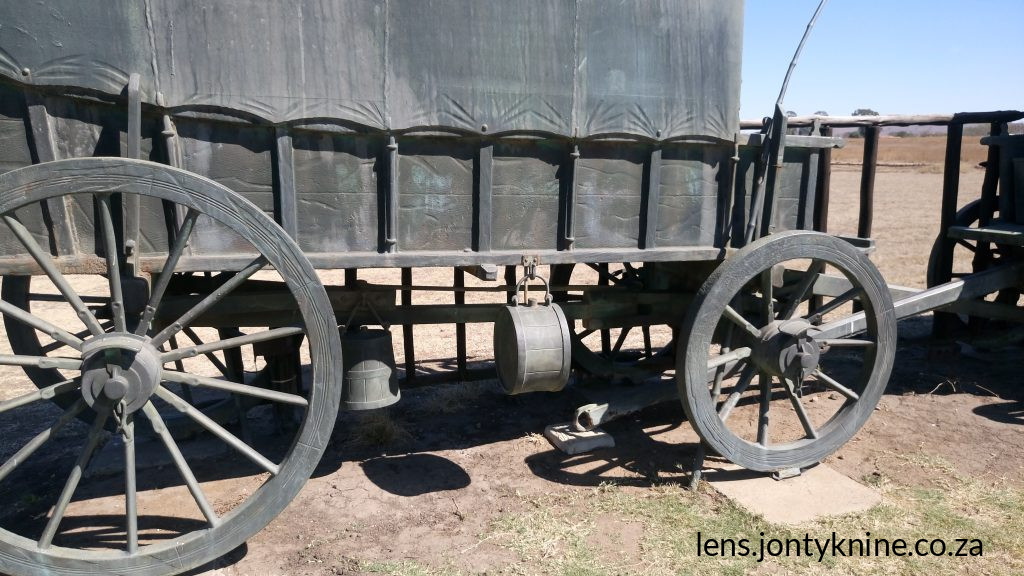
- It symbolized resilience, covenant with God, and justification for settlement and later political dominance. Monuments like the bronze wagon laager (64 replica wagons) commemorate this.
Zulu and African Perspectives:
- Viewed as a defensive stand against invaders, with heavy losses highlighting the brutality of colonial encroachment. The Ncome Monument and Museum (opened 1998 on the opposite bank) presents the Zulu viewpoint, emphasizing courage and the human cost.
National Reconciliation:
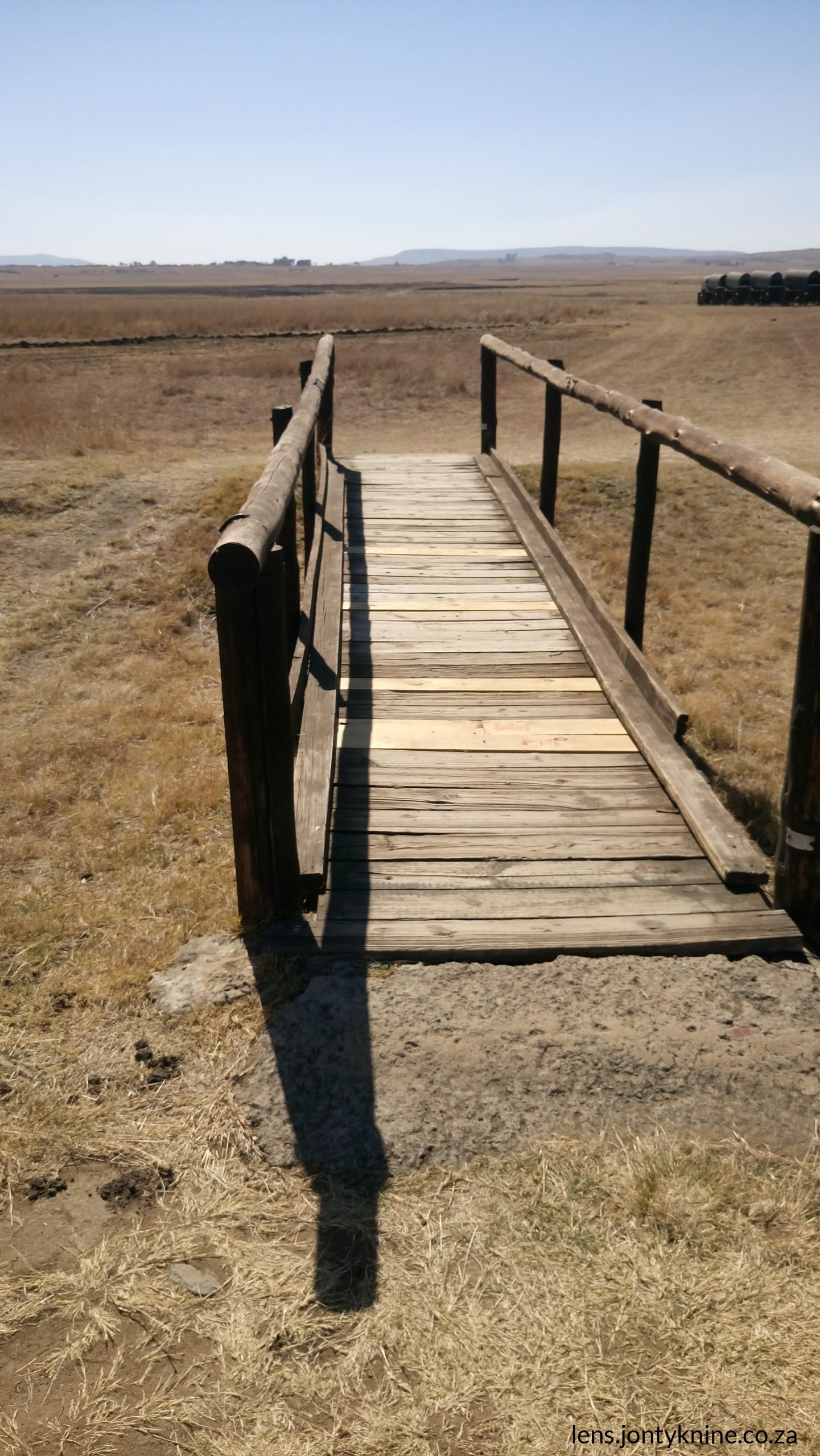
- In post-apartheid South Africa, December 16 became the Day of Reconciliation (1994/1995) to promote unity and healing. A pedestrian bridge now connects the two monument sites symbolically.
- The site remains contested heritage, reflecting ongoing debates about history, land, and identity in South Africa. Battlefield tourism aims to present multiple narratives.
Broader Implications and Nuances
- Military/Technological: Exemplifies the clash between European gunpowder tactics (defensive firepower) and traditional African massed infantry warfare. Similar dynamics appeared in other colonial encounters.
- Political: Accelerated Boer expansion, contributed to the formation of Afrikaner republics (Transvaal, Orange Free State), and complicated British-Zulu-Boer relations, setting stages for later conflicts like the Anglo-Zulu War (1879) and Anglo-Boer Wars.
- Cultural/Mythic: Bolstered Afrikaner nationalism and, in some interpretations, ideologies of separation (linked to apartheid-era narratives, though contested). Modern views emphasize complexity: not just “Boer triumph” or “Zulu defeat,” but part of migration, resistance, and empire-building.
- Edge Cases/Debates: Casualty figures and treaty details vary by source; some question idealized accounts. Environmental factors (weather, terrain) and Zulu command decisions (e.g., partial river crossing) played roles. Not all Voortrekkers or Zulus were monolithic—alliances and internal divisions existed.
The battle site today features dual monuments, museums, and interpretive centers, inviting visitors to explore both sides. It underscores how single events can carry vastly different meanings across communities, influencing national identity long after the guns fell silent.