



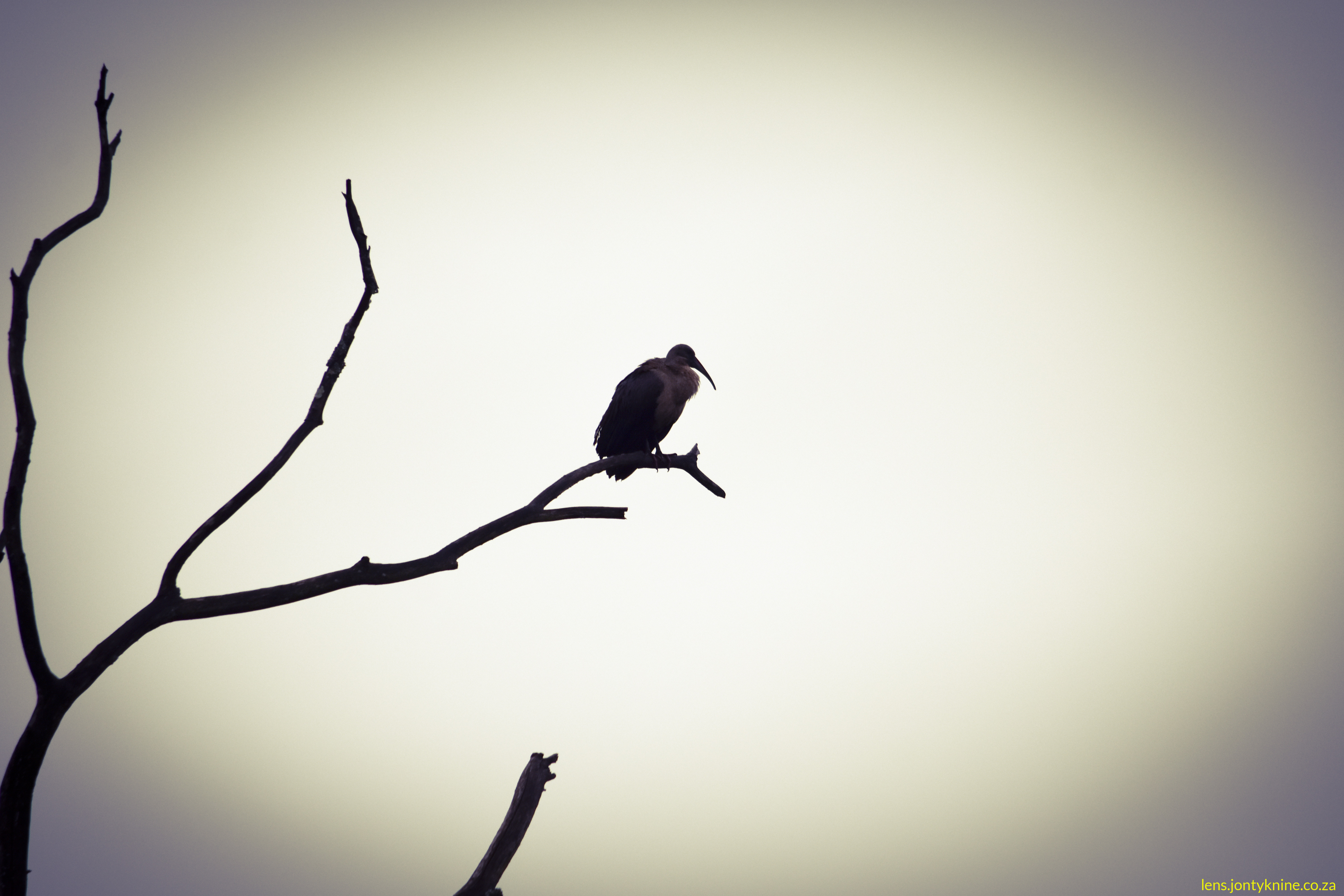
The “sixth sense” in a Hadeda’s beak is a highly advanced biological trait known as tactile remote-touch.
Instead of relying on sight, sound, or smell to find food underground, the Hadeda can actually “feel” the vibrations of moving prey buried deep within the soil without even touching it directly.
🔬 How the “Technology” Works
- Sensory Pits: If you look closely at the tip of a Hadeda’s long, curved bill, the bone is pitted with thousands of microscopic recesses.
- Herbst Corpuscles: Nestled inside these tiny pits are specialized mechanoreceptors called Herbst corpuscles. These are incredibly sensitive nerve endings that detect minute changes in pressure and micro-vibrations.
- Hydrostatic Pressure: When the Hadeda pushes its bill into damp garden soil, the bill compresses the water and soil particles ahead of it. If an earthworm, beetle larva, or insect moves nearby, it disrupts that pressure. The Herbst corpuscles instantly register that tiny shockwave, telling the bird’s brain exactly where to snap.
🏡 Why This Makes Them the Ultimate Garden Tool
This remote-touch system only works effectively in damp, soft ground because wet soil propagates pressure waves much better than bone-dry dirt.
This explains two major Hadeda behaviours:
- The Suburban Jackpot: They absolutely love watered suburban lawns, parks, and golf courses. Human landscaping has inadvertently created the perfect high-definition environment for their sensory bills.
- The Constant Probing: When you see a Hadeda walking across your lawn repeatedly stabbing the grass (sometimes walking in circles), it is actively “scanning” the underground terrain using its biological sonar.