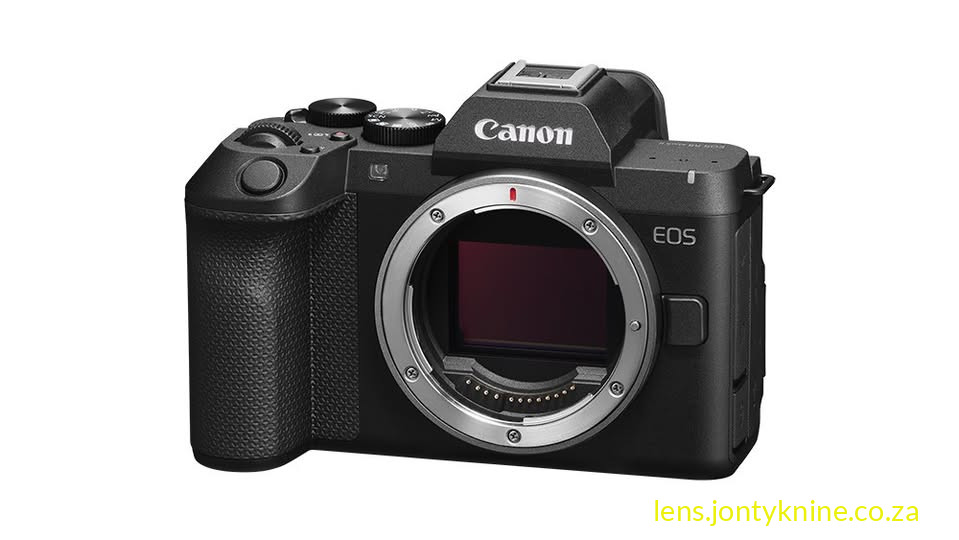






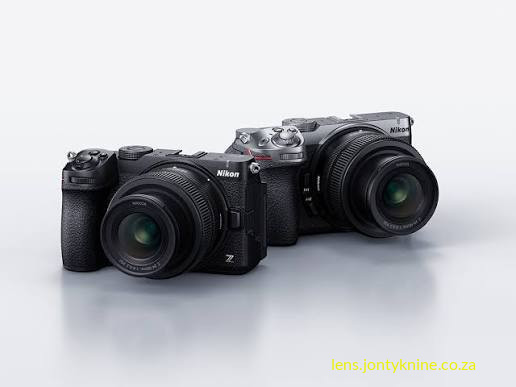
Nikon announced the Z5IIC full-frame mirrorless camera on September 24, 2026. It is a more compact, beginner-/casual-oriented version of the Z5II (released in April 2025), sharing the same core imaging performance while prioritizing approachability, a flat-top design, and a lower price.
Positioning and Design Philosophy
Nikon positions the Z5IIC as an accessible entry into full-frame photography for smartphone users, first-time mirrorless shooters, and everyday creators. The “C” stands for “casual.” It emphasizes intuitive operation over traditional pro controls: Scene Modes appear on the mode dial for the first time in a Nikon full-frame mirrorless camera, and a dedicated button provides quick access to Imaging Recipes (presets from Nikon and creators, available via Nikon Imaging Cloud).
Key design choices support this:
- Flat-top, streamlined body with no electronic viewfinder (EVF), for a lower profile that slips easily into a bag.
- Available in black and silver.
- Ergonomic grip retained for secure handling.
- Magnesium alloy construction in key areas with dust- and drip-resistance.
- Dimensions approximately 134 × 80.5 × 72 mm; weight about 620 g with battery and card (lighter and shorter than the Z5II).
The 3.2-inch fully articulated (vari-angle) touchscreen is the primary composition tool. It supports familiar smartphone-style gestures (double-tap, pinch, swipe) for focusing, shutter release, and playback, and flips for selfies/vlogging. Resolution is lower than the Z5II’s screen (typically cited as ~1.04 million dots versus the Z5II’s higher-resolution panel).
Core Specs and Performance
The imaging core matches the Z5II:
- Sensor: 24.5 MP full-frame (FX) backside-illuminated CMOS.
- Processor: EXPEED 7 (shared with higher-end models like the Z8/Z9).
- In-body stabilization: 5-axis VR, up to 7.5 stops (center; ~6 stops periphery, CIPA standard).
- Autofocus: Deep-learning subject detection for people (with eye detection), dogs, cats, birds, vehicles, aircraft, and fish (a first for Nikon Z). Sensitivity down to –10 EV. Auto mode uses AI to recognize subjects/scenes and optimize exposure and AF.
- Still shooting: Up to ~14 fps continuous (mechanical); higher rates (15–30 fps JPEG-only) with High-Speed Frame Capture+ and Pre-Release Capture (up to 1 second of buffered frames before full shutter press). Pixel-shift multi-shot capability for higher-resolution results is also available.
- ISO: Extends to high values with effective noise control (typically cited up to 64,000 for stills).
- Creative tools: Film Grain function (adjustable size/intensity for a nostalgic film look; some video limitations); Imaging Recipes for one-touch looks.
Video capabilities are strong for the class and price:
- 4K UHD up to 60 fps (DX/APS-C crop at higher frame rates; full-width oversampled 4K up to 30p).
- Full HD up to 120 fps, with in-camera 4×/5× slow motion.
- H.265 10-bit (MOV), N-Log, and internal N-RAW recording to SD card (V90 cards recommended).
- Product Review Mode (smooth focus shift to nearby objects), REC lamp + red frame indicator, UVC/UAC webcam support for live streaming via USB, and N-Log/N-RAW for advanced grading.
Storage is a single SD UHS-II card slot (no dual slots). Connectivity includes Wi-Fi, Bluetooth, SnapBridge (with learning tools and automatic transfer), and Nikon Imaging Cloud support. USB Power Delivery is supported. A mechanical shutter is retained.
Pricing and Availability
- Body only: approximately $1,399.95 USD.
- Kit with NIKKOR Z 24-50mm f/4-6.3: approximately $1,699.95 USD.
- Additional soft bundles with lenses such as the 26mm f/2.8 pancake or 40mm f/2 may be offered regionally.
- Availability: mid-October 2026 (pre-orders opened around announcement).
Regional pricing varies (e.g., higher in some markets relative to discounted Z5II bodies).
Comparison to the Z5II and Trade-offs
The Z5IIC delivers essentially the same image quality, AF performance, IBIS, burst rates, and video pipeline as the Z5II. The main differences are intentional simplifications for size, cost, and target audience:
- No EVF (biggest change—screen-first experience; less ideal in bright sun or for traditional eye-level stability with long lenses).
- Lower-resolution rear LCD.
- Single card slot (vs. dual on Z5II).
- No AF joystick (rely on multi-controller or touch).
- Slightly lighter/shorter flat-top body.
- Added beginner-friendly Scene Modes (15 options covering portraits, pets, food, night landscapes, twilight, etc.) and easier Imaging Recipe access.
This makes the Z5IIC notably cheaper than the Z5II (whose MSRP has been higher, around $1,700–$1,850 depending on timing and market). It competes in the compact full-frame space with cameras like the Sony a7C II or Panasonic S9, while retaining a proper mechanical shutter and strong hybrid video features.
Who It’s For and Considerations
Strengths: Excellent value for full-frame image quality, reliable AF (including low light and subject tracking), effective IBIS, solid hybrid video (including internal N-RAW), and genuine beginner-friendly tools without fully stripping advanced capabilities. The flat design and articulated screen suit travel, street, everyday, vlogging, and casual use. Film Grain and recipes add creative fun out of camera.
Limitations and edge cases: No EVF will be a deal-breaker for some (bright outdoor composition, long-lens stability, or traditional shooters). Single card slot lacks redundancy for critical work. Lower screen resolution is noticeable versus the Z5II. It is still a full-frame camera with a substantial grip—more “compact relative to other full-frame” than truly pocketable. Professional or action-oriented users will likely prefer the Z5II (or higher models) for the EVF, dual cards, and fuller controls.
Overall, the Z5IIC successfully lowers the barrier to Nikon’s capable Z-system full-frame performance while keeping the core strengths of the Z5II intact. It is a logical response to demand for more approachable full-frame options and sits as a strong contender for hybrid creators stepping up from smartphones or APS-C. Official details are available on Nikon’s site, and early hands-on coverage emphasizes its image quality and ease of use relative to the price.