




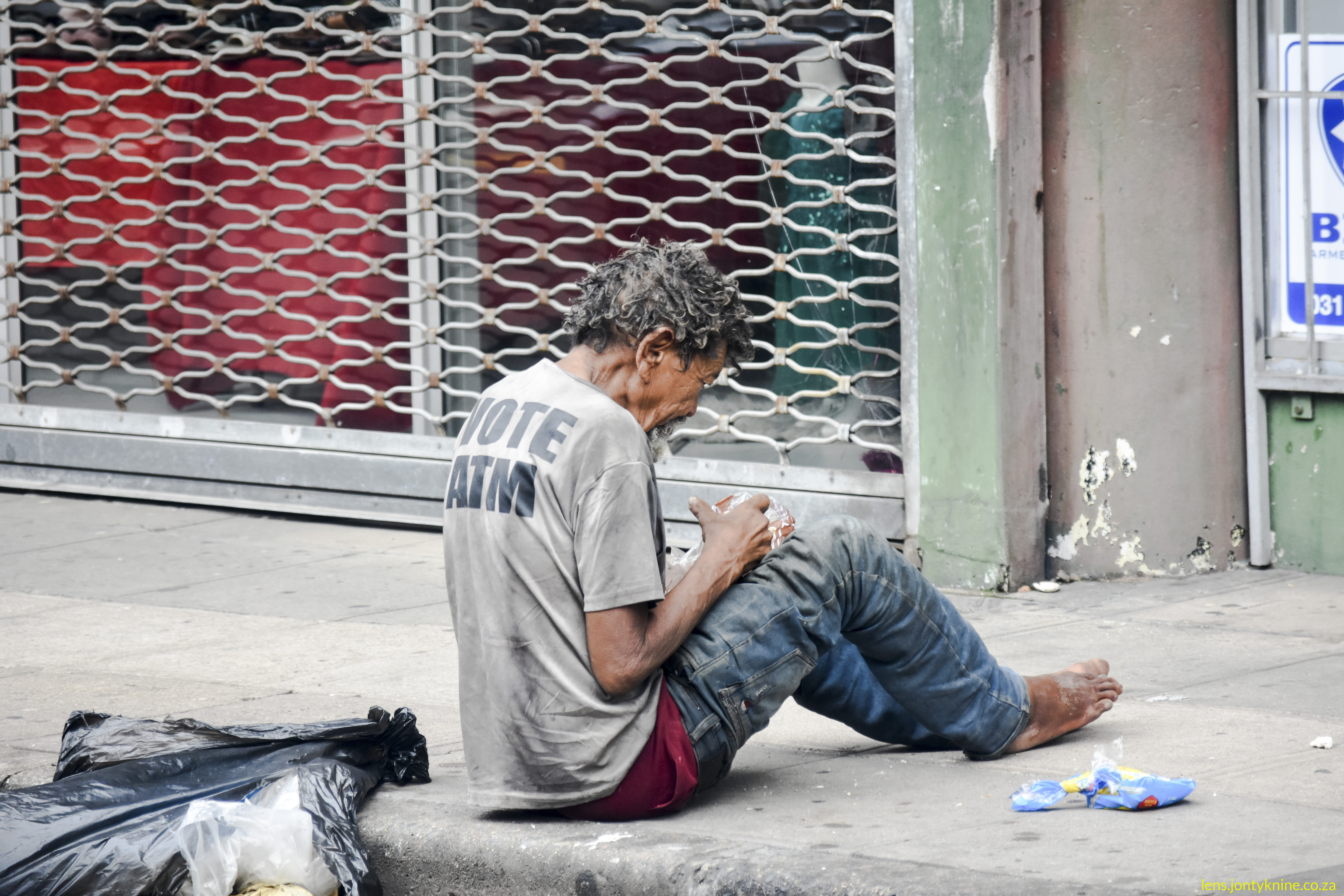
Street photography often reveals the hardest truths of a city—capturing the quiet toll of addiction and asking how low substance abuse can pull a man.
Spend enough time walking the streets with a camera, and you start seeing the parts of a city people try to look past. Substance abuse doesn’t happen in a vacuum—it plays out on pavements, under bridges, along busy intersections, and in quiet corners where life has slowly unraveled.
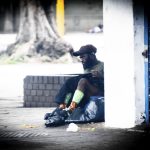
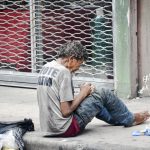
When you frame someone caught in the grip of addiction, the question hits hard: how low can drugs take a man? It’s rarely a single dramatic fall. Usually, it’s a slow erosion—of health, routine, dignity, relationships, and the small everyday anchors that keep a person grounded.
What the Lens Sees
Street photography has a way of stripping away distance. You aren’t looking at a statistic or a headline; you’re looking at a human being in a specific moment of vulnerability.
- The Toll on the Body: Worn posture, tired eyes, weathered skin, and the quiet exhaustion of living on the edge.
- The Street Reality: A world measured in hours, survival, and fleeting relief rather than plans or tomorrow.
- The Contrast Around Them: Life rushing by—commuters, traffic, bright storefronts—while someone else is stuck in a loop that feels impossible to break.
Looking Without Looking Away
There’s a fine line when photographing addiction and street-level hardship. The goal isn’t shock value or exploitation; it’s honest witness. A candid frame captures a reality that exists right outside our windows, forcing a pause and a reminder of how fragile stability can be.
Not every street photo is easy to sit with. Some stay with you long after you put the camera down—leaving behind a heavy question about what was lost, what remains, and what it takes to ever climb back up.