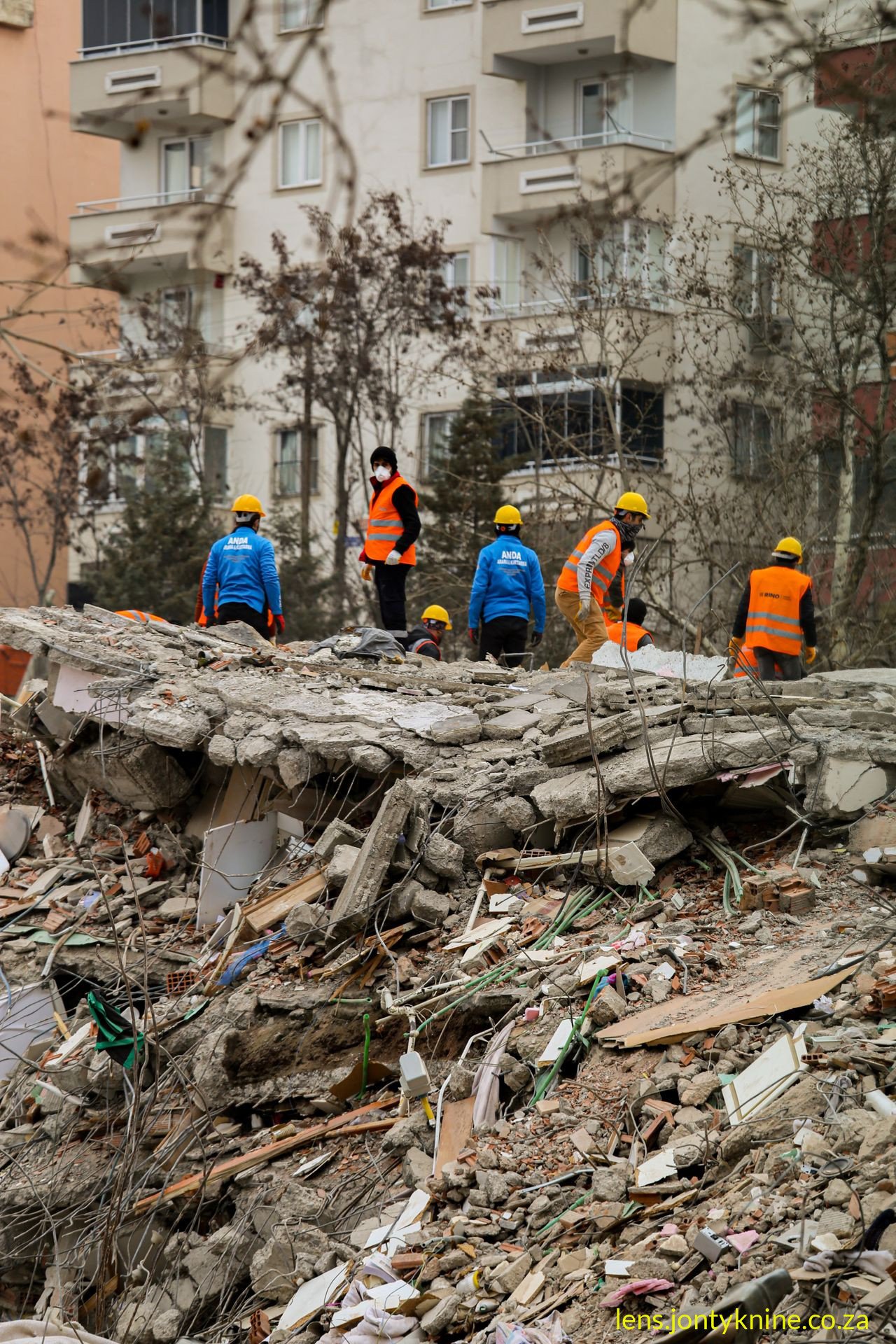






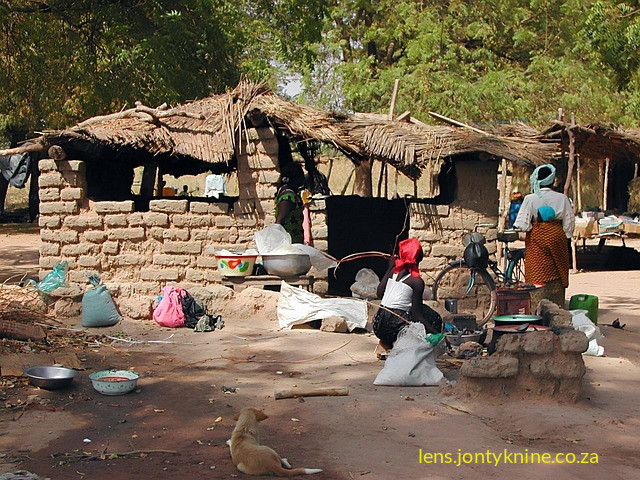
The link between war and poverty in Africa is often described as a vicious cycle (or “conflict trap”): conflict destroys economic infrastructure and social stability, creating extreme poverty—and deep poverty, in turn, fuels grievances, competition over resources, and political instability.
How War Causes Poverty
- Destruction of Infrastructure and Capital
- Conflicts destroy vital physical assets—roads, power grids, schools, hospitals, and water infrastructure.
- Foreign investment dries up, local businesses collapse, and state revenues shrink, diverting government budgets away from public services to military spending.
- Mass Displacement
- Decades of active conflicts—such as those in Sudan, the Democratic Republic of the Congo (DRC), Somalia, and parts of the Sahel—have forcibly displaced tens of millions of people.
- Displaced populations lose their land, livestock, and livelihoods, shifting overnight into extreme poverty and dependence on humanitarian relief.
- Agricultural Collapse & Food Insecurity
- War directly impacts rural communities where the majority of Africans depend on farming. Conflict destroys crops, renders arable land inaccessible due to landmines or active fighting, and disrupts regional supply lines, triggering acute hunger and famine.
- Intergenerational Deprivation
- Conflict shuts down schools and health clinics. Children growing up in conflict zones lose out on education and basic healthcare, reducing their long-term earning capacity and locking families into multi-generational poverty.
How Poverty Drives War
- Resource Competition
- In regions with high poverty and environmental stress (such as the Sahel), scarce land and water lead to clashes between groups (e.g., pastoralists vs. farmers), which can escalate into violent regional conflicts.
- Economic Desperation & Vulnerable Youth
- High unemployment and lack of economic mobility make recruitment into armed non-state groups, militias, or extremist factions an attractive or necessary economic survival strategy for young adults.
- Weak State Governance
- Impoverished states lack the resources to enforce the rule of law, manage local security, or provide basic public services, creating power vacuums that armed groups exploit.