






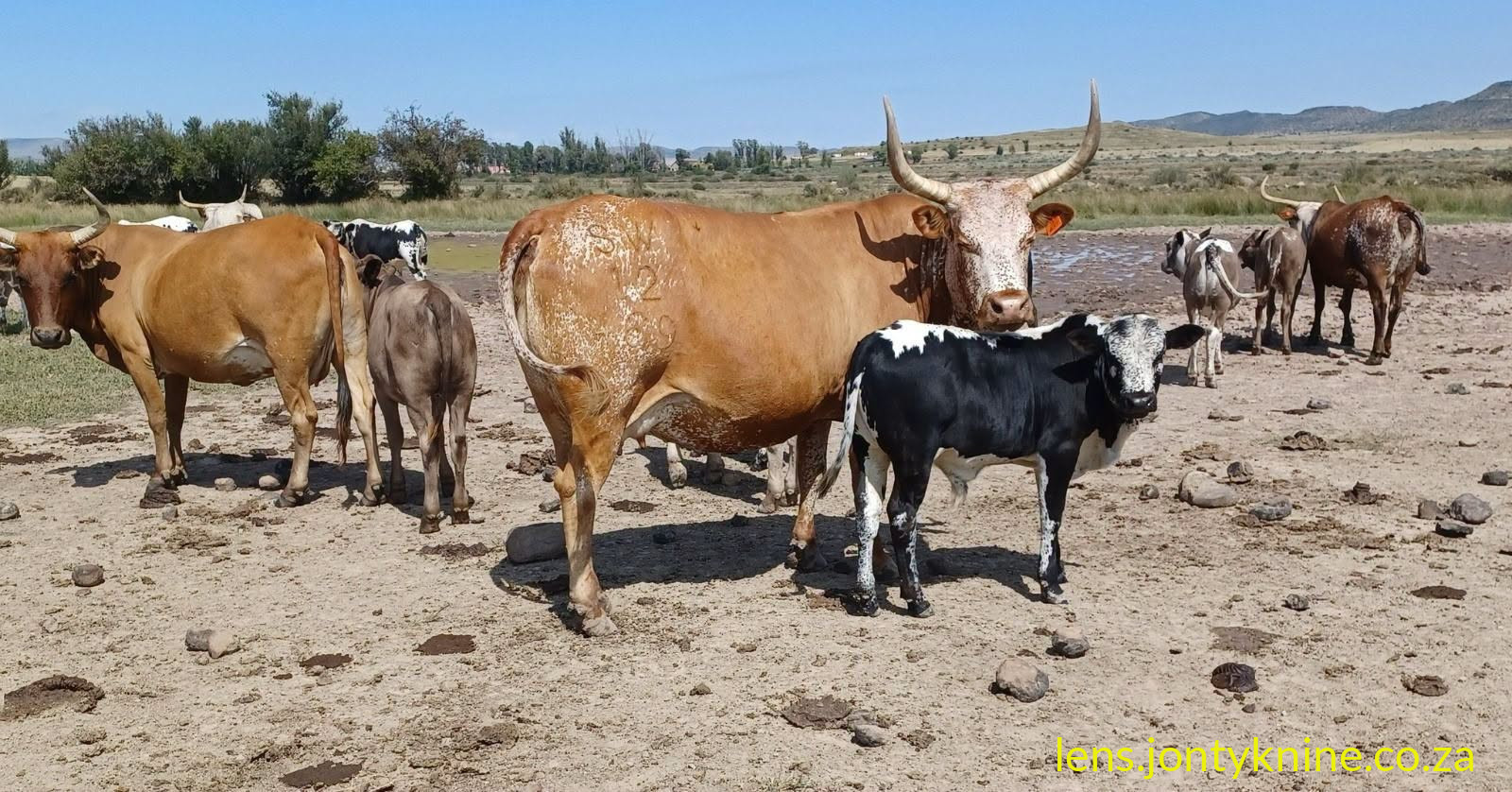
1. Origins and Historical Migration
- Genetic Lineage: Nguni cattle are a sub-type of Sanga cattle, originating from a genetic combination of European/North African taurine cattle (Bos taurus) and zebu cattle (Bos indicus).
- Southward Migration: Ancestors of the Nguni people (including the Zulu, Xhosa, Swazi, and Ndebele nations) brought these cattle along during their centuries-long southward migration across the African continent, crossing the Zambezi River between 600 and 700 AD.
- Natural Selection & Hardiness: Through hundreds of years of evolutionary interaction with harsh environments, seasonal droughts, and local parasites, the breed developed natural resistance to tick-borne diseases, high heat tolerance, and exceptional foraging abilities.
2. Cultural & Spiritual Significance
In traditional Southern African societies, cattle were far more than livestock—they represented power, spirituality, and social harmony:
- Symbol of Wealth & Status: Herd size directly reflected a leader’s or family’s social standing and economic prosperity.
- Lobola (Bridewealth): Cattle serve as the central medium in lobola negotiations, cementing kinship bonds and family ties during marriage.
- Homestead Layout (Isibaya): Traditional Zulu homesteads (kraals) are designed around a central cattle enclosure, reinforcing the physical and cultural centrality of the herd in daily life.
- Poetic Naming Traditions: The Zulu culture possesses over 300 terms to describe cattle hide patterns and horn shapes, drawing vivid metaphors from nature (e.g., “the gaps between tree branches against the sky” for a deeply dappled coat, or “flies in the milk” for black spots on white).
3. Military & Regal Importance
- Warrior Shields (Izihlangu): During the 19th century—most famously under King Shaka Zulu—Nguni cattle hides were used to craft regimental shields.
- Regimental Identification: Hides were assigned by color to specific regiments: younger warriors carried black-dominated shields, experienced regiments carried red patterns, and older/veteran units carried predominantly white hides.
- Royal Herds: Pure white cattle (Inyoni Kayiphumuli) were held in high esteem and reserved specifically for the royal herd of the king.
4. Key Physical Characteristics
- Distinctive Coat Patterns: No two Nguni hides are identical. They display a kaleidoscope of colors—black, white, brown, red, dun, and yellow—in unique spotted or dappled patterns.
- Adaptive Features: Medium/small frame size (bulls ~500–600 kg; cows ~300–400 kg) allows them to thrive in rugged, hilly terrain.
- Longevity & Fertility: Nguni cows are renowned for easy calving due to their sloping rumps, strong mothering instincts, and long productive lives (often bearing 10+ calves).