














Nature’s Master Architects: The Charm of the Cape Weaver
When exploring the vibrant flora and fauna of southern Africa, few bird species capture the lively spirit of the landscape quite like the Cape Weaver (Ploceus capensis). Known for their social nature, distinctive chirping, and masterful weaving skills, these bright feathered visitors bring continuous energy and charm to local gardens, wetlands, and woodlands.
Master Craftsmen of the Canopy
The Cape Weaver gets its name from its incredible instinct to weave elaborate, kidney-shaped hanging nests out of grass blades and palm fibers. Male Cape Weavers do the bulk of the construction work to attract potential mates. A single male will build multiple nests in a colony, suspended from tree branches over water or open ground. Females inspect each structure for durability and craftsmanship before choosing a home to line with soft leaves and feathers.
Spotting the Cape Weaver
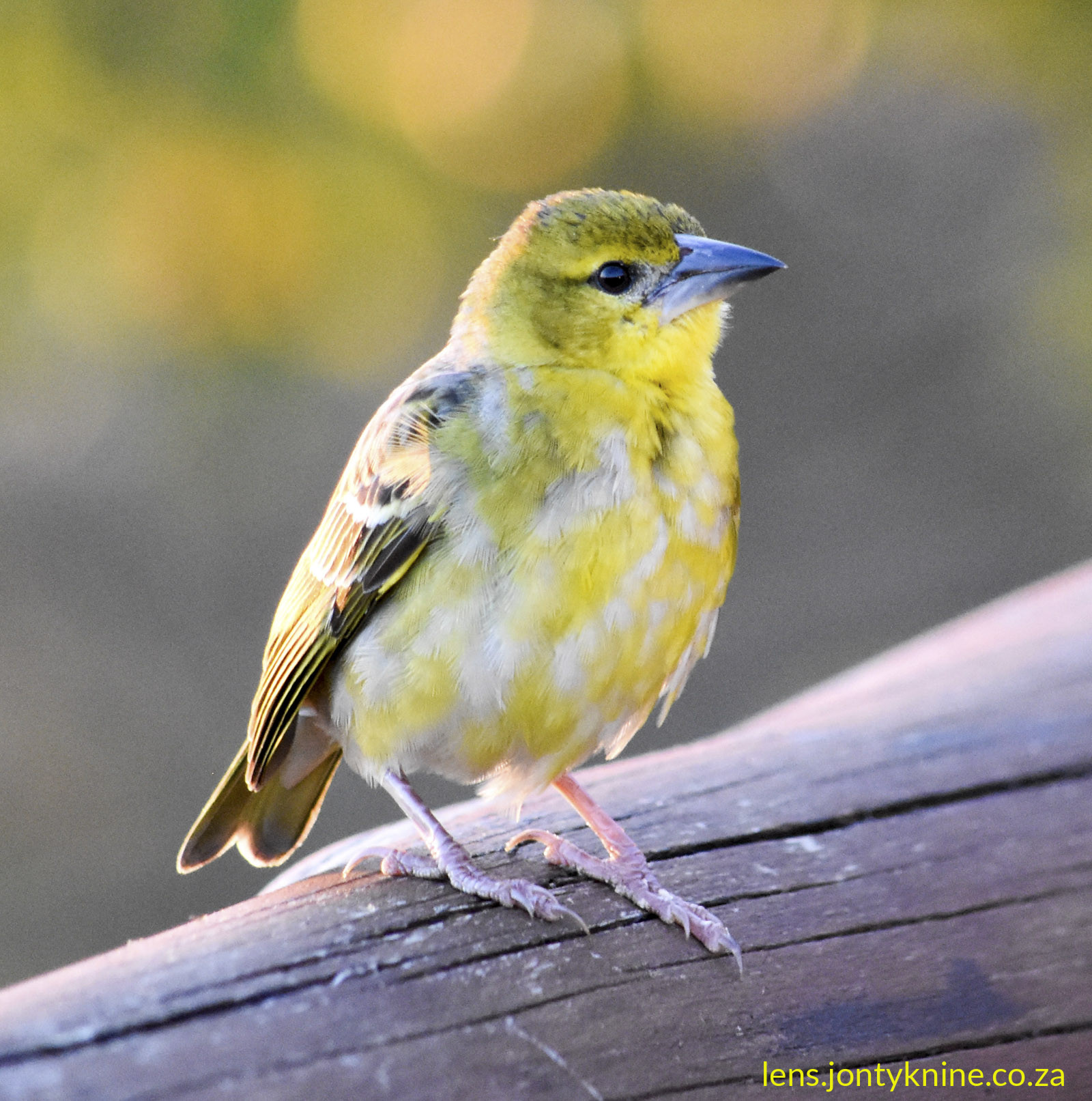
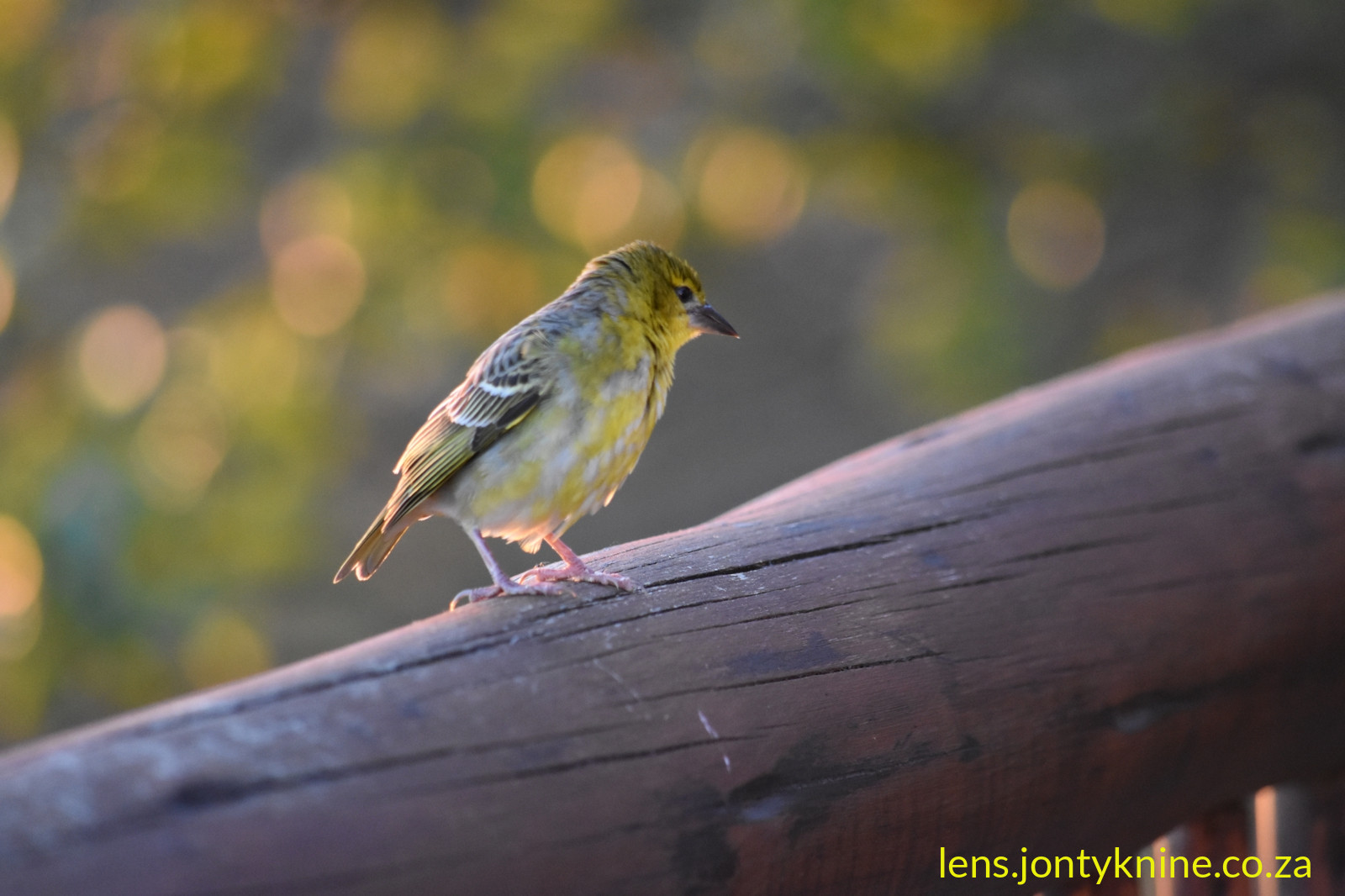
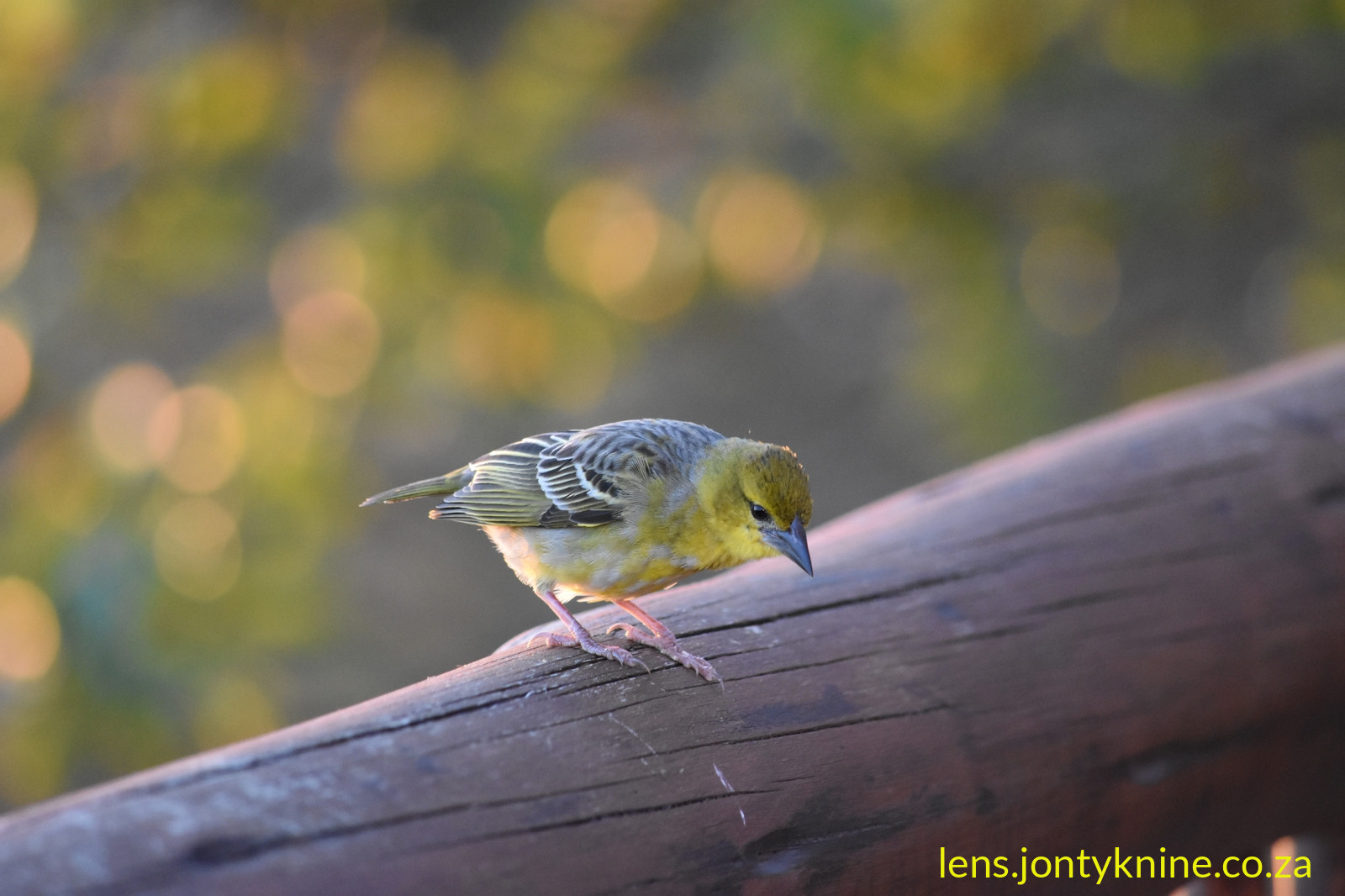
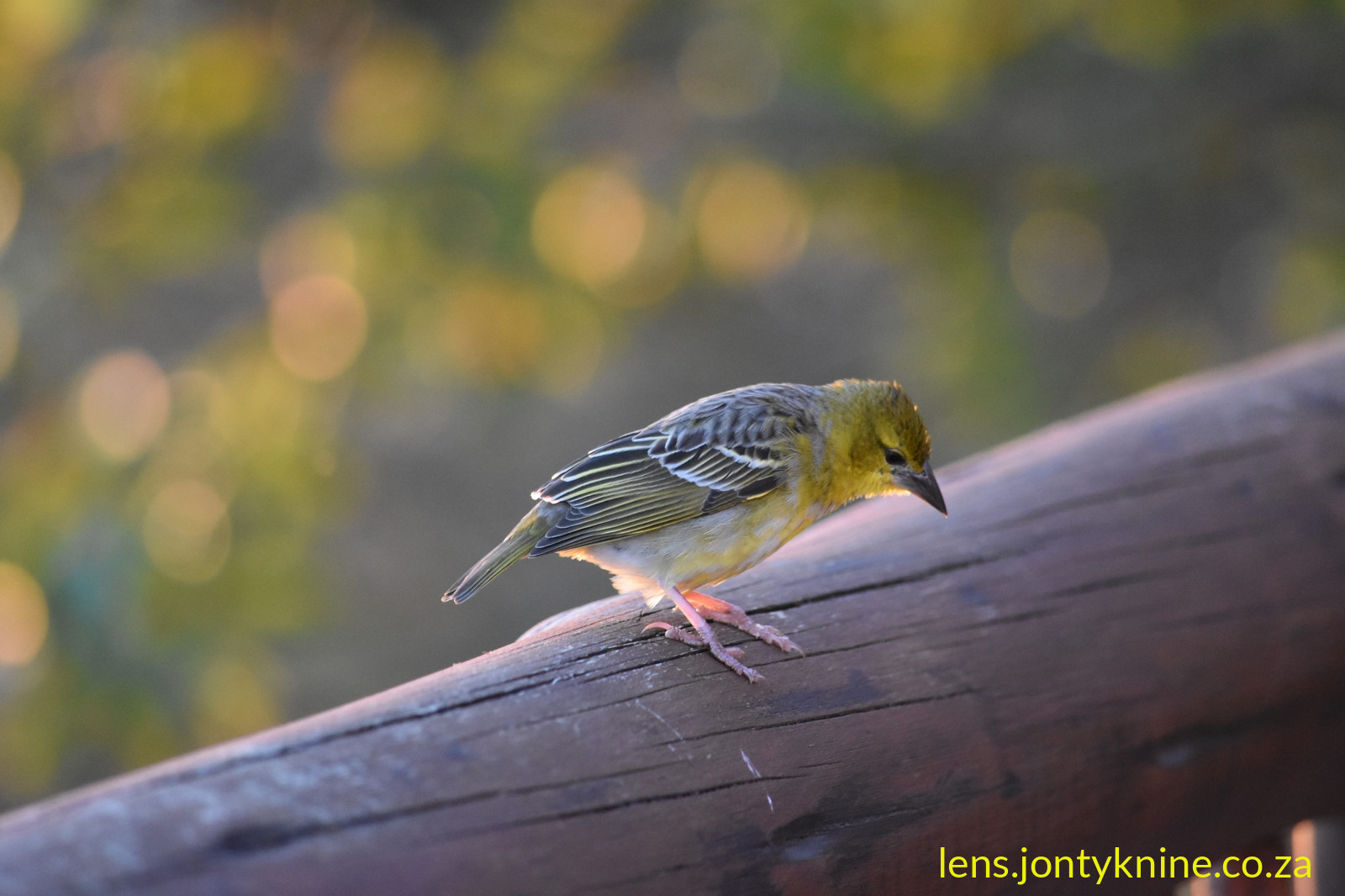
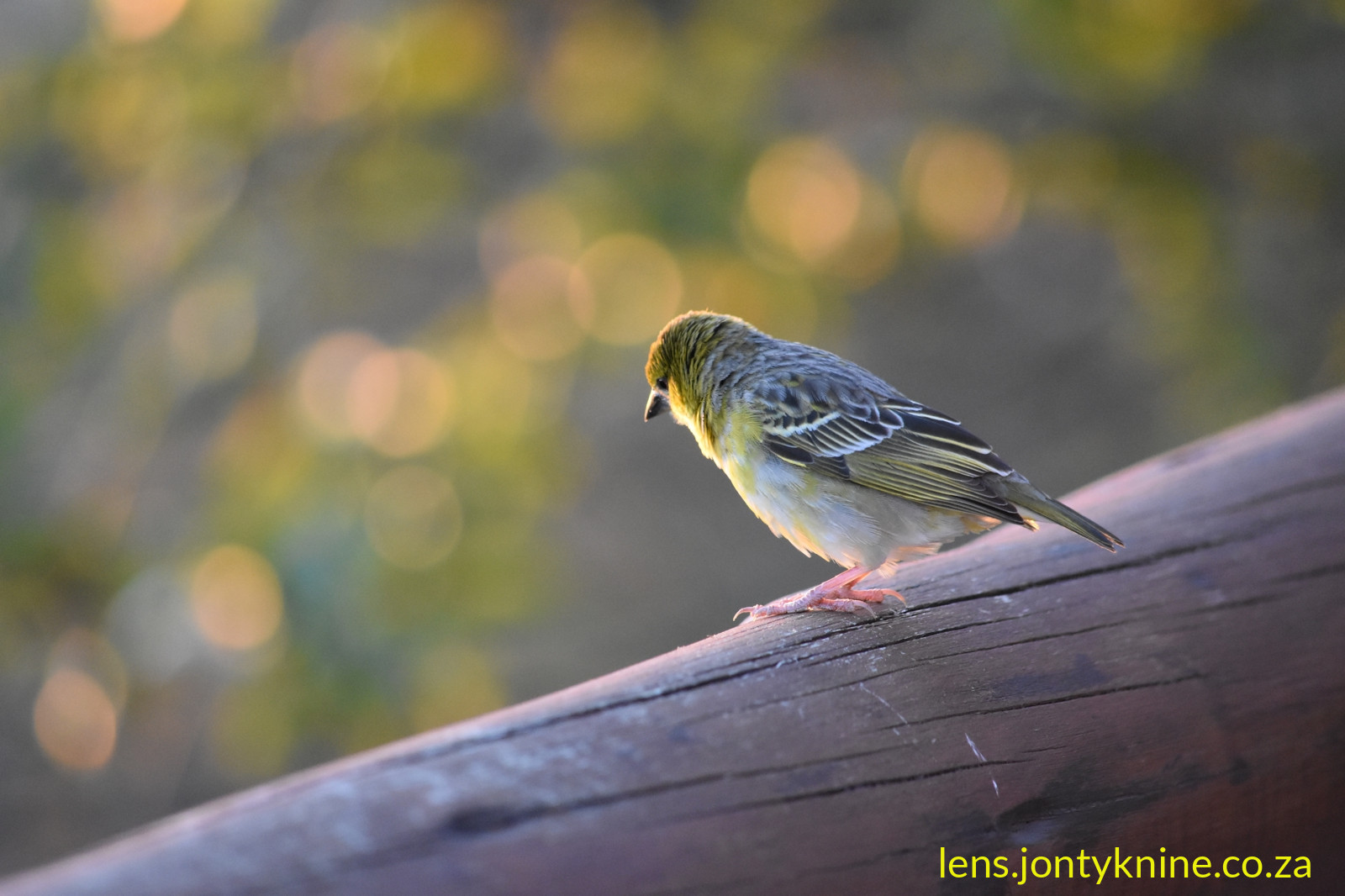
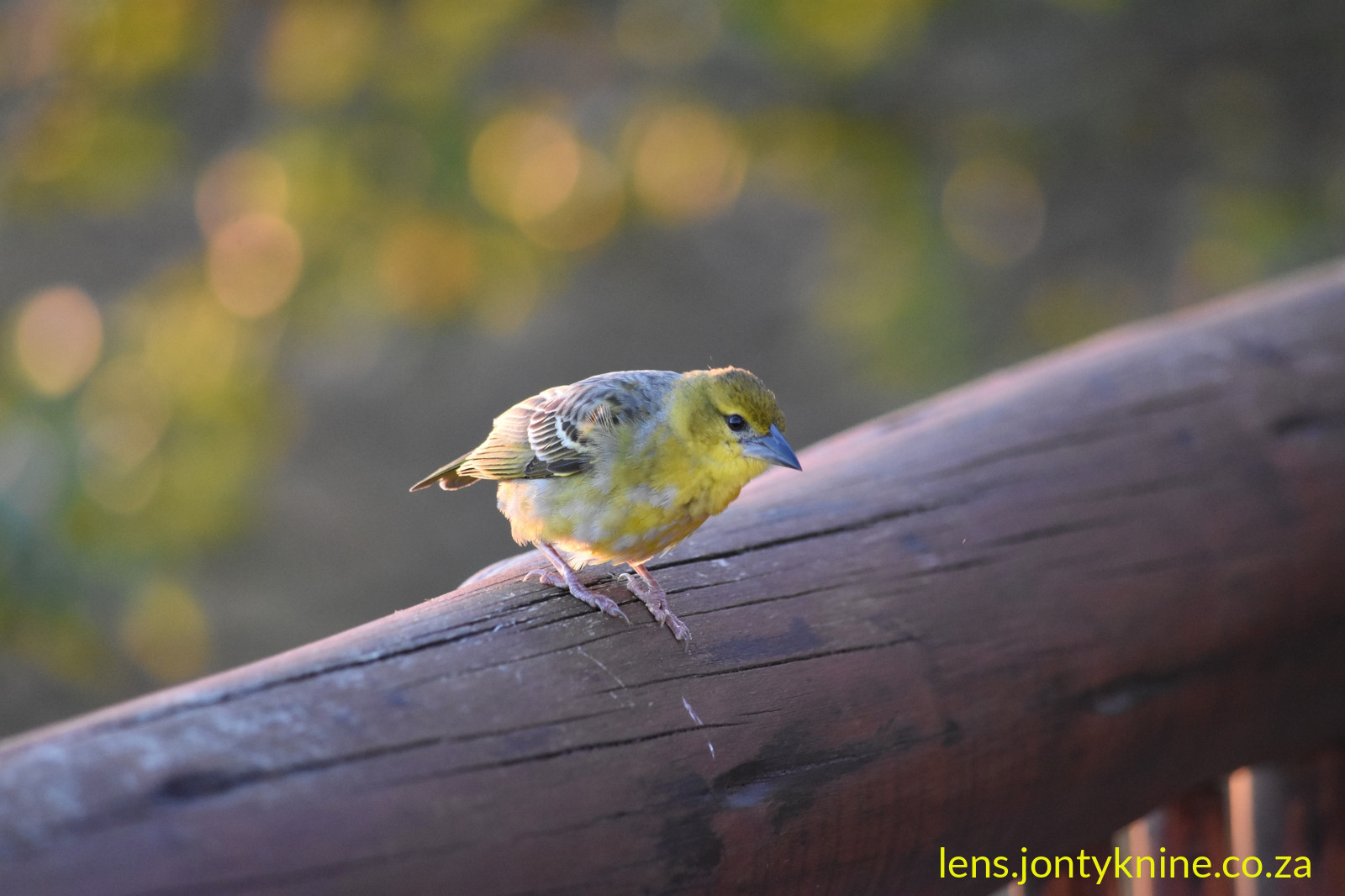
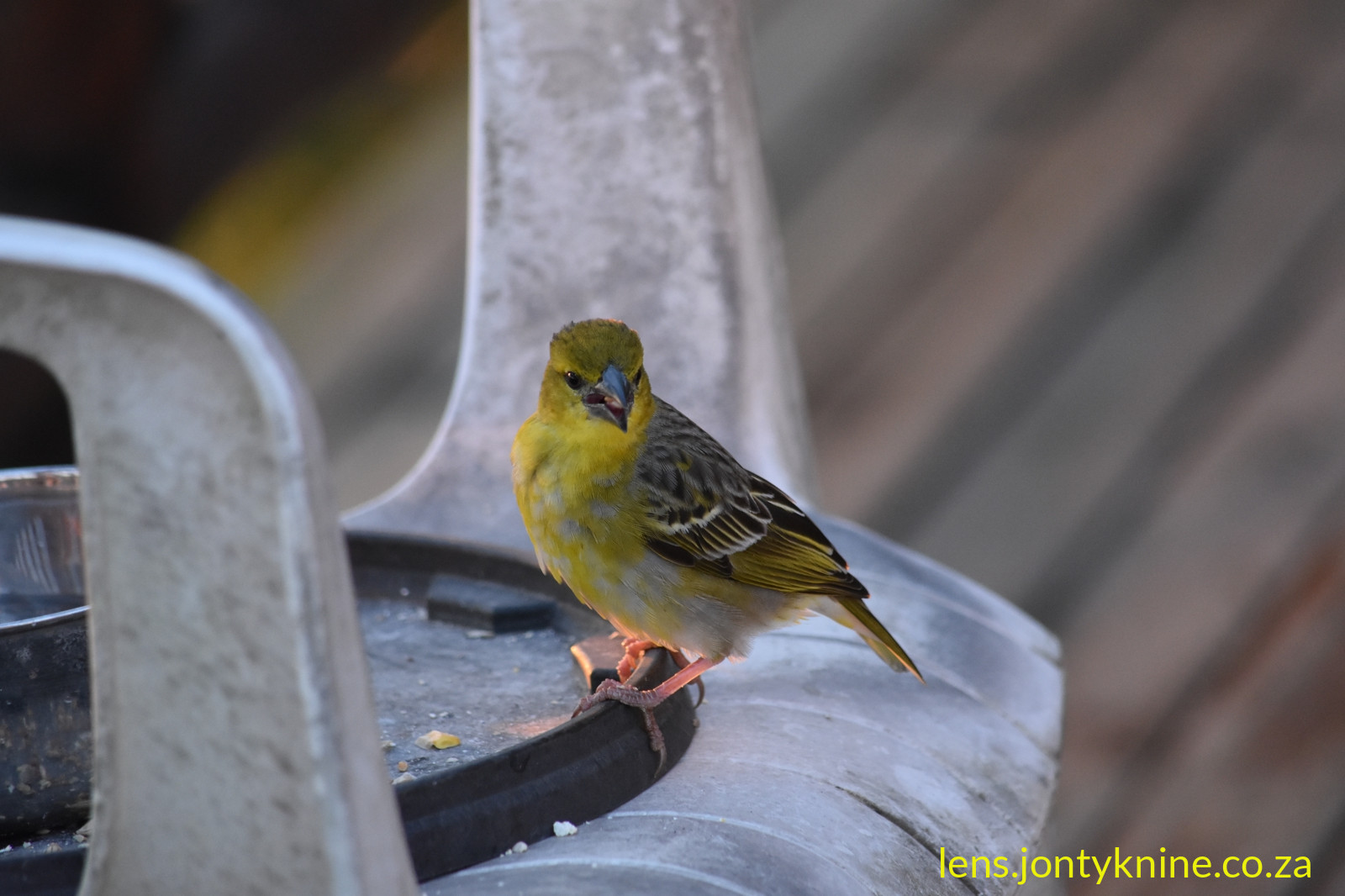
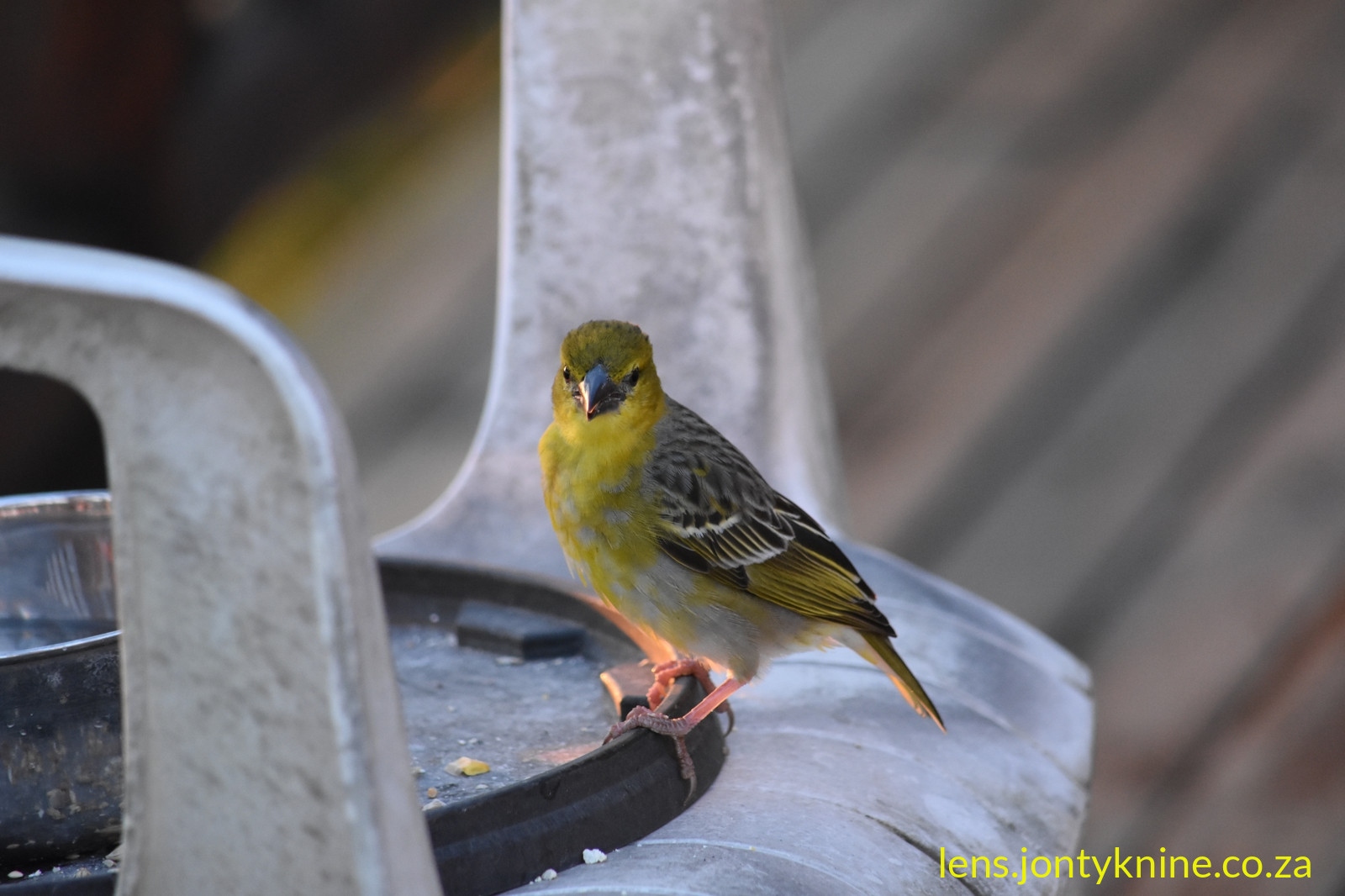
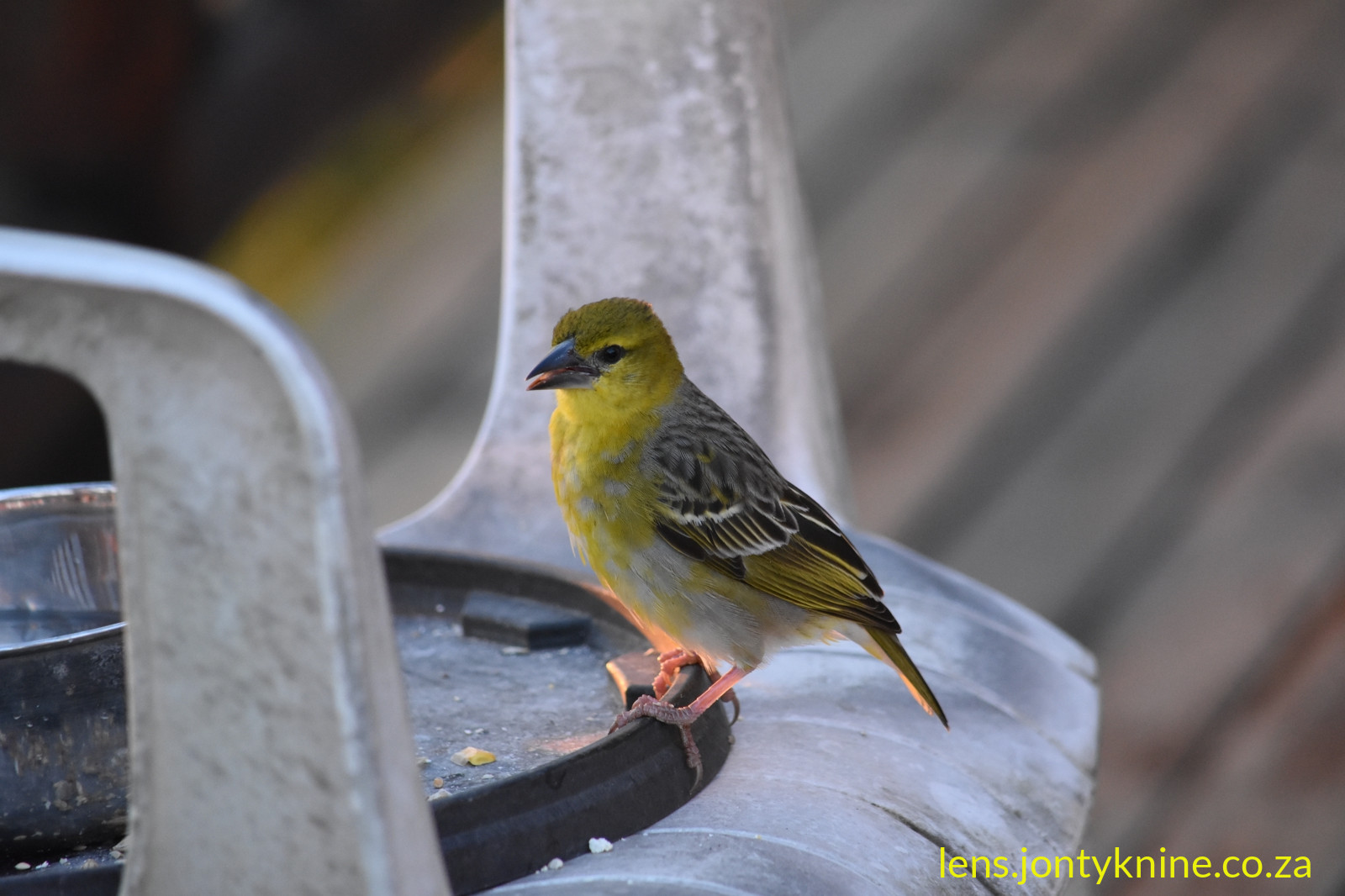
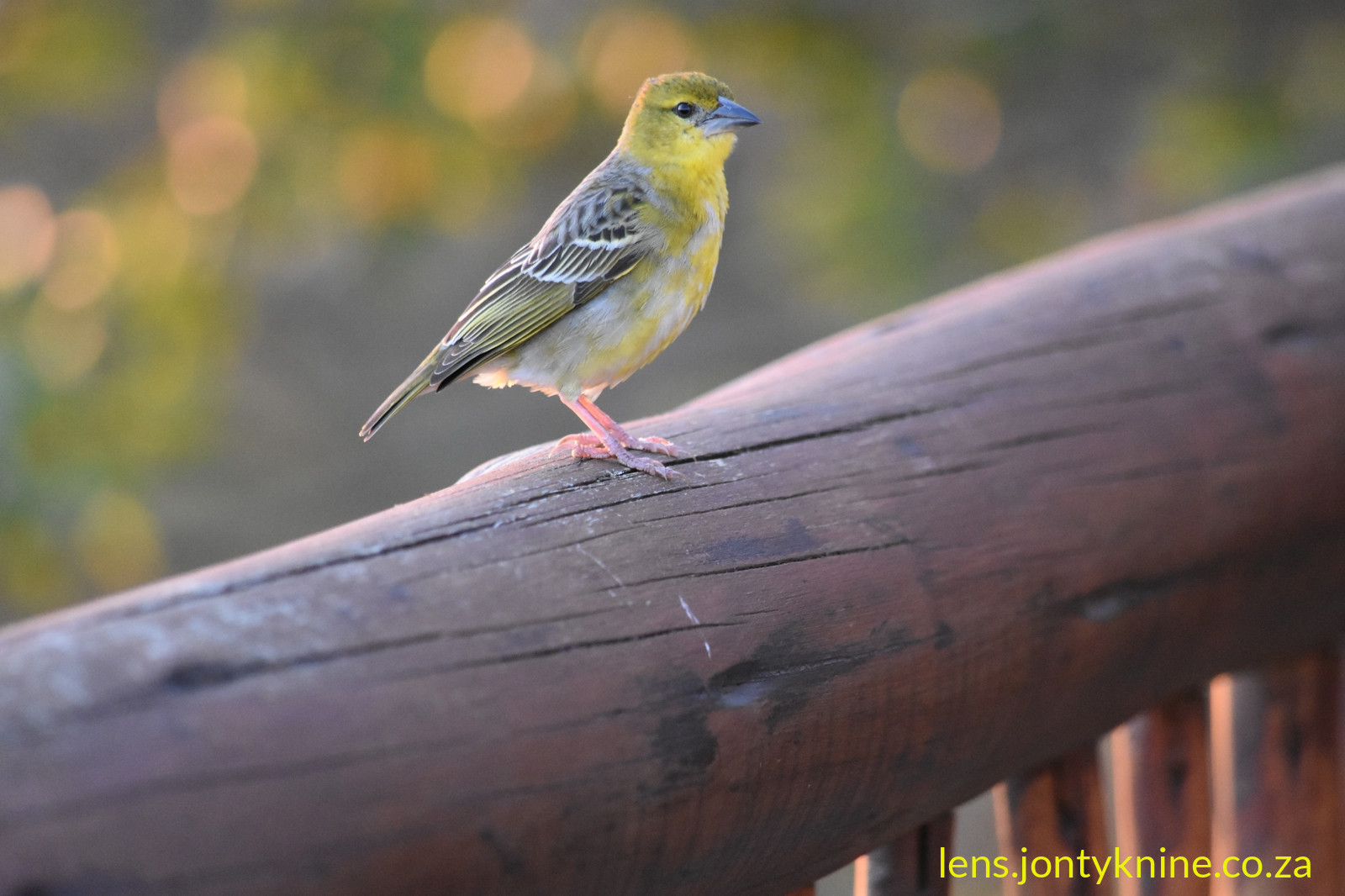
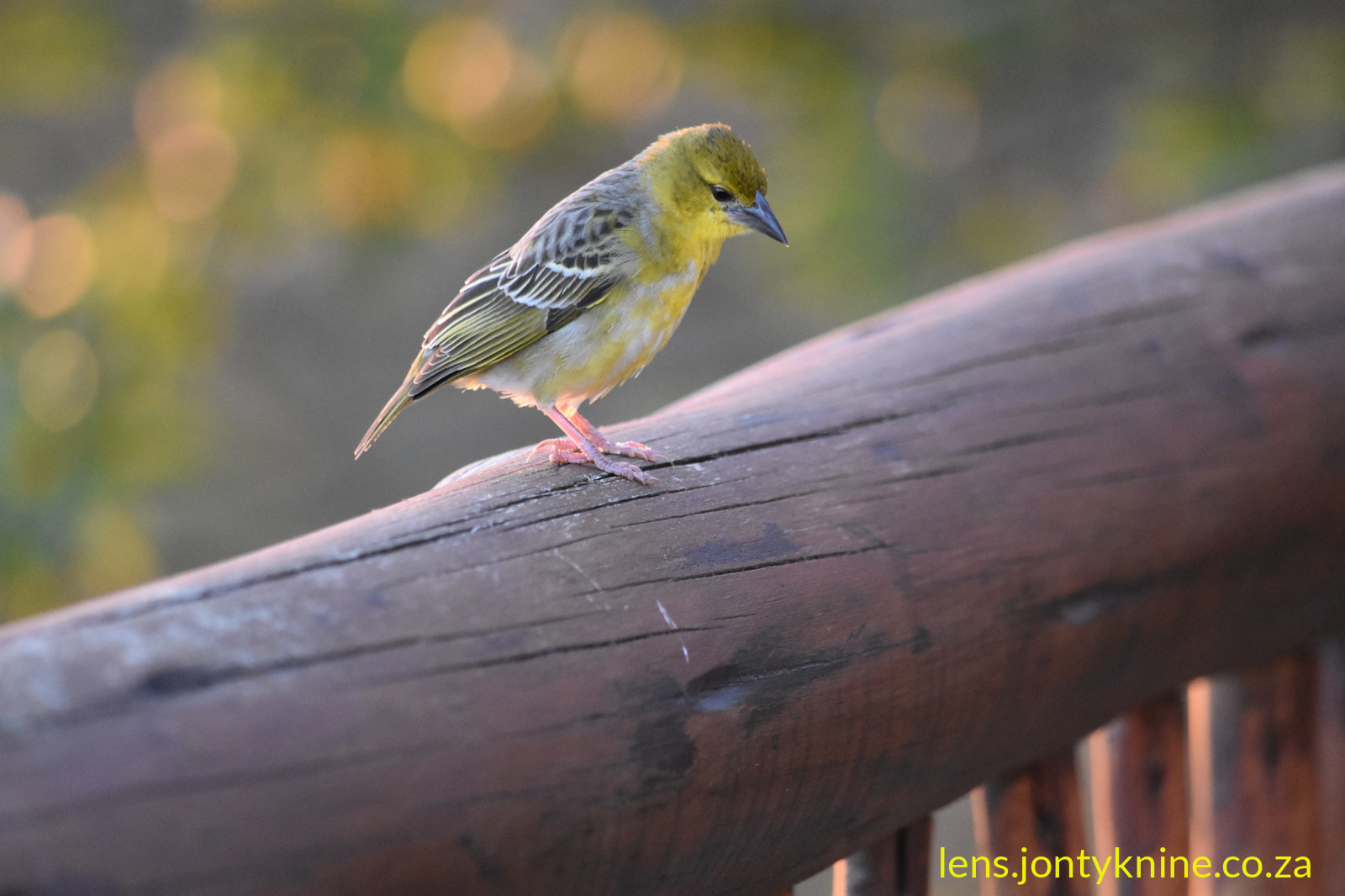
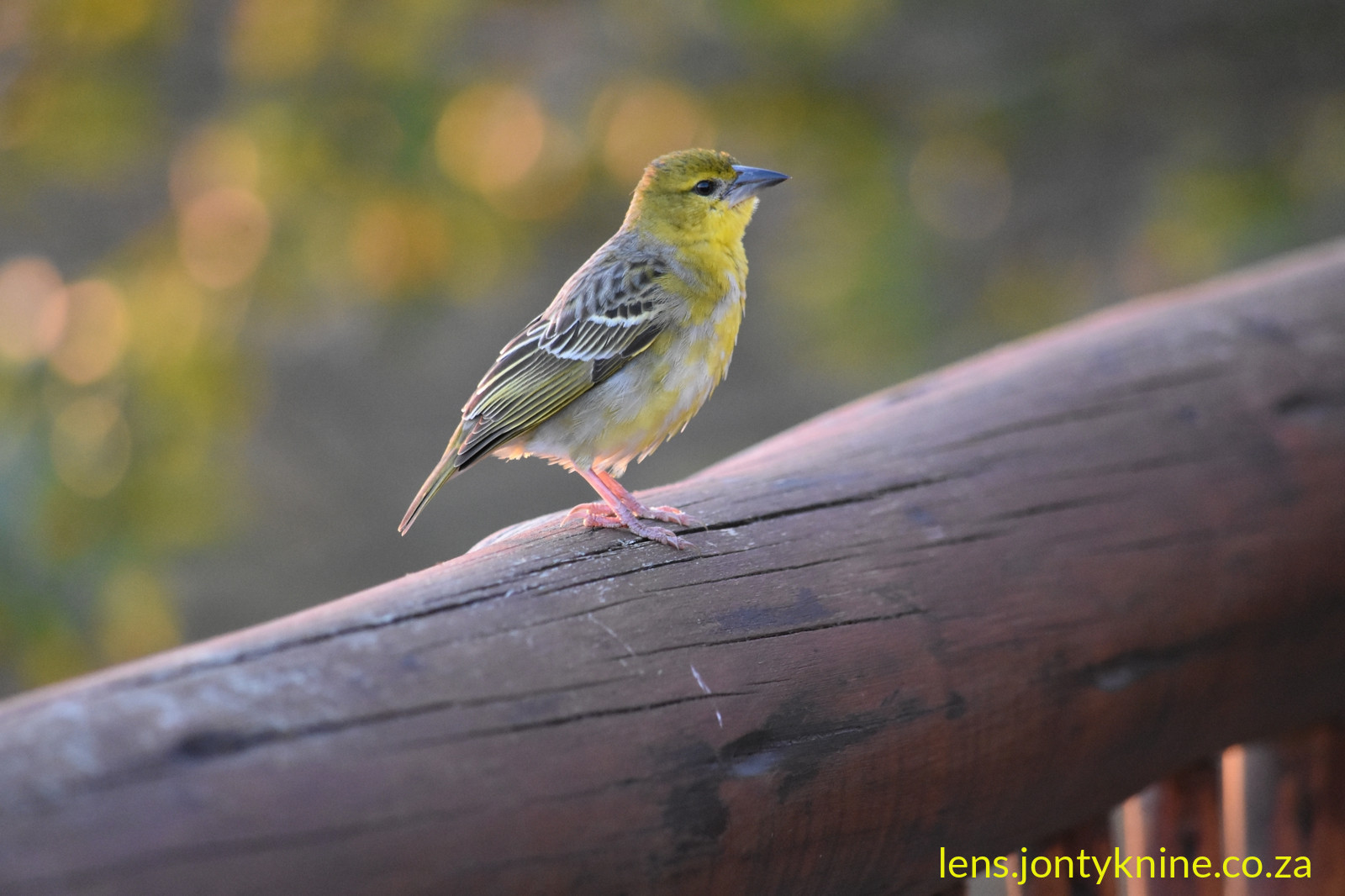
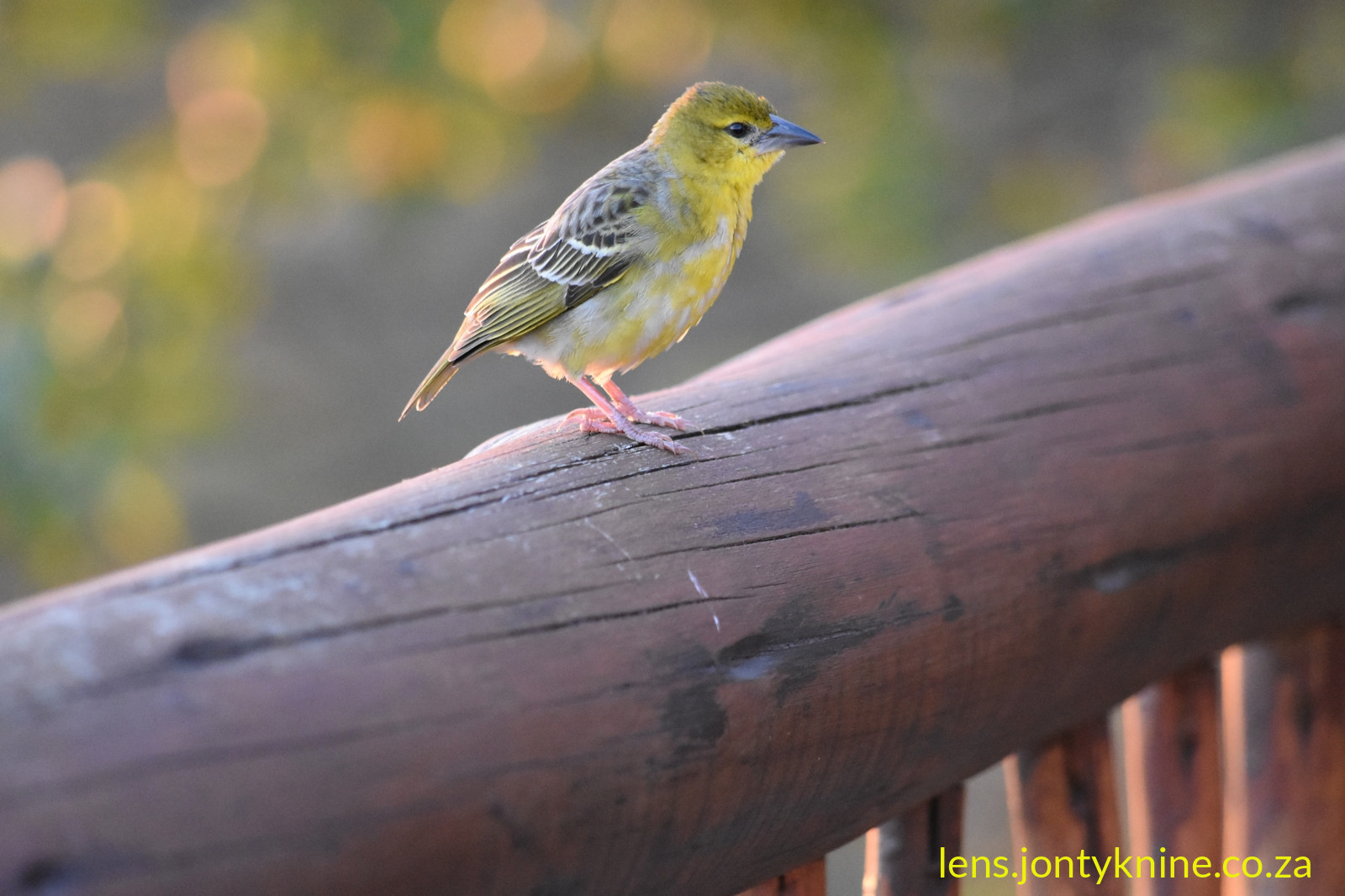
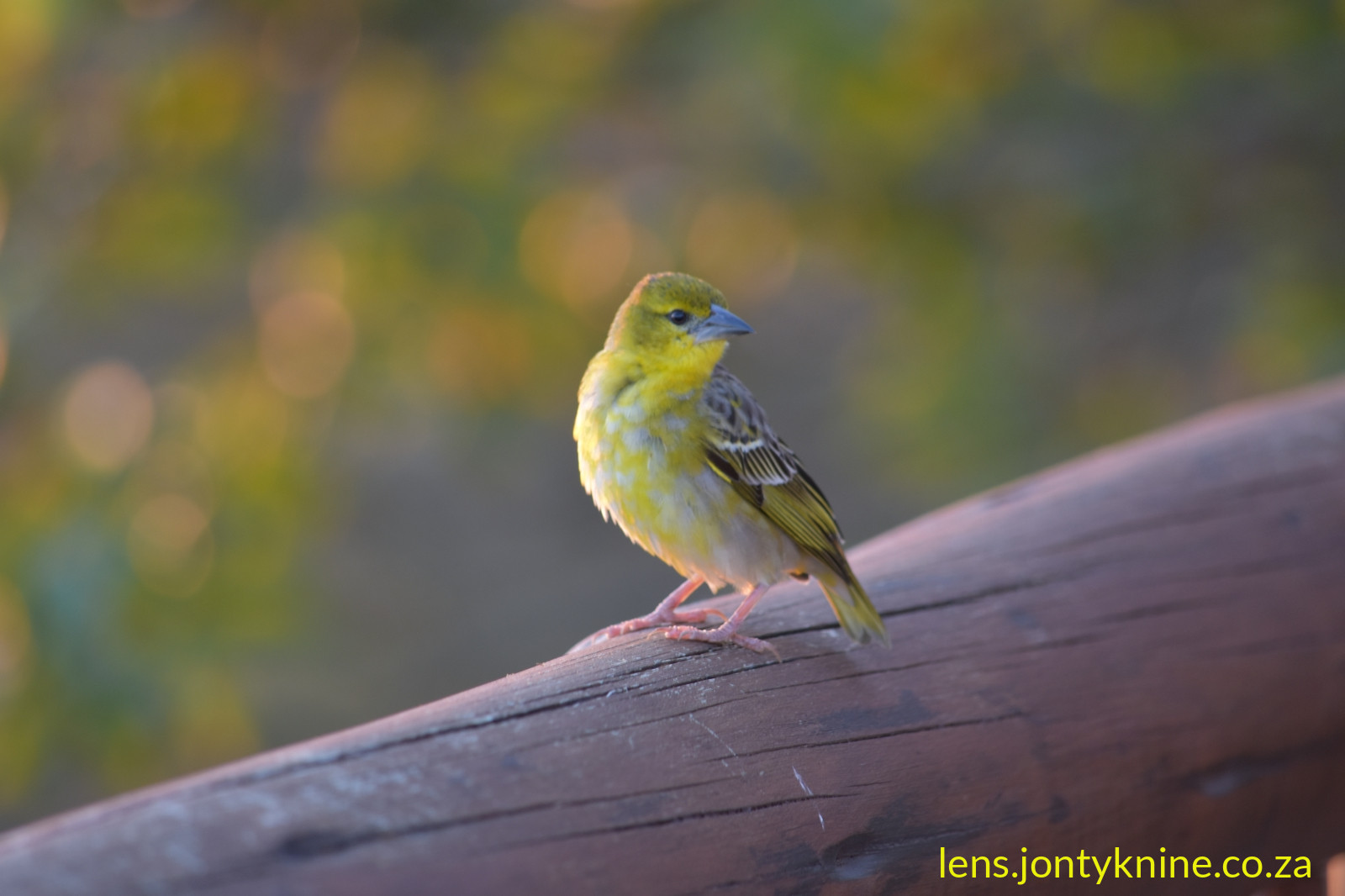
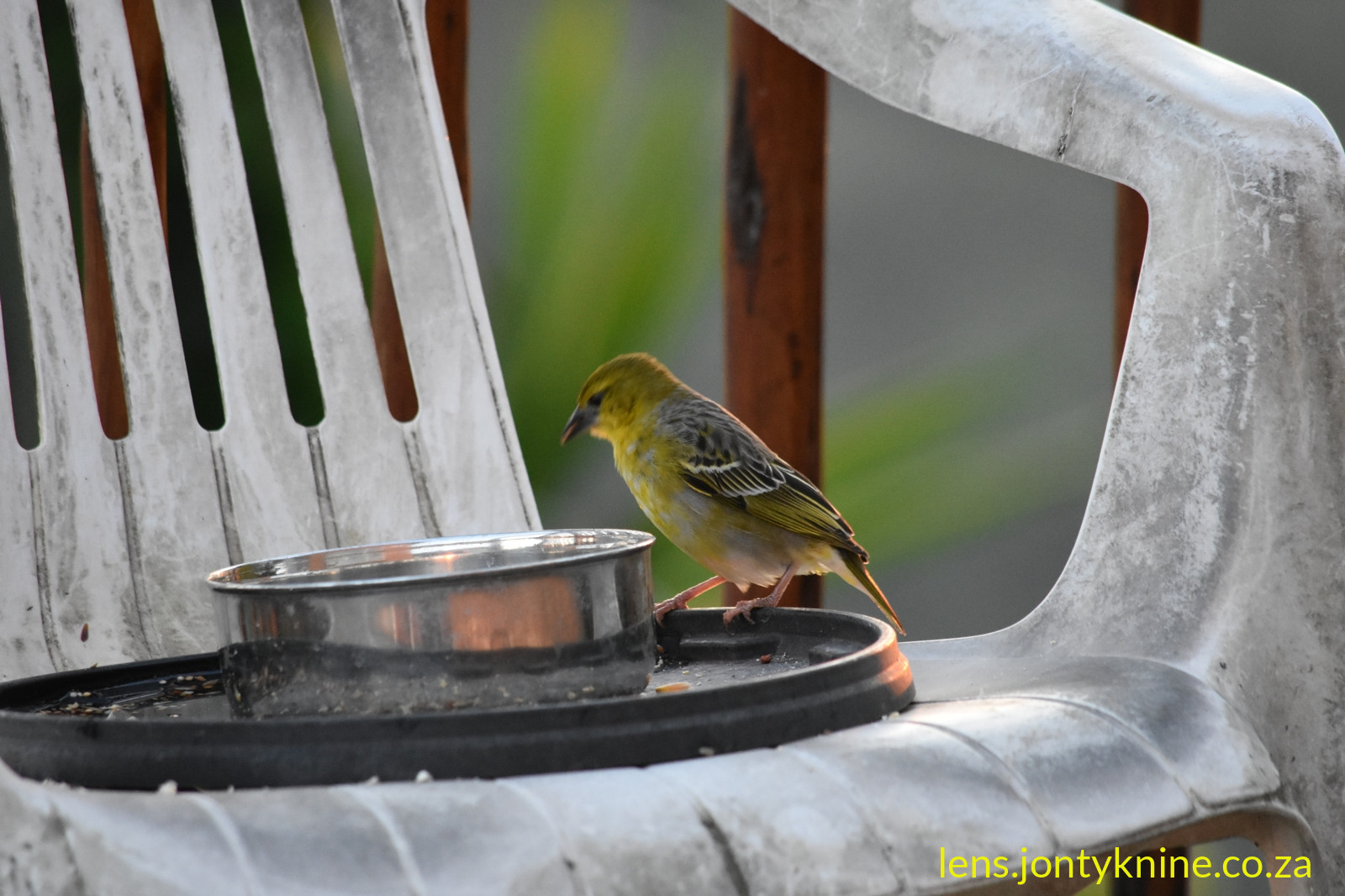
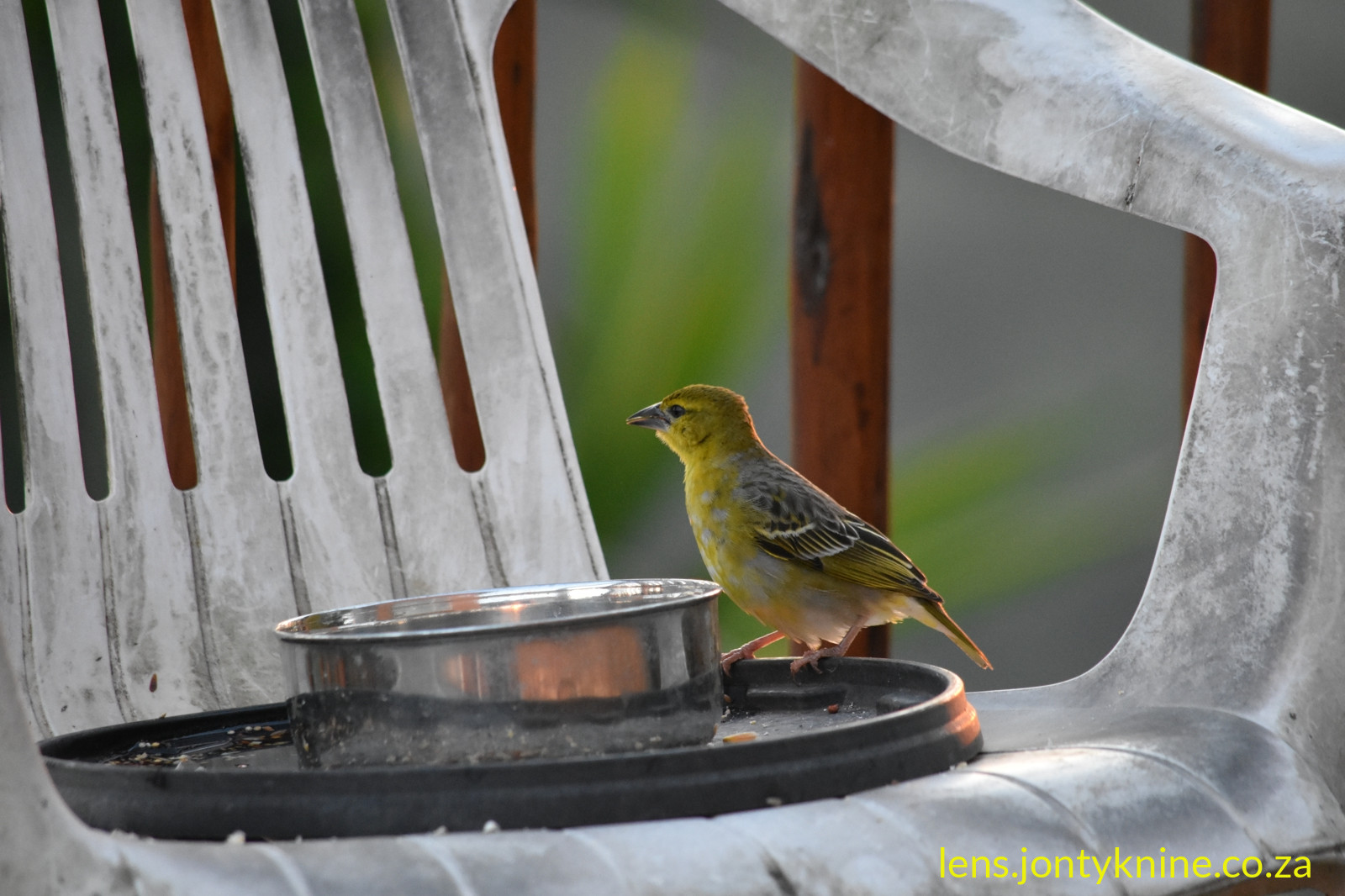
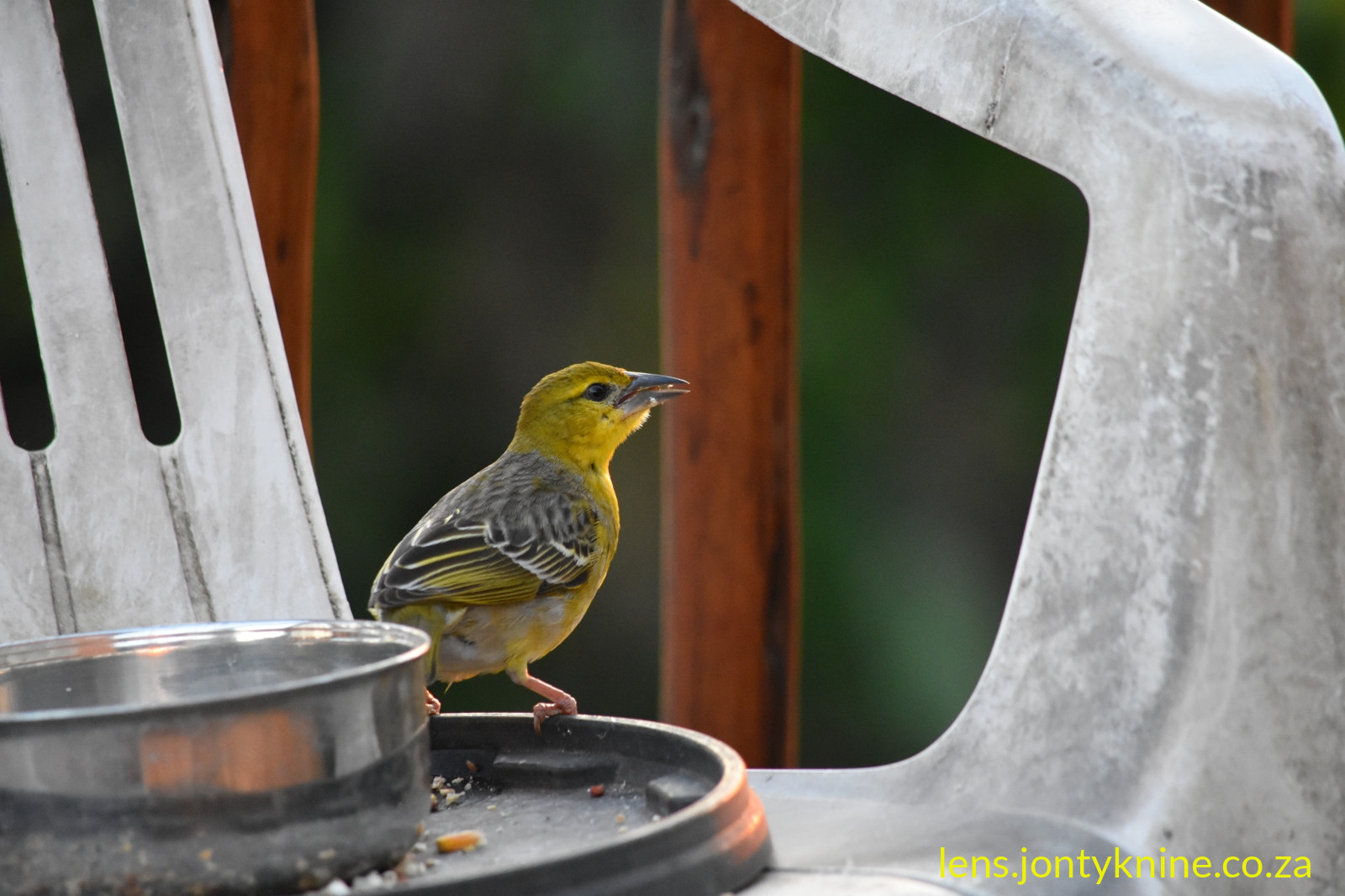
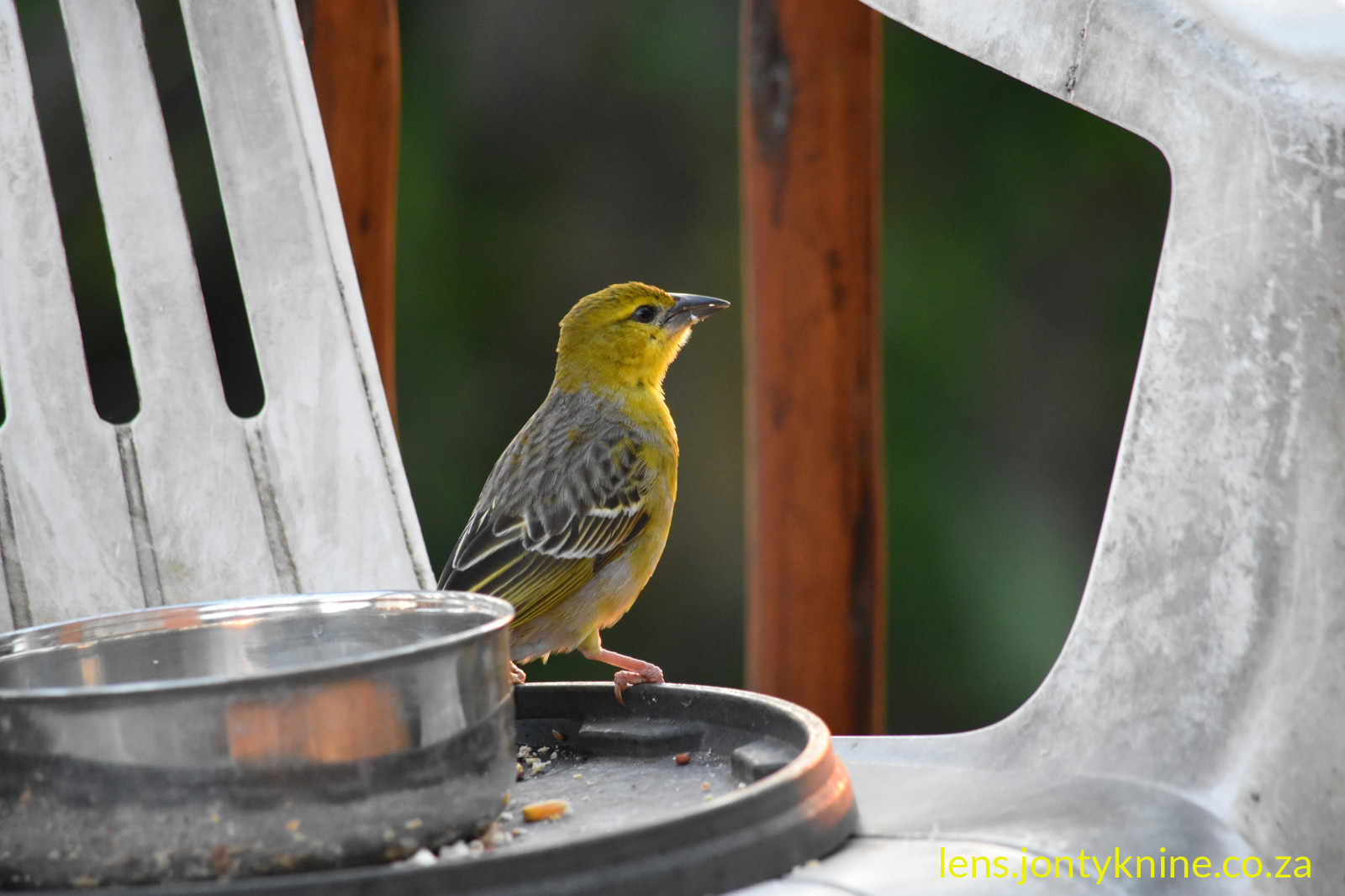
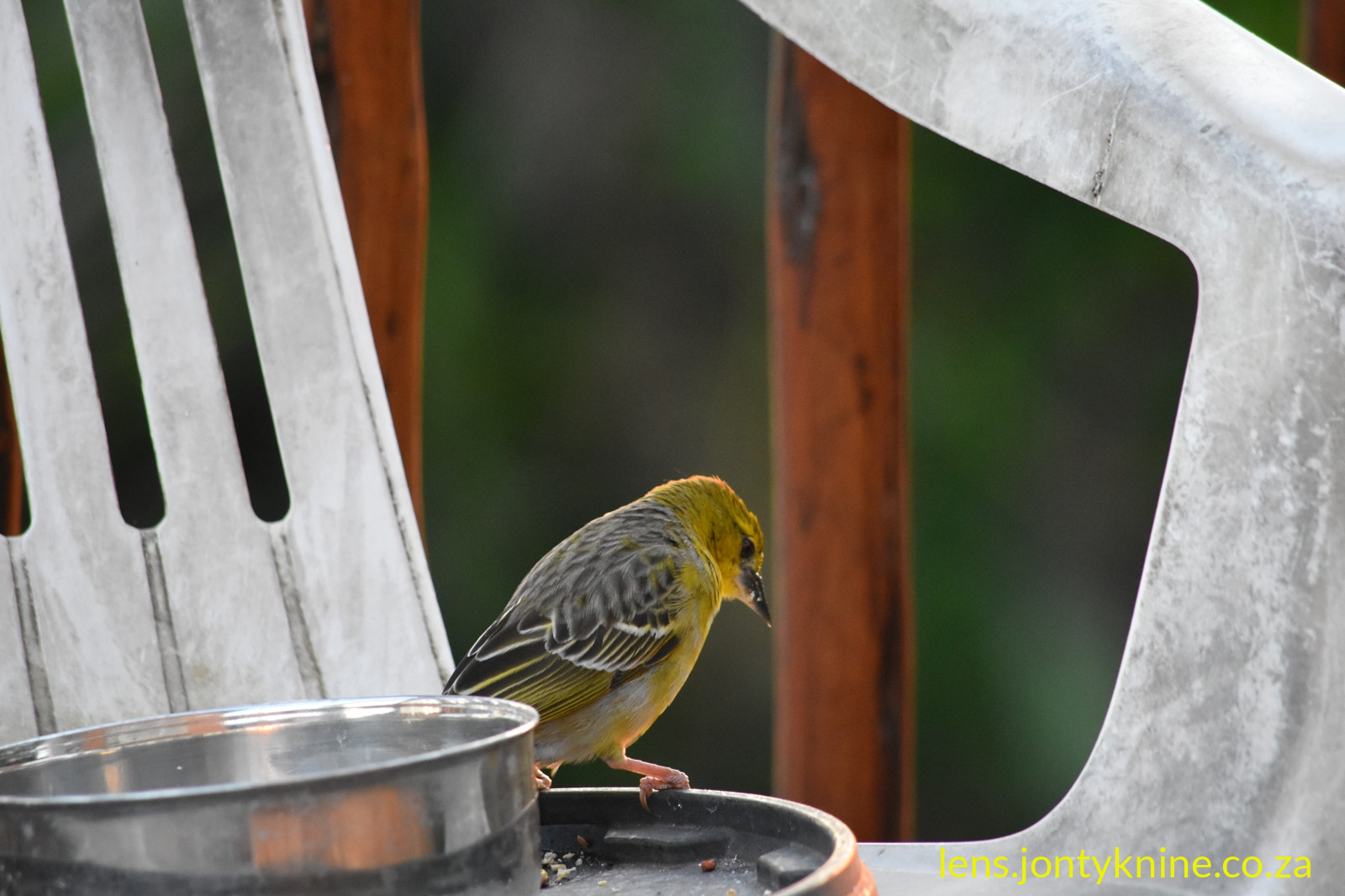
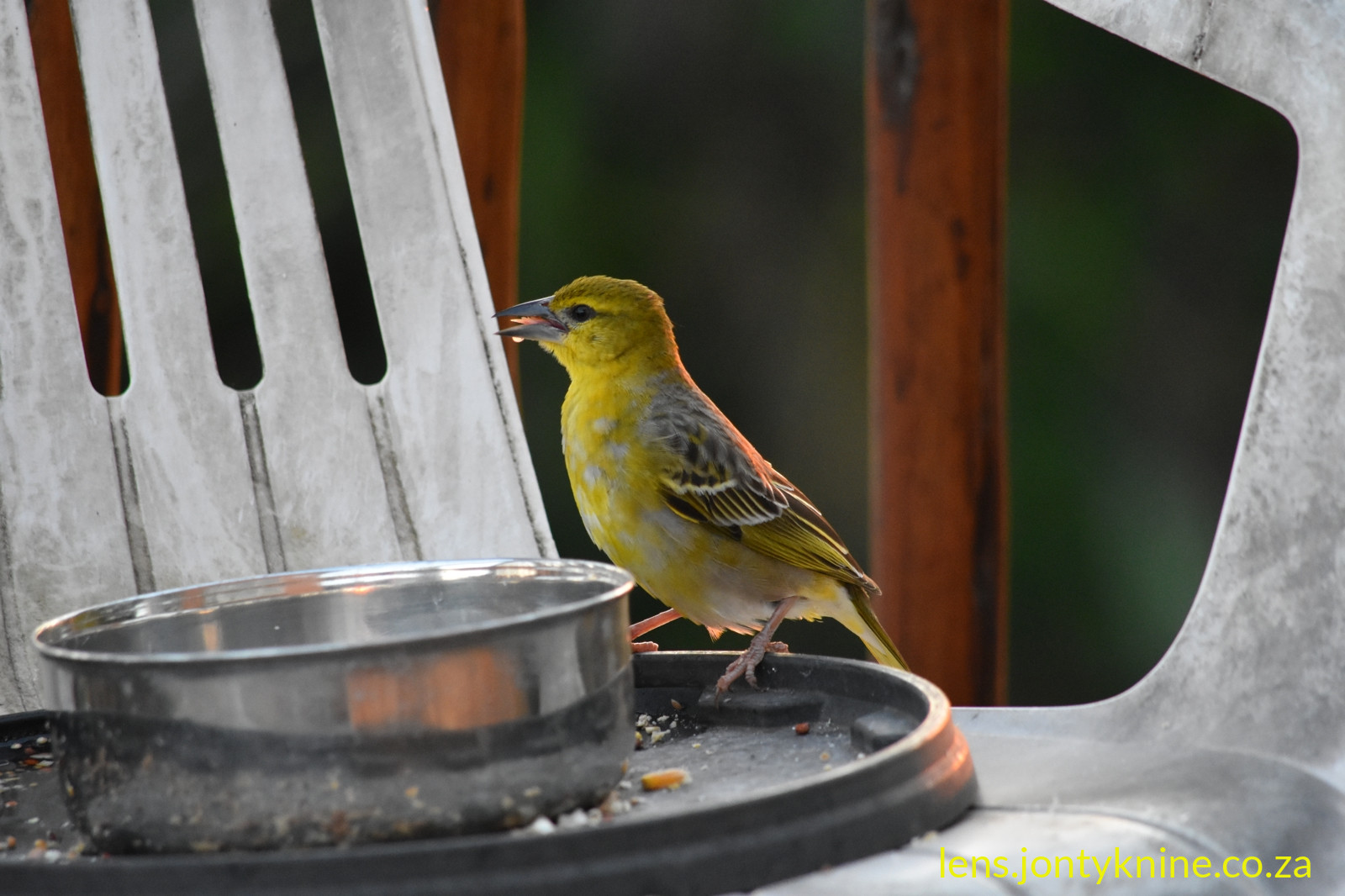
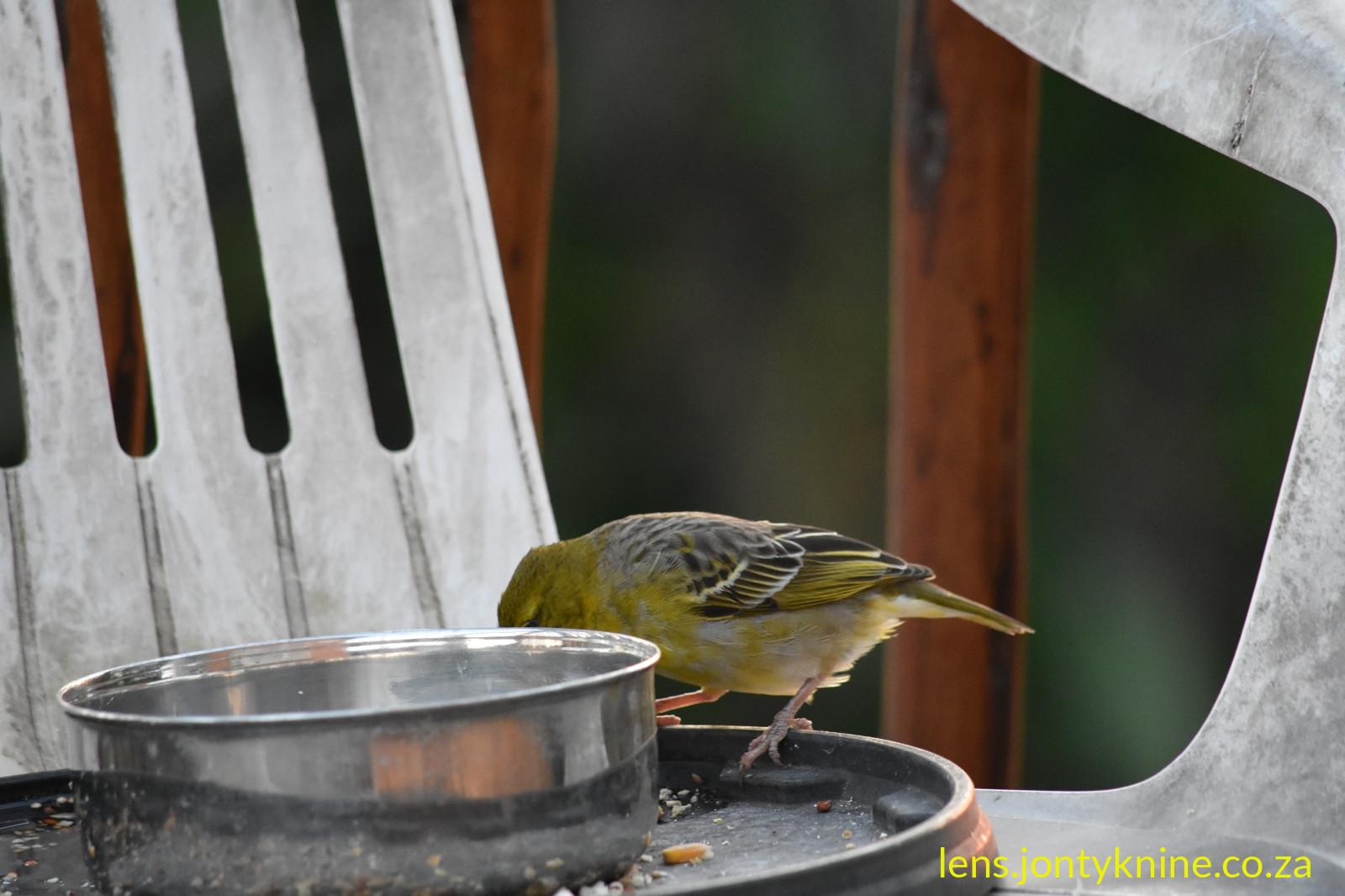
While breeding males feature brilliant yellow heads and subtle orange-flushed faces, females and non-breeding adults display a more delicate palette:
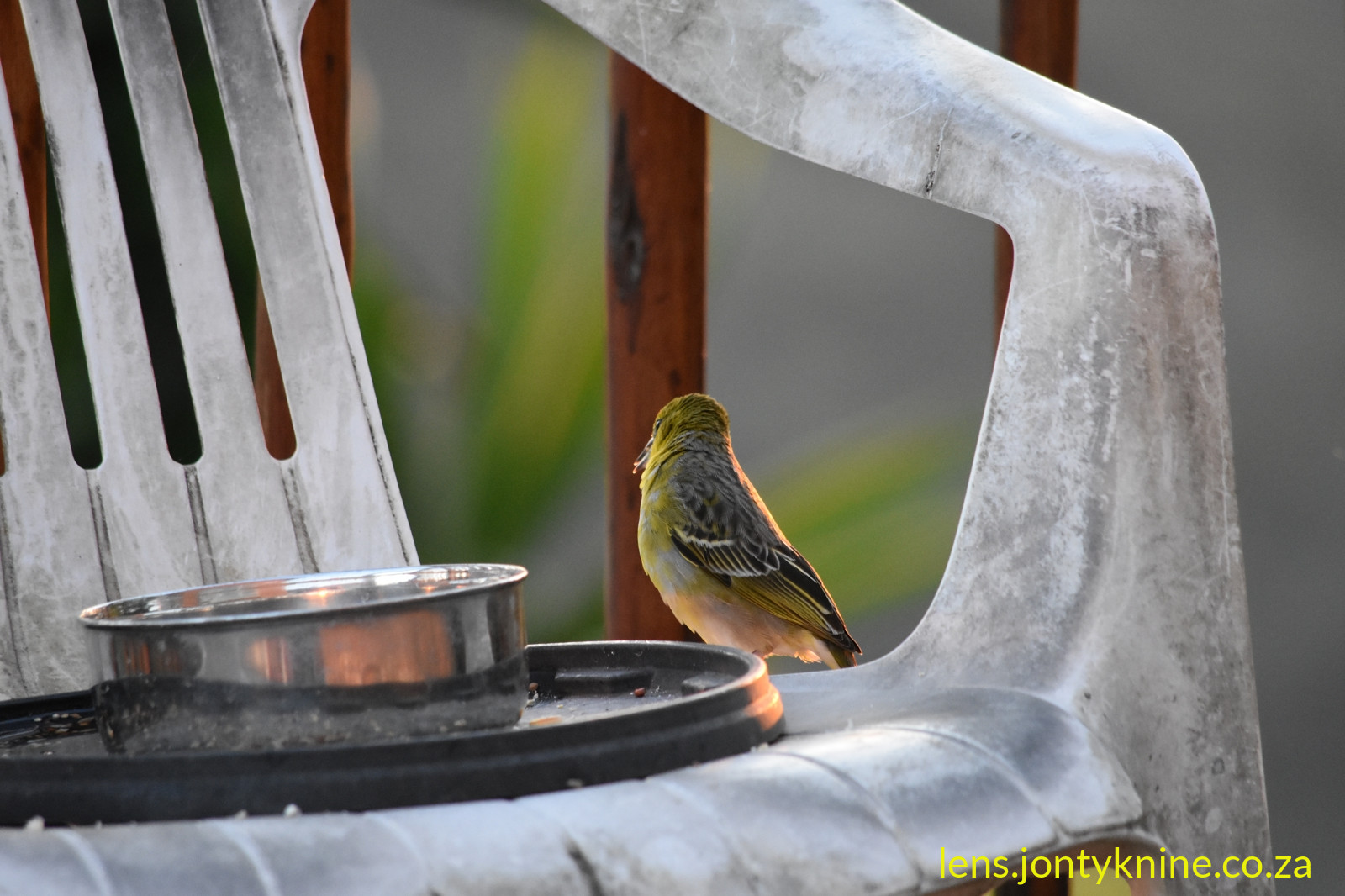
- Plumage: Olive-brown streaked upperparts with warm yellowish-buff tones on the throat and chest fading to a lighter underbelly.
- Beak & Structure: A strong, pointed conical bill perfect for cracking seeds, foraging under bark, and lacing grass together.
Garden Allies & Aloe Pollinators
Cape Weavers play a vital role in local ecosystems. Although primarily seed-eaters, they are opportunistic omnivores that feed on insects, fruit, and floral nectar. In fact, they are considered primary pollinators for native aloe species, often ending up with bright orange pollen dusting their foreheads as they feed from blossom to blossom!