



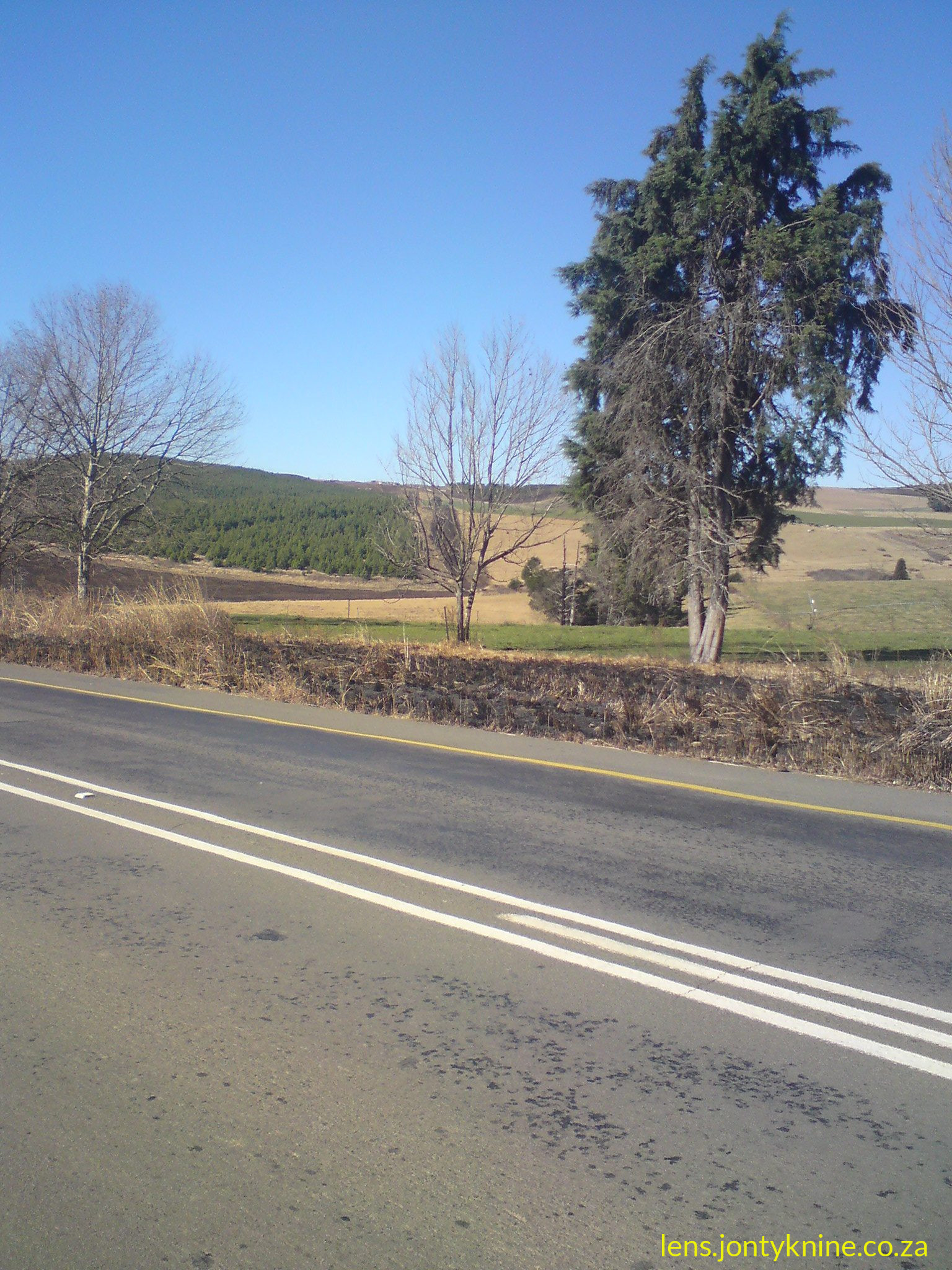
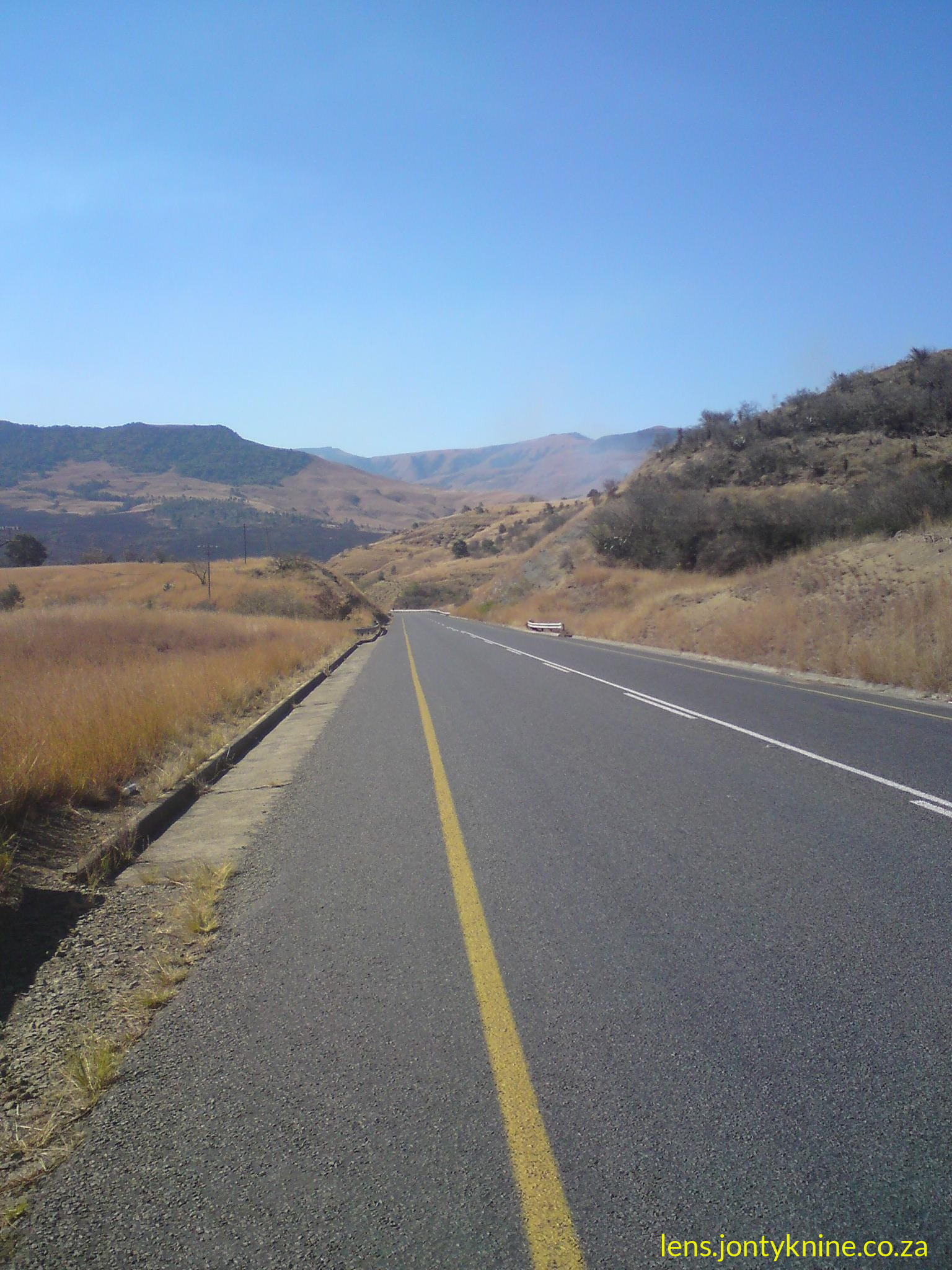
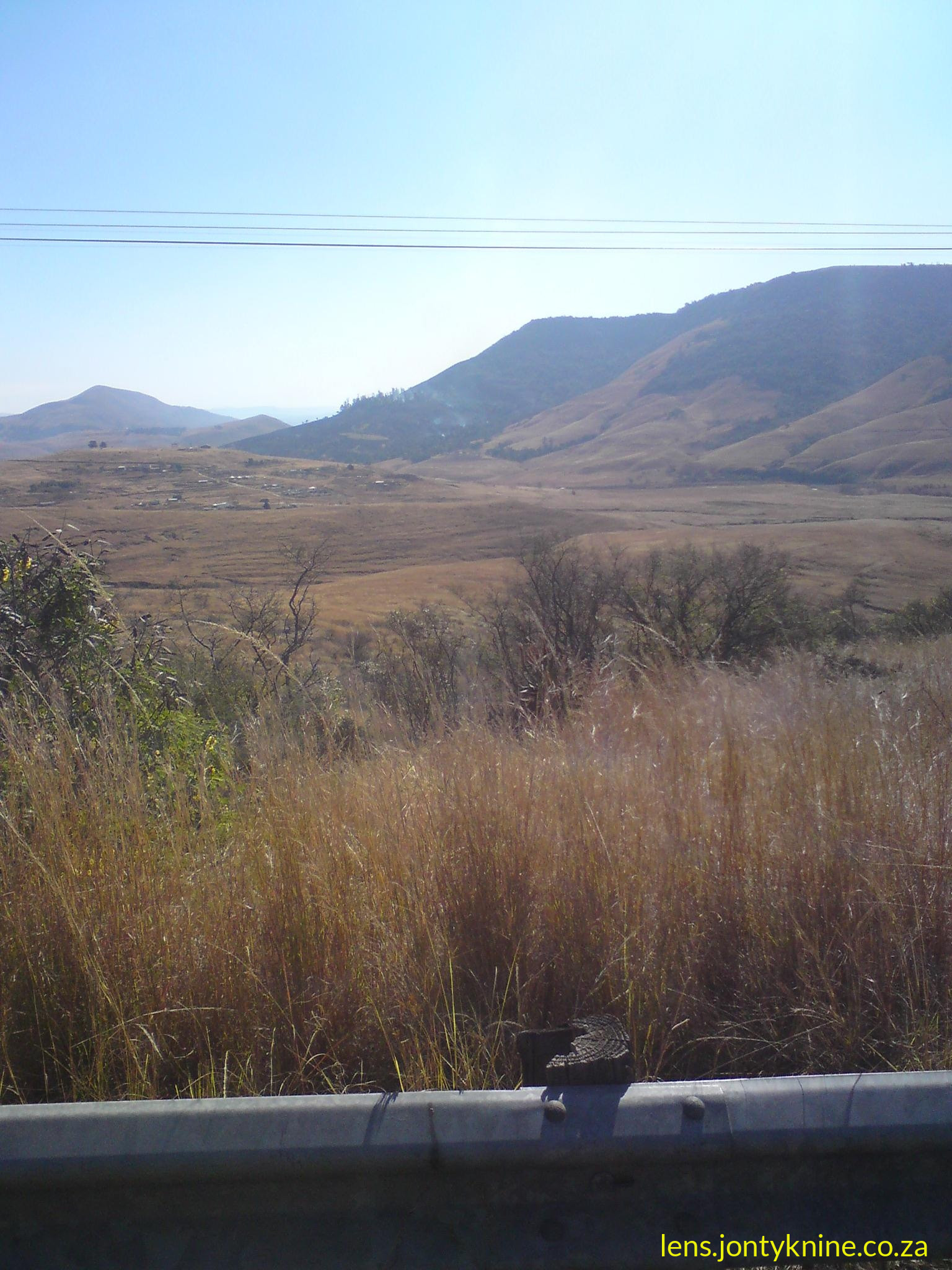

Tucked away in the rolling hills of the KwaZulu-Natal Midlands, about 90 km southwest of Pietermaritzburg, lies the small village of Bulwer. Nestled in the shadow of Amahwaqa Mountain (also called Magwaqa or “the misty/frowning one”), this unassuming spot sits on the R617 between Boston and Underberg. It is roughly 50–60 minutes northwest of Ixopo via the R56 and forms part of the Dr Nkosazana Dlamini-Zuma Local Municipality in the Harry Gwala District.
With a population of just over 1,300 (2011 census), Bulwer is the kind of place where time seems to slow down. Quiet country lanes wind past tree-filled plots and lovingly restored 19th-century houses. Crystal-clear skies, pure mountain air, and warm country hospitality define the atmosphere. Surrounded largely by traditional Zulu land and indigenous forests, it offers a genuine escape from busier tourist circuits while remaining a gateway to the southern Drakensberg.
A Glimpse into History
European settlers—mainly farmers and foresters—began arriving in the early 1860s. The village was named after Sir Henry Bulwer, Lieutenant-Governor of Natal from 1875 to 1880, and it grew into the magisterial centre for the old Polela District.
One of the most charming remnants of that era is the Old Yellowwood Church (Chapel of the Holy Trinity). Built in 1885 (some sources say 1886) entirely from hand-sawn local yellowwood timber for the modest sum of about £25, it still stands as a simple, evocative landmark. Services continue on the first Sunday of each month, and the annual Carols by Candlelight is a local highlight. The church was renovated by Mondi in 1989.
Evidence of the area’s forestry past remains visible in historical saw pits near the Marutswa Forest trails, where yellowwood was once processed for railway sleepers and other uses. The broader landscape also holds deeper cultural layers, including San (Bushman) rock paintings on the mountain slopes.
Nature, Forests and Conservation
Bulwer sits within a declared conservancy of grasslands and indigenous Eastern Mistbelt Forest. The Bulwer Forest Complex comprises several nature reserves, including Marutswa, Marwaqa, Ingelabantwana, Indhloveni and Xotsheyake. These protect important vegetation types, threatened species such as the endangered Cape parrot and black stinkwood, and habitats ranging from mistbelt forest to foothill moist grassland.
Marutswa Forest is the standout attraction for nature lovers. Just outside the village (turn left past the police station when heading toward Underberg), this mist-belt forest features a network of trails, a raised boardwalk, viewing decks and picnic spots. Giant yellowwoods that escaped 19th-century logging dominate the canopy. The forest is one of KwaZulu-Natal’s most active mist-belt birding sites. Visitors regularly see Cape parrots (sometimes in flocks of up to 100), orange ground-thrush, bush blackcap, Narina trogon, Knysna turaco and African crowned eagle, among many others. An environmental education centre and craft shop selling local basketware and pottery add to the experience. The site is a collaborative effort involving the Bulwer Biosphere, Sappi, WWF TreeRoutes, BirdLife South Africa and local communities.
Amahwaqa/Bulwer Mountain itself (around 2,000–2,085 m) forms the dramatic backdrop. It offers walks, panoramic views and forms part of the Marwaqa Nature Reserve.
Adventure in the Skies and on the Trails
Bulwer has earned a strong reputation as a free-flight destination. Both hang-gliders and paragliders (local and international) flock here year-round thanks to reliable conditions, altitude and easy top-landing options. The main launch site on the mountain is accessible by vehicle (learners may need to walk to a lower site). In the right winds (southeasterly to northeasterly), pilots can ridge-soar and, with good conditions, head toward the Drakensberg itself. Tandem flights are available for those wanting a guided experience.
On the ground, activities include hiking through forests and grasslands, birdwatching, horse riding, and exploring nearby farms and country lanes. The Boston-Bulwer Beat tourism route links Bulwer with the nearby hamlet of Boston and parts of the Dargle Valley, emphasising natural attractions rather than pure arts-and-crafts experiences. Nearby options extend to fishing, cycling, 4×4 trails and game viewing in the wider southern Drakensberg area.
Practical Information for Visitors
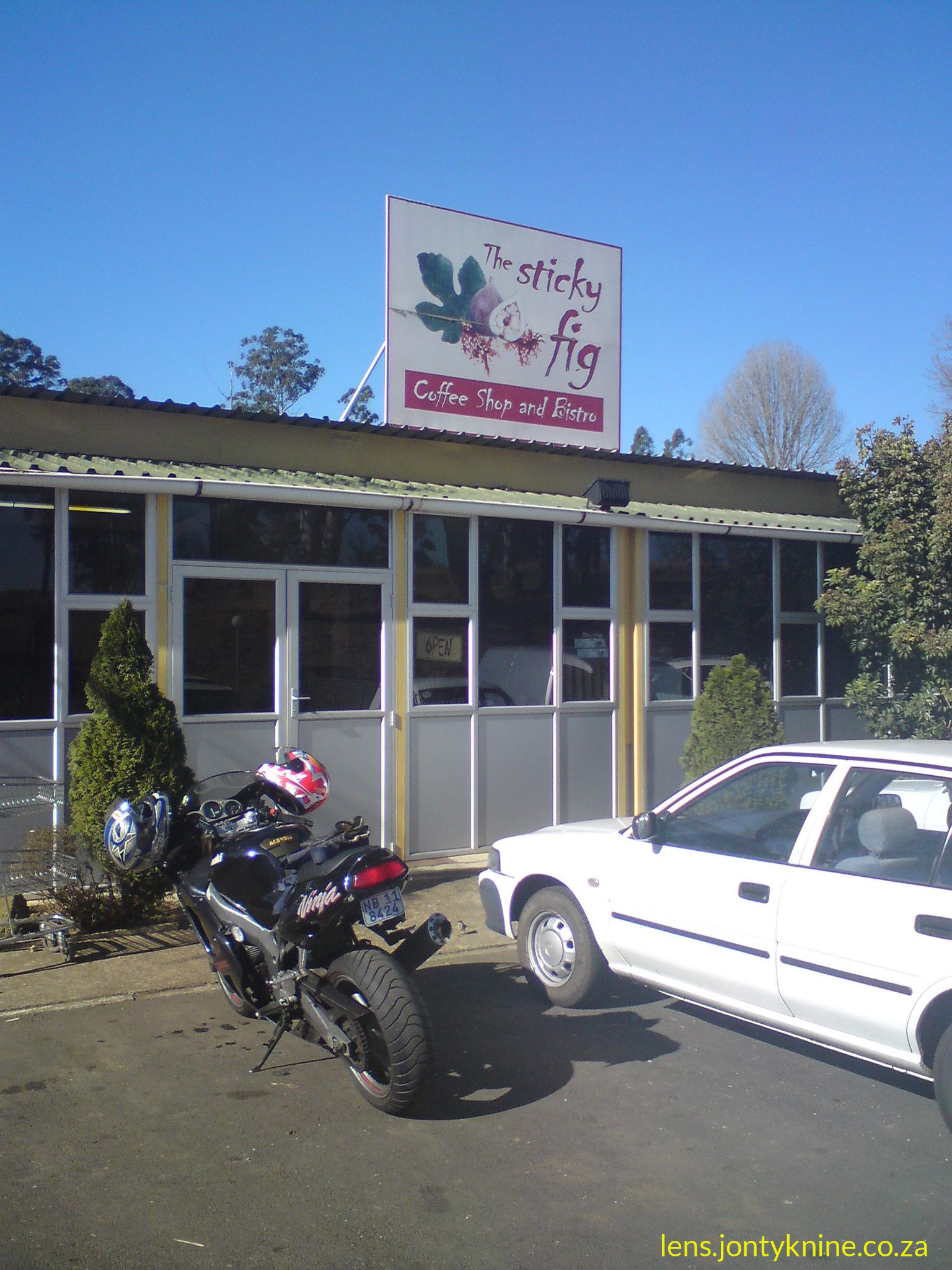
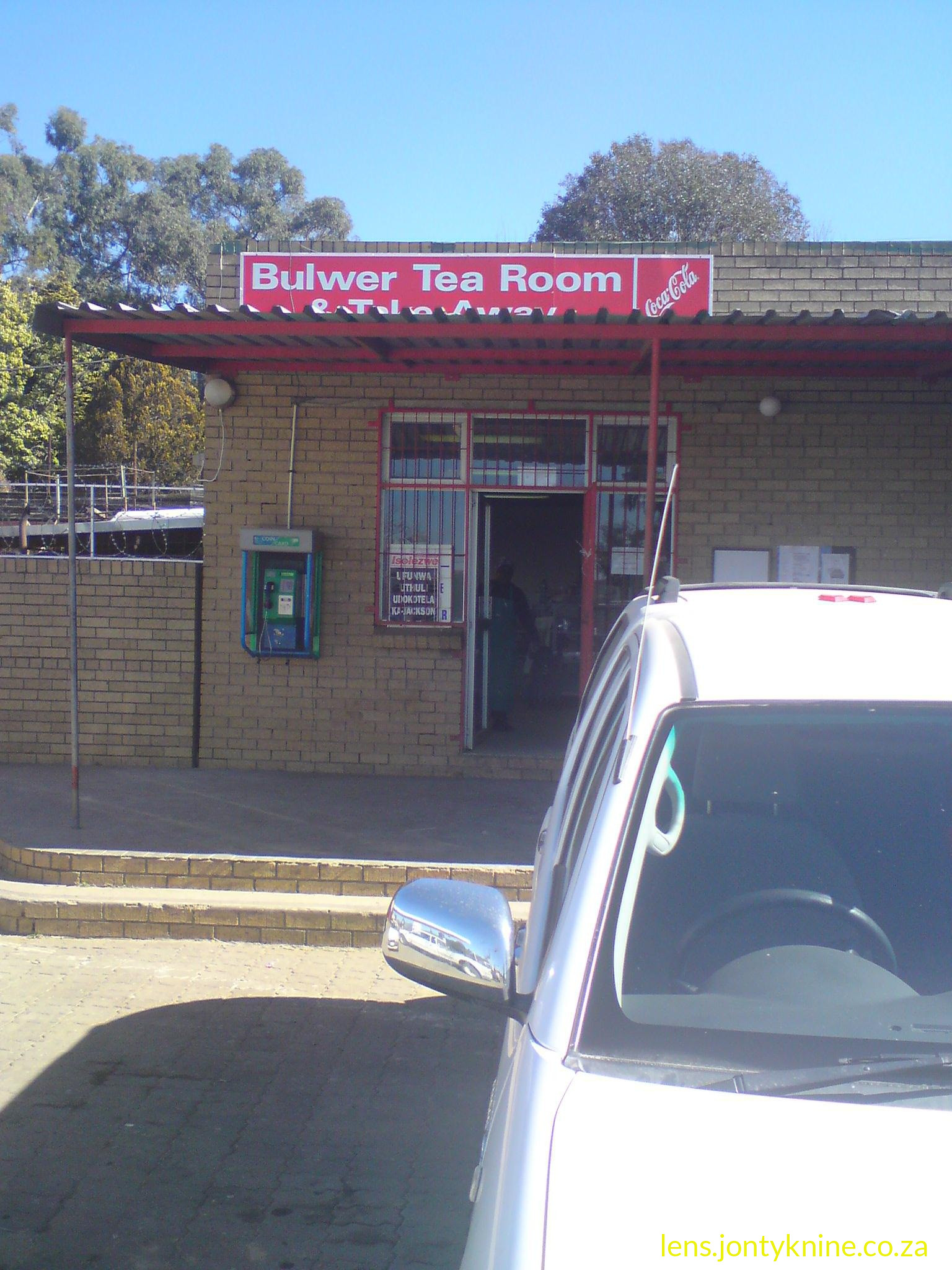
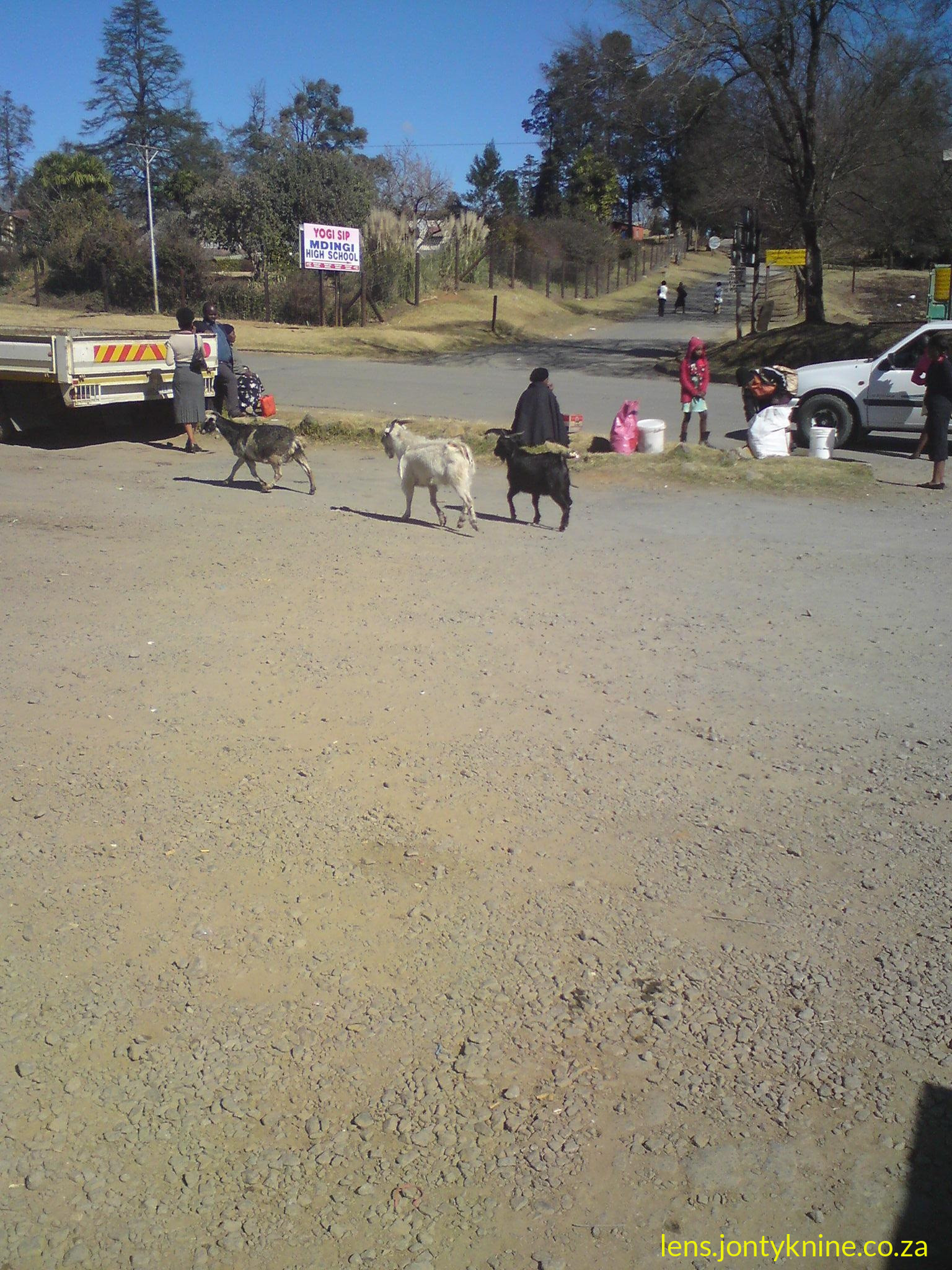
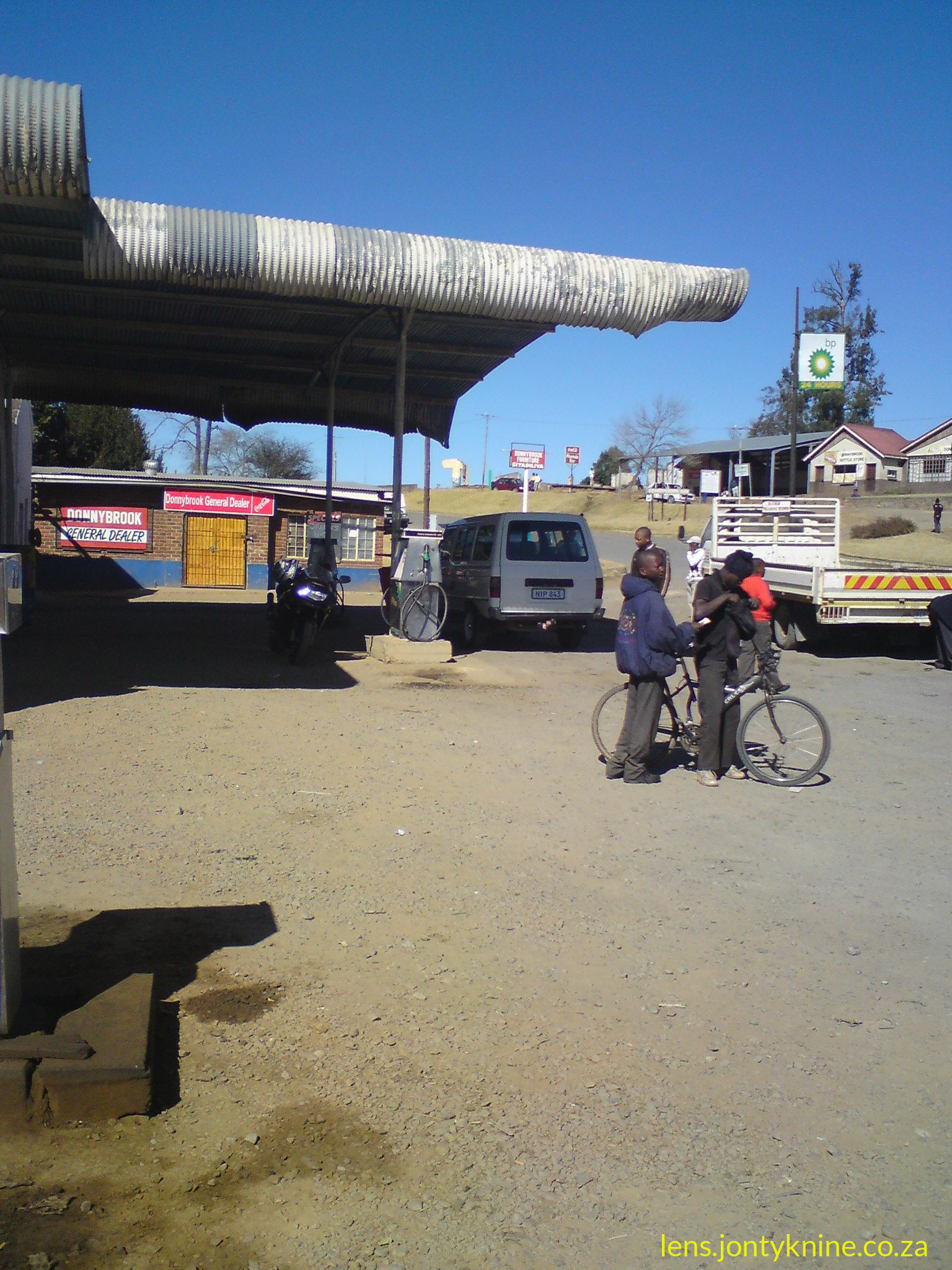
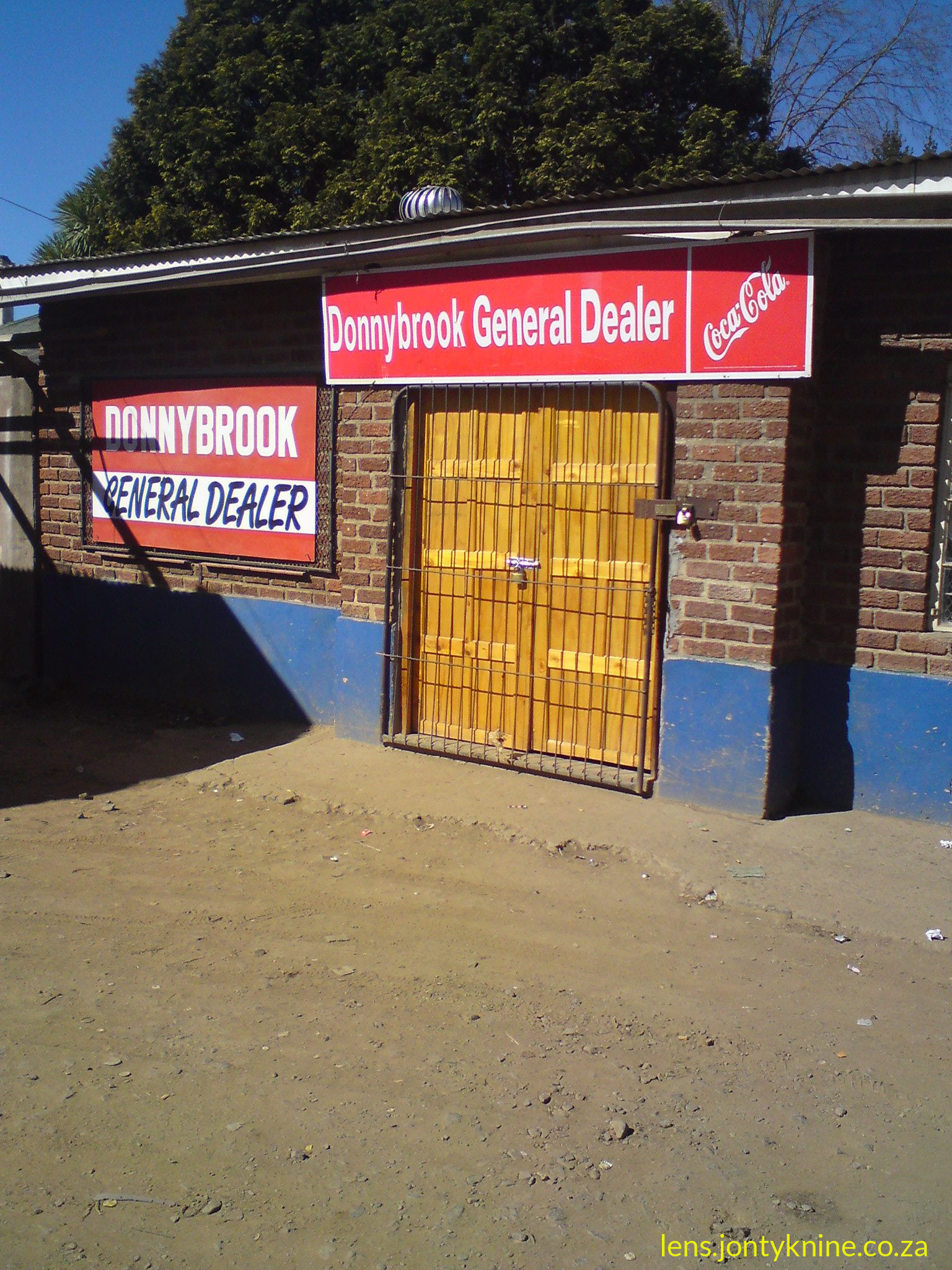
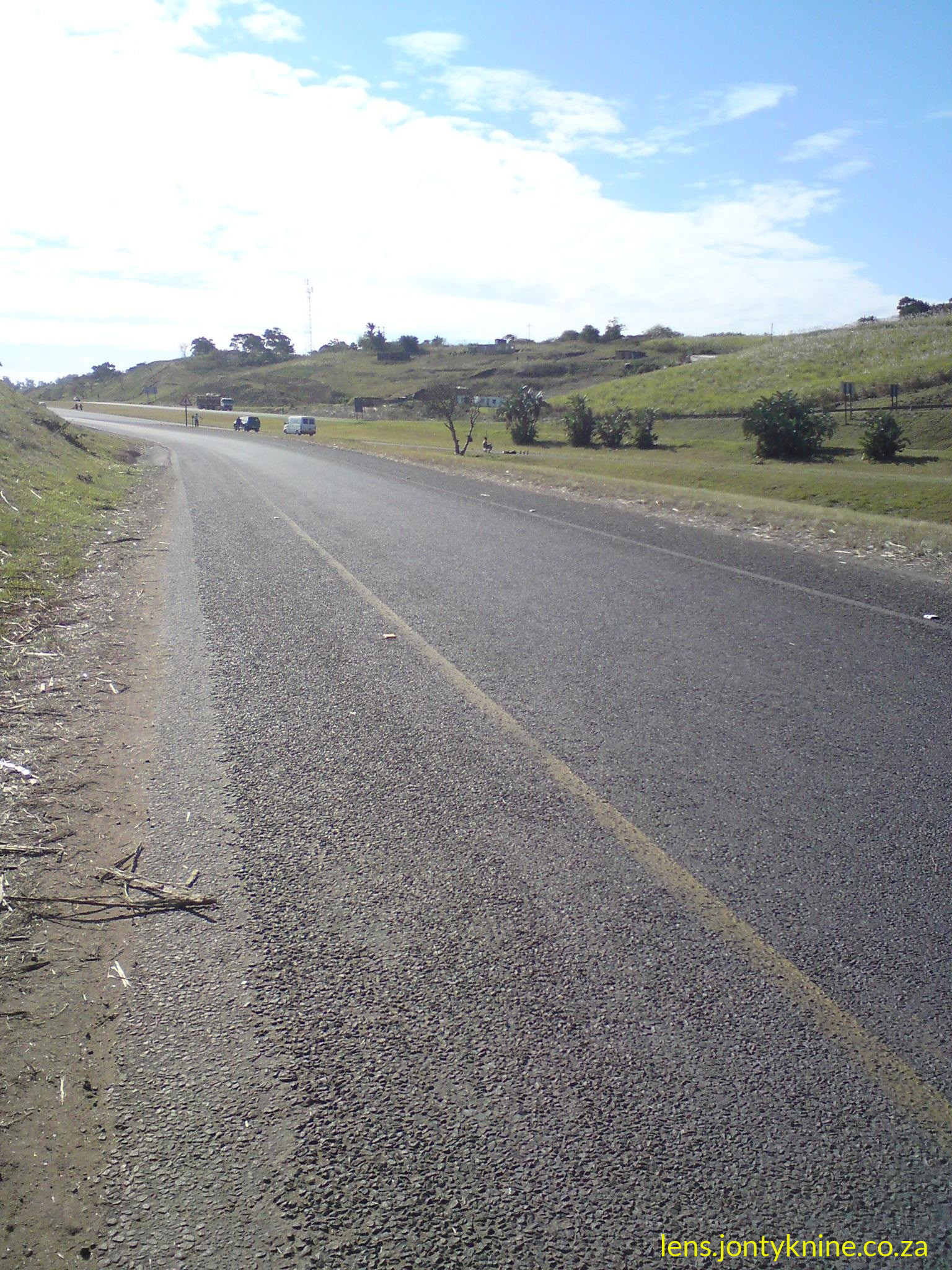
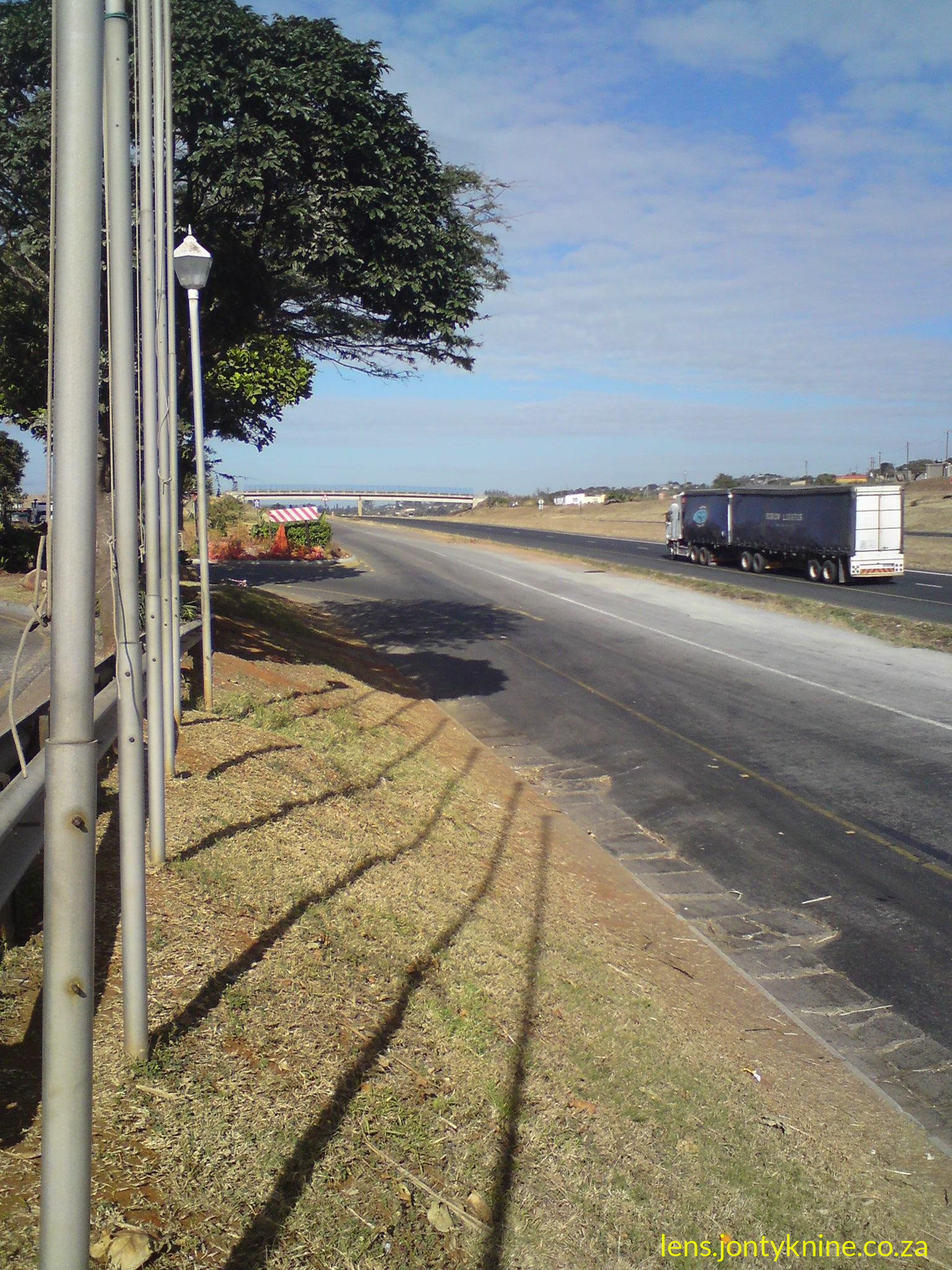
Getting there: The R617 is the main access road. The village itself is modest—a supermarket, petrol station (Engen), a few houses and basic services—so it functions well as a refuelling and supplies stop before heading deeper into the mountains.
When to visit: The area has a temperate highland climate. Summers (November–March) are warmer and wetter, with lush greenery and afternoon thunderstorms possible. Winters (May–August) bring cooler, clearer, drier days ideal for outdoor activities and birding; nights can be cold, and light snow occasionally dusts the higher ground, creating picturesque scenes. Paragliding is possible year-round depending on conditions. Pack layers regardless of season.
Accommodation and atmosphere: Expect country-style stays—restored farmhouses, rustic cottages, lodges, campsites and small hotels set amid rolling hills and forests. The emphasis is on peace, hospitality and immersion in nature rather than nightlife or large resorts. Local crafts and produce appear at spots along the Boston-Bulwer Beat.
Tips and considerations: Support local conservation efforts by using accredited bird guides where available and respecting reserve rules. The surrounding traditional Zulu lands add cultural context—approach with respect. Facilities are limited, so stock up on essentials. Mobile signal and services can be patchy in more remote spots.
Bulwer is not a destination of grand monuments or crowded attractions. Its appeal lies in the quieter pleasures: walking among ancient yellowwoods while Cape parrots call overhead, watching paragliders circle against a mist-wreathed mountain, or simply sitting on a country veranda with pure mountain air and far-reaching views. It rewards those who slow down and look closely—at the history in a hand-sawn church, the biodiversity in a mist-belt forest, and the simple beauty of the southern Drakensberg foothills.
Whether you come for the flying, the birds, a peaceful weekend, or as a base for exploring further into the uKhahlamba region, Bulwer offers an authentic slice of rural KwaZulu-Natal that feels increasingly rare.